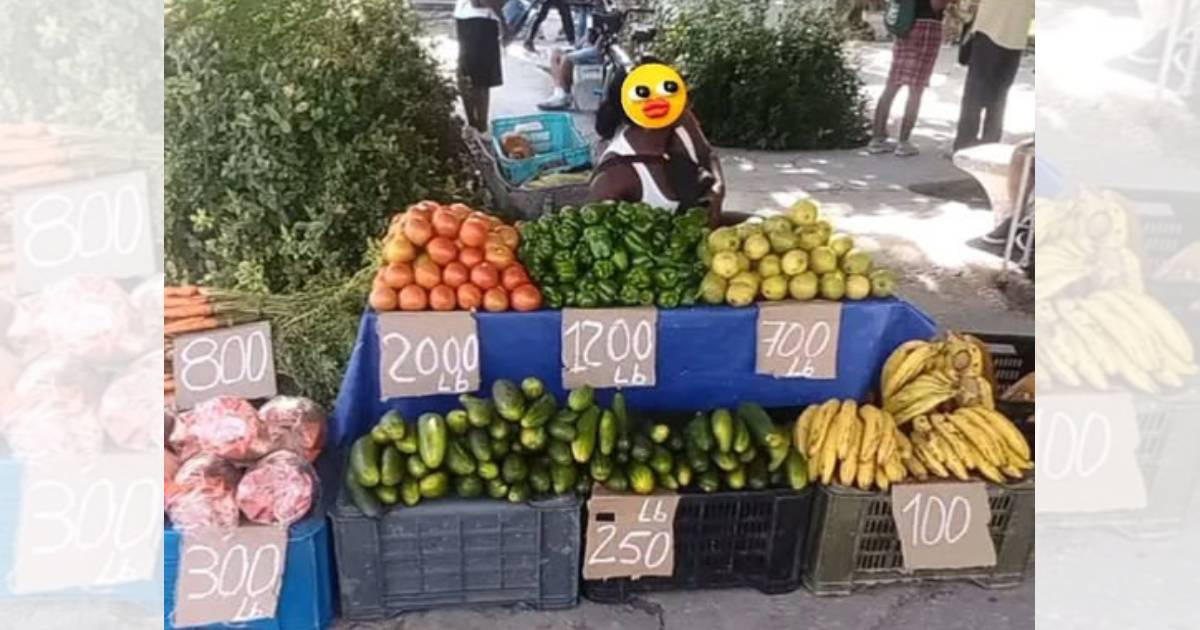
A recent image shared by the Facebook page Panorama Santiago has sparked widespread indignation across Cuba. The photo captures a street vendor selling tomatoes at a staggering 2,000 Cuban pesos per pound, with green peppers priced at 1,200 and guavas at 700. These prices have provoked an uproar among consumers from various provinces.
Though the exact time and location of the photo remain unspecified, it clearly shows plastic crates brimming with fresh produce, alongside signs listing the inflated prices.
The poster of the image criticized the exorbitant cost of tomatoes, labeling it speculative. "Even with the currency's severe devaluation, the production cost of a pound of tomatoes never reaches 1,000 pesos," they argued.
Responses from users highlighted that these sky-high prices are far from isolated incidents. A resident of Santiago de Cuba noted finding tomatoes at 1,500 pesos per pound, while someone from Havana reported similar pricing issues.
Reports from other areas, such as Cienfuegos, Bayamo, and Las Tunas, echoed these concerns, illustrating the struggle families face to include vegetables in their daily diets.
The Economic Strain on Cuban Households
The stark contrast between these prices and the average income is deeply concerning. With a monthly minimum wage of 3,210 pesos since July, purchasing a single pound of tomatoes at 2,000 pesos would consume about 62% of one’s earnings.
"Buying a pound of tomatoes and peppers swallows my entire month's salary," lamented one user. A retiree added that his 4,000-peso pension barely covers two pounds of tomatoes at these prices.
Economist Javier Pérez Capdevila estimated in June that an individual needs around 96,000 pesos monthly to meet basic needs—about 30 times the minimum wage.
Market Realities and Price Manipulations
Discussions also touched on the commercial costs involved. A user familiar with the wholesale sector explained that a sack of tomatoes sells for 37,000 pesos, a sack of cucumbers (around 95 pounds) for 12,000, and a quintal of pumpkin for 21,000. He suggested that spoilage impacts sellers’ profits.
Others criticized commercial practices, alleging weight manipulation and bribery to evade price controls. From Puerto Padre, Las Tunas, a resident described how some vendors temporarily lower prices during inspector visits, only to raise them once officials leave.
The soaring cost of food coincides with an official annual inflation rate of 28.44% reported in September. During that time, food and non-alcoholic beverages saw a 42.66% increase compared to the previous year.
The Broader Economic Context
This situation is exacerbated by the Cuban peso's depreciation against the dollar, which hovers around 935 pesos in the informal market, while the euro fetches up to 1,010 pesos.
In August, the government introduced "Mercados de barrio" with promises of offering prices 15% to 30% lower than the informal market. However, reports in November showed actual discounts ranging from only 7% to 12%, falling short of expectations.
The outlook for end-of-year celebrations remains grim. "This year, few will have yucca or salad, let alone meat, for their holiday meals," commented one user, expressing the frustration of those who find even basic Cuban staples financially out of reach.
Additionally, the persistent rise in prices and partial dollarization of the economy is compounded by dwindling agricultural production. Reports indicate Cuba imports 70% to 80% of its food, highlighting the agricultural sector's low productivity after decades of state control and minimal incentives for farmers.
According to the World Food Program, over 70% of households in Cuba have had to reduce their food quantity or quality, and around 36% of the population is experiencing food insecurity.
Understanding the Impact of Rising Food Prices in Cuba
Why are tomato prices so high in Cuba?
Tomato prices in Cuba are high due to a combination of factors including currency devaluation, high wholesale costs, spoilage losses, and speculative pricing practices.
How does inflation affect the cost of living in Cuba?
Inflation significantly impacts the cost of living by raising the prices of essential goods, thereby reducing the purchasing power of the average Cuban citizen.
What measures has the Cuban government taken to address food prices?
The Cuban government introduced "Mercados de barrio" to offer lower prices, but actual discounts have been less significant than promised.
What is the current state of food security in Cuba?
Food security in Cuba is precarious, with a significant portion of the population experiencing reduced food quality and quantity, leading to widespread food insecurity.