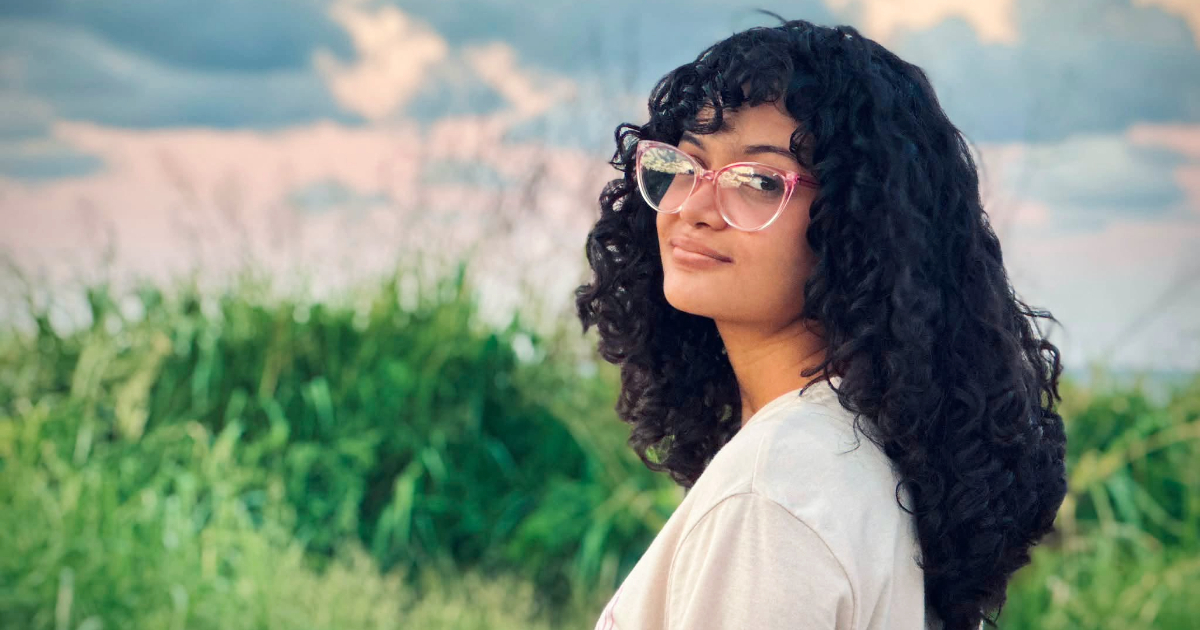
On Sunday, Cuban activist Anna Bensi shared a harrowing account of how State Security agents maintained a constant watch over her building in Alamar, Havana, throughout Saturday. This was part of a broader oppressive operation targeting journalists, activists, and independent content creators across the city.
Bensi took to social media to express her frustration and disbelief, saying, "As you know, my mom and I were under surveillance from early morning. There was watchful presence at every entrance and exit of my building until nightfall." She recounted the day's events with a blend of outrage and humor, sharing the ordeal she and her mother, Caridad Silvente, experienced.
The activist described how undercover agents, disguised as various personas, paraded in front of her residence for hours. They posed as nurses, street vendors selling cookies, doughnuts, and bleach, and even a baker. "Just to tell you, a baker passed by and didn't have a single loaf of bread," she noted, highlighting the absurdity of the situation despite the seriousness of the harassment.
Bensi revealed that the operation aimed to prevent her from attending a cultural event at the U.S. Embassy in Havana. "I missed the parade at the Cultural House of the American Embassy, but I spent the day watching people who play into the hands of State Security," she said sarcastically.
Communication Challenges and Broader Repression
The communication restrictions exacerbated her predicament: "It was tough not being able to physically support some of those summoned. And I could hardly do so virtually, as the communications, as you know, are terrible. One feels powerless in these situations."
Bensi and her mother's situation was part of a larger wave of repression that began in early November, affecting prominent figures like Yoani Sánchez—who was detained for nearly nine hours and then monitored—Camila Acosta—handcuffed and held for over eight hours—and activist Anthony Martínez Román, who was released after more than 20 hours in detention.
In Santiago de Cuba, special forces raided the home of Yoel Alejandro Pérez Serrano, an advocate for a humanitarian project serving over 400 people.
Historical Context and Calls for Unity
This recurring strategy of preventing activists from attending events at the U.S. Embassy had already been observed at least twice before in 2026: during the July 4th celebration and the "American Nights" event in September.
Bensi's case is part of a long-standing pattern of repression. On October 1, the Municipal People's Court of East Havana sentenced her and her mother to two years of restricted freedom for recording and disseminating a visit by a MININT agent delivering a summons at their home.
The U.S. Embassy condemned the sentence with a statement: "Thinking differently is not a crime," and it was labeled a "cowardice" by Deputy Secretary of State Juan Pablo Segura.
According to the Cuban Observatory for Human Rights, there were at least 387 repressive actions documented in October 2026, with a total of 3,438 for the year, including 145 surveillance and home siege operations, foreshadowing November's escalation.
Despite the adversity, Bensi concluded her message with a call for resilience and solidarity: "The more they try to harm us, the more we will unite and support each other. Their actions will only serve to expose their own wickedness."
Frequently Asked Questions about State Security in Cuba
What was the purpose of the State Security operation against Anna Bensi?
The operation aimed to prevent Anna Bensi from attending a cultural event at the U.S. Embassy in Havana.
How did the State Security agents disguise themselves?
The agents disguised themselves as various personas, including nurses, street vendors, and a baker, to maintain surveillance.
What has been the broader impact of these repressive actions?
These actions have targeted journalists, activists, and independent creators across Havana, leading to widespread condemnation and calls for solidarity.