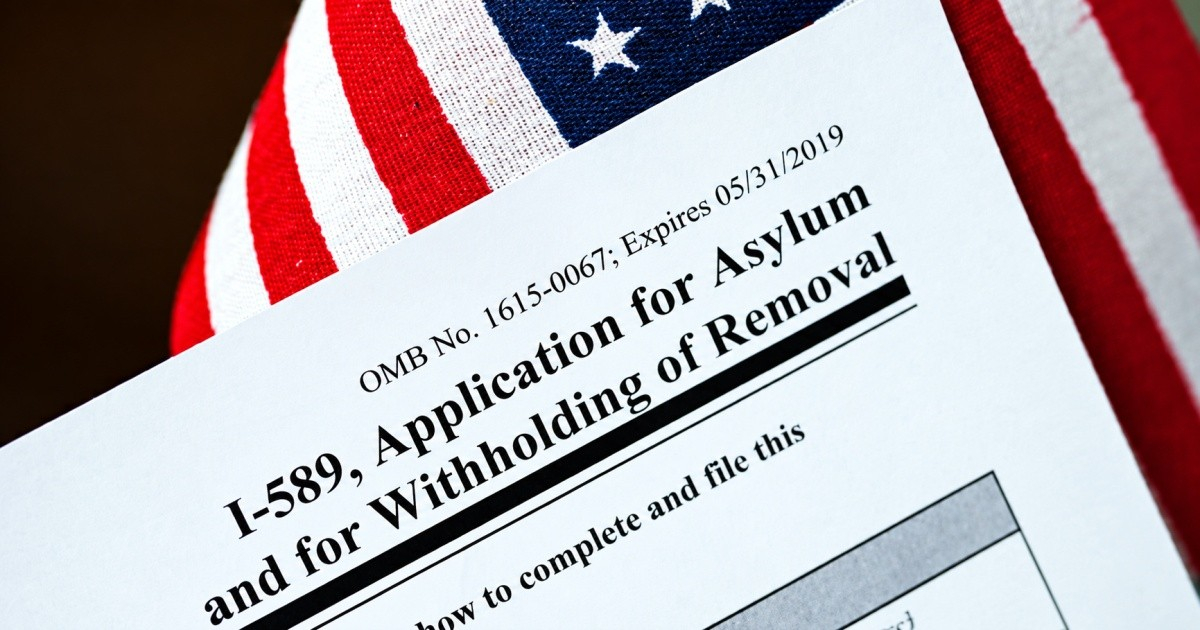
A federal court in Massachusetts has extended the suspension of a contentious rule that shortened the response time for refugees to defend their status from 30 to just 10 days. This extension, ordered on November 2, prolongs the suspension until December 4, 2026, in the case known as PANA v. Edlow, case number 1:26-cv-14817.
Initially, Judge Julia E. Kobick had issued a temporary block on October 27, preventing the rule from taking effect until November 6. The court has since extended the block without altering the original conditions, ensuring that the Department of Homeland Security (DHS), U.S. Citizenship and Immigration Services (USCIS), and its director Joseph B. Edlow are unable to enforce the 10-day deadline or revoke the status of those who failed to respond to notifications given between October 14 and 27 with less than a 30-day window.
During the suspension, the original 30-day deadline remains in effect for refugees to respond to notifications.
The Legal Timeline and Government's Response
The legal proceedings remain tight-knit. The government is required to file its opposition to any extended suspension by November 13, coinciding with the end of the public comment period on the rule, with a hearing scheduled for November 24 to address this motion.
If no further action is taken by December 4, the 10-day rule will be reinstated immediately.
Background on the Controversial Rule
Published without prior notice or public comment on October 14, 2026, in the Federal Register, the rule in question alters a longstanding regulation that remained unchanged for around 45 years. Under this rule, failing to respond to a Notice of Intent to Terminate (NOIT) within 10 days is seen as a waiver of the right to contest the allegations, resulting in the termination of refugee status by the DHS.
According to DHS estimates, this rule could impact up to 186,000 refugees admitted between fiscal years 2015 and 2025 who have not yet adjusted their status.
Implications for Cuban Refugees
While the majority of Cubans in Florida have entered the United States through programs other than the U.S. Refugee Admissions Program (USRAP)—such as humanitarian parole, asylum, I-220A form, or the Cuban Adjustment Act—the rule directly affects those who have formally entered as refugees under USRAP and retain that status. Data indicates that 258 Cubans were resettled through this program in the fiscal year 2024, with numbers dropping to 128 in 2025.
Cuban refugees with pending I-485 applications are particularly vulnerable, having already lost eligibility for SNAP benefits under the One Big Beautiful Bill Act enacted on July 4, 2025, and further losing Medicaid and CHIP coverage as of October 1, 2026. The freeze on their status adjustments prevents access to permanent residency, which would restore these benefits.
Actions for Affected Cuban Refugees
Any Cuban refugee receiving a NOIT should act swiftly: respond within the 30-day window active during the suspension, gather and retain documentation proving their refugee status, and seek immediate legal advice from an immigration lawyer.
Camille Wathne, Director of Special Projects at Jewish Family Service of Western Massachusetts, emphasized the risks of a short deadline: "Imagine someone not receiving the notice or having just two or three days to gather documents." The outcome of the November 24 hearing will be crucial in determining whether judicial protections will extend beyond December 4.
FAQs About Refugee Rule Changes and Cuban Impact
What is the current response time for refugees to defend their status?
Currently, refugees have a 30-day period to respond to notifications while the rule's suspension is in place.
How might this rule affect Cuban refugees?
Cubans who entered the U.S. as refugees under the USRAP and have pending I-485 applications face potential loss of benefits and difficulty adjusting their status if the rule takes effect.
What should Cuban refugees do if they receive a NOIT?
They should respond promptly within the 30-day period, secure all relevant documentation, and consult an immigration attorney.