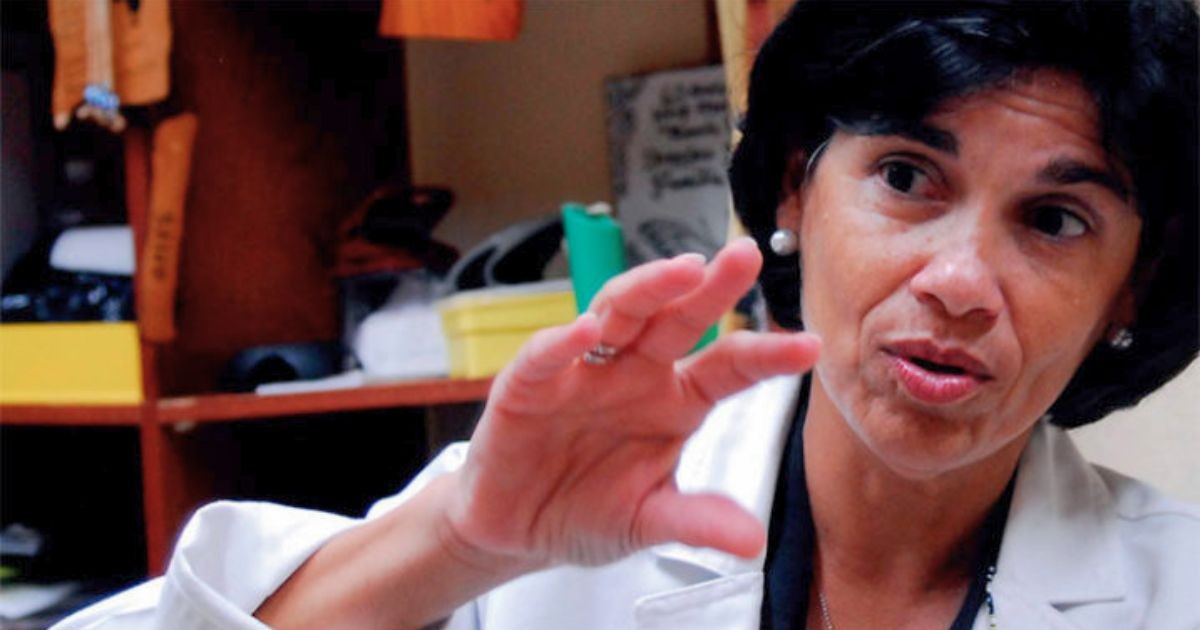
Dr. Tania Crombet Ramos, the head of Clinical Research at Cuba's Center for Molecular Immunology (CIM), has been selected for the TWAS Medal Lecture in 2027. This accolade is among the most esteemed recognitions The World Academy of Sciences (TWAS) awards to its top members.
The CIM announced this achievement on Friday via their official Facebook page, expressing, "For the pride of the Center for Molecular Immunology CIM, our beloved Dr. C. Tania Crombet Ramos has been chosen for the TWAS Medal Lecture 2027, a very special recognition for her outstanding scientific career."
Significance of the TWAS Medal Lecture
Since 1996, the TWAS Medal Lecture has been an honorary award acknowledging the remarkable accomplishments of scientists in their respective research fields. According to CIM, "this award celebrates significant achievements by a scientist," and recipients deliver a lecture on a key aspect of their work, accompanied by a commemorative medal.
Achievements in Cancer Immunotherapy
Dr. Crombet Ramos has dedicated her scientific career to cancer immunotherapy, leading clinical trials with ten groundbreaking molecules, including monoclonal antibodies and therapeutic vaccines. Her work resulted in the registration of two cancer vaccines and two monoclonal antibodies in Cuba and other nations, targeting epithelial tumors, autoimmune diseases, and COVID-19.
Among these innovations are nimotuzumab—recently registered in Russia as Nimolancim—and itolizumab, repurposed for severe SARS-CoV-2 pneumonia. Dr. Crombet has authored over 100 scientific papers and spoken at more than 200 international conferences.
A Longstanding Connection with TWAS
Dr. Crombet's relationship with TWAS began in 2007 when she received the TWAS Prize for Young Scientists in Developing Countries. In November 2021, she was elected a full member of the academy—one of 58 new fellows—with her official induction on January 1, 2022. She is also a Full Member of the Cuban Academy of Sciences.
Founded in 1983 in Trieste, Italy, TWAS is a UNESCO program unit fostering sustainable prosperity through research, education, policy, and scientific diplomacy. It comprises over 1,400 elected members from 112 countries, including 13 Nobel laureates, and has trained more than 1,100 PhDs and awarded over 2,300 postdoctoral fellowships to scientists from developing nations.
CIM's Role in Cuban Biotechnology
Established in Havana in July 1994, the CIM is part of the state-run BioCubaFarma group. It functions as a closed-loop center, covering basic research to production and commercialization of biotechnological medicines. The institution has gained international recognition amid Cuba's severe economic and energy crisis, impacting the entire population.
Due to the absence of essential medications in Cuban pharmacies, people often resort to natural and traditional medicine for relief from illnesses.
Recent Recognitions of Cuban Science
Dr. Crombet Ramos's award adds to the recent accolades for Cuban science. In October 2026, chemist María del Carmen Domínguez Horta from the Center for Genetic Engineering and Biotechnology (CIGB) won the 2026 Latin American Women in Chemistry Award from the American Chemical Society, showcasing the global scientific community's appreciation for Cuban researchers despite the nation's challenging conditions.
Frequently Asked Questions about Cuban Scientific Achievements
What is the TWAS Medal Lecture?
The TWAS Medal Lecture is an honorary award given since 1996, recognizing outstanding scientific achievements. Awardees present a lecture on a central aspect of their work and receive a commemorative medal.
What contributions has Dr. Tania Crombet Ramos made to science?
Dr. Tania Crombet Ramos has led clinical trials on innovative molecules for cancer immunotherapy, resulting in the registration of cancer vaccines and monoclonal antibodies in several countries.
How does TWAS support scientists in developing countries?
TWAS supports scientists from developing countries through research, education, policy advocacy, and scientific diplomacy, providing training for PhDs and postdoctoral fellowships.