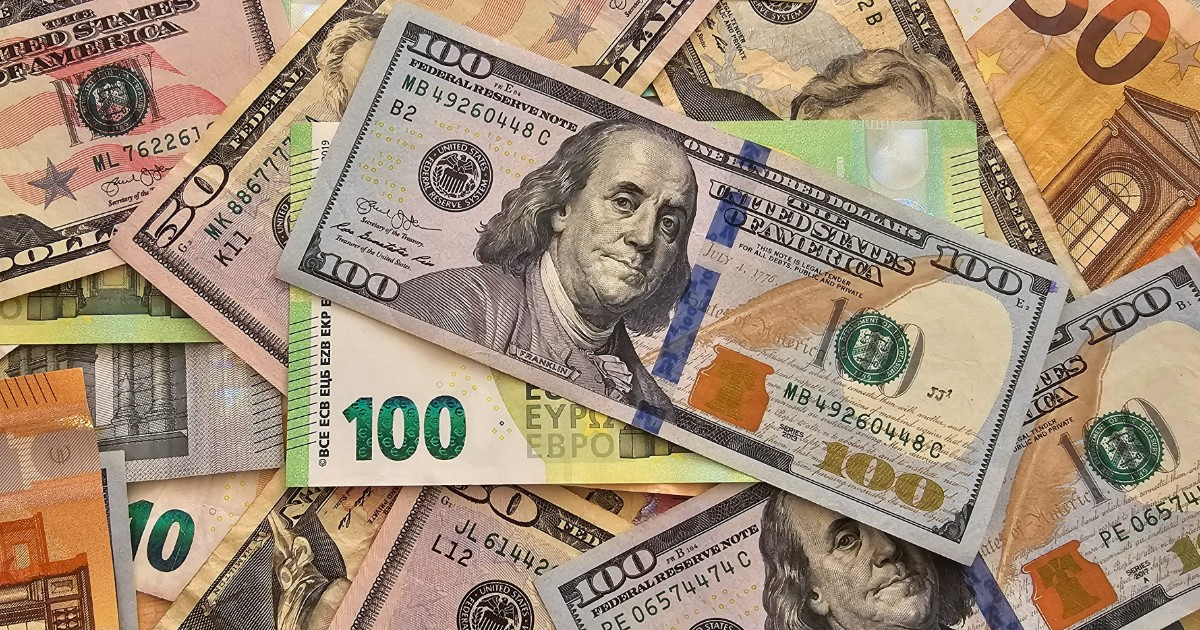
A photographer and entrepreneur from Pinar del Río has articulated a concern that millions of Cubans experience in silence: the widening gap between earnings and the cost of living on the island, as the dollar soars past 900 Cuban pesos with no sign of halting.
Mikely Arencibia Pantoja shared a thought-provoking piece on Facebook titled "The Price of Prices," where he precisely describes the impact of the currency crisis on the everyday economy of Cuban citizens.
"The dollar is climbing unchecked, surpassing 900 pesos and threatening to reach 1,000. Although the majority of Cubans don't earn in that currency, they inevitably bear the brunt of its valuation. Everything seems to move at its pace: food, essential goods, services... everything," Arencibia expressed.
The figures underpinning this sentiment are stark: on Friday, the dollar was trading at an average of 935 Cuban pesos in the informal market, while the euro hovered around 1,000. Within just a week, the greenback increased by 57.5 pesos, marking a 6.6% rise compared to 878 CUP a week earlier.
Meanwhile, the official exchange rate from the Central Bank remained at 793 CUP per dollar and 890 CUP per euro, significantly lower than the rates prevailing in the informal market.
Understanding the Economic Strain
To highlight the chasm between wages and prices, Arencibia offers a simple arithmetic exercise: "A professional earning a monthly salary of 6,000 pesos today has an income equivalent to about $6.60, using a rate of 900 pesos per dollar. It's extremely challenging to conceive how a household economy functions with such a limited purchasing power."
The disparity with reality is striking. The average state salary in Cuba was 7,354 pesos per month in August 2026, which translates to roughly nine dollars on the informal market. Independent estimates suggest the monthly cost of basic necessities per person ranges from 50,000 to 96,060 pesos, seven to 13 times that average salary.
Official annual inflation reached 28.4% in September, with food and beverages soaring by 42.66% compared to the previous year.
The Burden on Private Businesses
Arencibia also highlights the plight of small private businesses, often seen as a lifeline but not immune to the cycle: "Acquiring goods, restocking inventory, and maintaining commercial activities increasingly resemble an obstacle course. Costs rise and ultimately pass on to the consumer."
From this observation, the photographer poses a crucial question that underpins his reflection: "Where do Cubans really get the money to live? From salaries? Small businesses? Remittances? Family assistance? Informal activities, multiple jobs, or a combination of all these?" A Cubadata survey revealed that 43% of respondents reported never receiving remittances, leaving that segment of the population without this external cushion.
Arencibia's reflection is not an isolated occurrence but part of a series of writings he has published throughout 2026, which have gained significant traction on social media. In July, he described the collective loss of future prospects—"in Cuba today, living is better than tomorrow;" in August, he exposed the "business of misery" fueling speculators; and in October, he examined the paradox where those needing a product live in Cuba, but those able to pay for it reside abroad.
Broader Economic Context
The macroeconomic backdrop supports his findings. The Economic Commission for Latin America and the Caribbean (ECLAC) projects a 10.3% decline in Cuba's GDP for 2026, the largest contraction expected among Latin American and Caribbean economies. Between 1.6 and 2.75 million Cubans have reportedly left the island since 2020, according to the Council on Foreign Relations, with many of the emigrants being under 35 years old.
"The 'price of prices' is not measured solely in pesos. It is measured in quality of life, lost opportunities, and the daily wear on millions of individuals," Arencibia concludes, leaving open the question that no regime official has answered: "How long can a domestic economy sustain itself when the cost of living rises much faster than the ability to earn a living?"
FAQs about Cuba's Economic Challenges
What is the current exchange rate for the dollar in Cuba's informal market?
As of the latest data, the dollar is trading at approximately 935 Cuban pesos in the informal market.
How does the official exchange rate compare with the informal market?
The official exchange rate is significantly lower, with the Central Bank setting it at 793 CUP per dollar, contrasting the informal market's higher rates.
How are Cuban households coping with the economic challenges?
Cuban households are struggling with limited purchasing power and rising costs, often relying on various sources like salaries, remittances, and informal jobs to make ends meet.