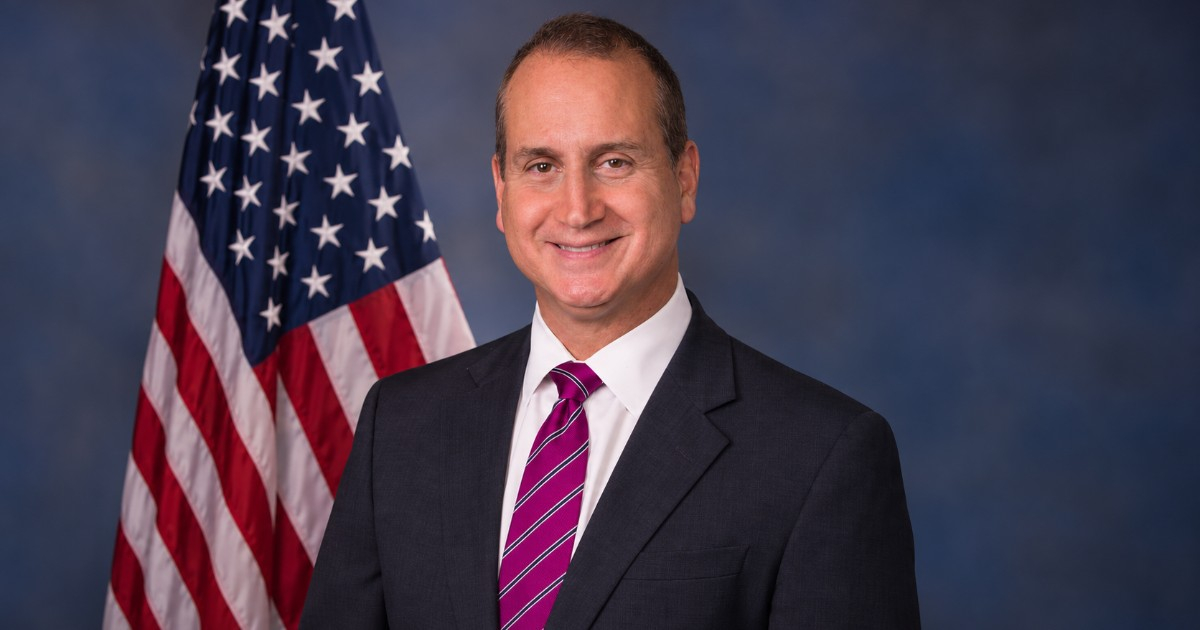
Republican congressman and Cuban-American, Mario Diaz-Balart, is poised to secure his seat in the U.S. House of Representatives for Florida's 26th District. This comes after an unexpectedly tight race against Democrat Nicole Locklin. According to Florida's preliminary official results, Diaz-Balart garnered 114,547 votes (49.87%), while Locklin received 112,775 votes (49.10%), giving Diaz-Balart a slim margin of just 1,772 votes.
Independent candidate Deborah Ann Meidinger Hosey captured an additional 2,348 votes (1.02%). Diaz-Balart's lead stands at approximately 0.77 percentage points, pending official certification. Florida law mandates an automatic machine recount if the difference between candidates is 0.5% or less of the total vote count; however, these provisional numbers currently exceed that threshold.
Impact of the New Electoral Map
The newly approved redistricting for the 26th District this year removed Collier County and added areas from southwestern Broward, which have more Democratic voters. This redistricting narrowed what was once a seemingly assured victory. The district retains parts of Miami-Dade, including Hialeah, Doral, and Miami Lakes, where Diaz-Balart has built significant electoral support.
The geographic contrast played a pivotal role: Locklin led Diaz-Balart by about 22 points in the Broward section, while Diaz-Balart secured a similar lead in Miami-Dade, according to the Miami Herald. In the 2024 election, Diaz-Balart had won by nearly 42 points under different district boundaries.
A Tough Campaign for a Seasoned Politician
Locklin, a 38-year-old attorney making her first congressional run, managed to challenge a seasoned congressman with over 20 years in Washington. She did so with significantly fewer resources, raising around $600,000 by mid-October compared to the Republican campaign's $2.76 million, as reported by election records.
Support from Trump and Immigration Controversies
Diaz-Balart, who has held a federal seat since January 2003, is a prominent Republican figure in Florida. In the days leading up to the election, President Donald Trump publicly endorsed him, describing Diaz-Balart as a "proven leader." The congressman has supported the U.S.'s maximum pressure policy against the Cuban regime.
However, immigration policy created a rift with the White House. During the campaign, Diaz-Balart criticized some immigration raids as "overblown" and advocated for individual assessments of immigrants with ongoing legal processes. While he supported Trump's border security measures, he also called for relief for certain groups of Cubans, Venezuelans, and Nicaraguans.
Locklin's campaign focused on the cost of living and housing issues in South Florida, while also proposing to abolish ICE and expand legal immigration pathways. The stark contrast in Broward and Miami-Dade results highlights the importance of electoral geography but doesn't solely attribute the narrow margin to a single campaign issue or voter group.
A Close Election Amid Democratic Gains
The outcome in the 26th District follows a night of significant Democratic gains in Congress. While the Republican Party held its ground in several Florida races, the narrow margins in the southern part of the state contrast with more substantial victories in previous elections.
In the neighboring 27th District, Maria Elvira Salazar emerged victorious against Democrat Eliott Rodriguez in another tight race, while Carlos Gimenez secured a projected win in the 28th District. All three Cuban-American congressmen were vying to maintain their representation of Miami and South Florida in Washington.
Understanding the 26th District Election Results
Why was the election in the 26th District so close?
The election was close due to the recent redistricting, which added more Democratic-leaning areas from Broward, narrowing the gap in what was previously a more secure district for Republicans.
How did geographic differences affect the election outcome?
Geographic differences were significant, with Locklin leading in Broward and Diaz-Balart in Miami-Dade. This division highlights the impact of the newly drawn district lines and voter demographics.
What role did fundraising play in the race?
Fundraising played a considerable role, as Diaz-Balart's campaign raised significantly more money than Locklin's, providing him with more resources for outreach and advertising.