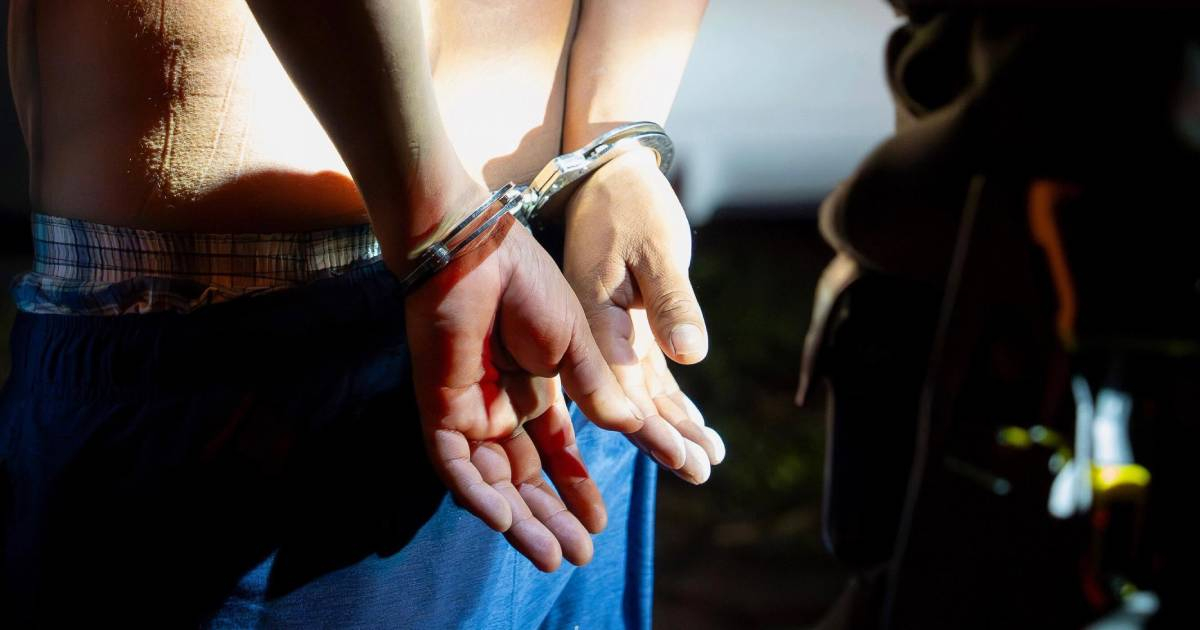
Immigration raids in Miami are not only resulting in detentions but also leaving jobs unfilled and workers apprehensive about returning to work. A 27-year-old Cuban-American shared her experience while voting this Tuesday in Miami-Dade, amidst an election day heavily influenced by discussions regarding President Donald Trump's immigration policies.
Stephanie Hernández, a store manager, revealed the direct impact these immigration operations have had at her workplace, where some employees were detained, and others stopped coming due to fear.
"We've lost many good and hardworking people because of all this," Hernández expressed to The Wall Street Journal on November 3rd.
She questioned, "Who else is going to do that work?"
Identified as a Democratic voter, Hernández made these comments after visiting a polling station in North Bay Village, Miami-Dade County, where she stated that she voted for Democratic candidates across the board.
Among the affected workers are cleaning staff, whose absence has complicated the store's regular operations, she explained.
Economic Impact of Immigration Raids on Miami Businesses
In October, the South Florida Hispanic Chamber of Commerce warned that sales for some businesses had dropped by 40% to 45% in areas like Doral, Miami, and Homestead.
The organization attributed part of these losses to immigrants' fear of leaving their homes, visiting businesses, or going to work. These figures reflect business sector estimates, not official statistics for the entire county economy.
Small business owners in Miami-Dade have similarly reported a significant decline in customers and challenges in retaining staff. Some merchants mentioned losing employees with pending asylum applications who preferred to temporarily leave their jobs rather than risk detention.
The Trump administration, meanwhile, stands by these operations as part of its strategy to enforce immigration laws and deport individuals without legal authorization to stay in the United States.
Immigration at the Forefront of Florida's Congressional Race
Hernández's account comes at a critical time for Florida's 27th Congressional District, where Republican incumbent María Elvira Salazar is seeking reelection against Democratic journalist Eliott Rodríguez.
Both candidates, of Cuban descent, are vying for votes in a district with a substantial Hispanic population, where immigration policies are a major campaign issue.
In September, Salazar publicly criticized Trump's deportation efforts, arguing that some measures had gone too far. She warned that many Hispanics who helped return the Republican to the White House felt betrayed by the hardened immigration stance.
However, Rodríguez challenged this view, pointing out that Salazar supported legislation in Congress that allocated more resources to immigration enforcement agencies.
The controversy even extended to campaign calls targeting district voters. In late October, a PolitiFact review scrutinized allegations against Salazar regarding her support for additional ICE funding and other immigration measures.
Cuban-American Voters and Deportation Policies
Miami-Dade is home to one of the largest immigrant populations in the United States. According to The Wall Street Journal, about 55% of its residents were born outside the country.
Although the county largely supported Trump in the 2024 presidential election, immigration operations have sparked debate within the Hispanic community, including among Cuban-Americans.
Opposition to certain deportations does not necessarily indicate a shift in political affiliation. The FIU Cuba Poll 2026 found that 76% of Cuban-Americans surveyed in Miami-Dade disapproved of the increased deportation of Cubans without legal status and criminal records, yet 68% expressed their intention to vote for Republican candidates.
Questions About the Impact of Immigration Raids in Miami
How have ICE raids affected businesses in Miami?
ICE raids have led to a loss of employees, decreased sales, and increased fear among immigrant workers, significantly impacting businesses in Miami.
What is the stance of the Trump administration on immigration raids?
The Trump administration supports these operations as part of its efforts to enforce immigration laws and deport individuals without legal authorization in the U.S.
How does the Cuban-American community view recent deportations?
While many Cuban-Americans disapprove of increased deportations, particularly of those without criminal records, a significant portion still intends to support Republican candidates.