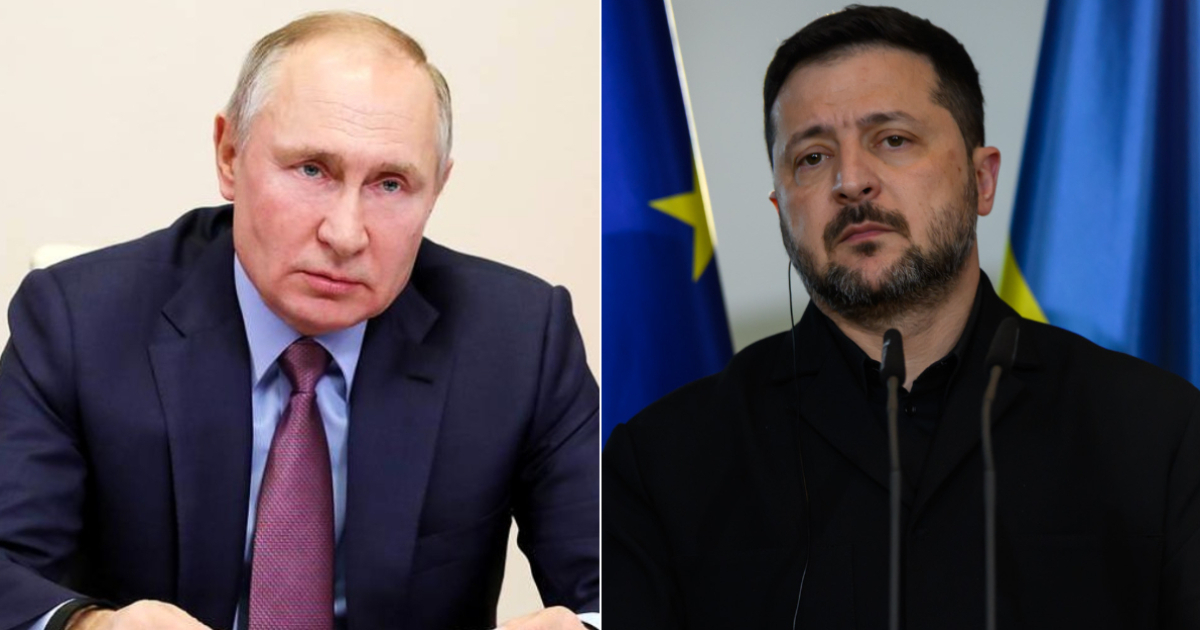
Representatives from Russia and Ukraine are scheduled for a face-to-face meeting on November 10 and 11 in Abu Dhabi, United Arab Emirates. This new round of trilateral discussions will be mediated by the United States, as confirmed by both the Kremlin and Ukrainian President Volodymyr Zelensky from Berlin on Tuesday.
According to a report by El País, this will mark the third instance this year where both nations convene in the UAE. Earlier rounds took place in January and February of 2026 without reaching any substantial agreements.
Background of the Talks
Kremlin spokesperson Dmitry Peskov was the first to announce the upcoming meeting. This follows a recent series of Russian airstrikes on energy infrastructures in the Vinnitsa, Dnipropetrovsk, and Kharkiv regions, which resulted in power outages for nearly 200,000 individuals and dozens of injuries, including at least 73 casualties from an attack on a hospital complex in Kharkiv.
The White House's special envoy, Steve Witkoff, had hinted at the meeting on social media, stating that discussions would focus on post-war security agreements, de-escalation, humanitarian measures, and ending the conflict.
U.S. Involvement and Strategic Interests
A senior U.S. official referenced by Reuters mentioned that Witkoff and Jared Kushner, son-in-law of former President Donald Trump, will represent Washington in Abu Dhabi. The Kremlin confirmed that Vladimir Medinsky, an advisor to Putin, will lead the Russian delegation.
Putin agreed to resume talks after a meeting with Witkoff in Saint Petersburg two weeks ago, which the Trump administration describes as the latest U.S. effort to halt the most devastating conflict in Europe since World War II.
During this meeting, discussions also covered the sale of Russian diesel to the United States, a deal that has provided financial relief to Moscow amidst Western sanctions.
Challenges and European Concerns
While previous negotiations in Abu Dhabi kept diplomatic channels open and led to the exchange of 314 prisoners of war in February, they encountered significant hurdles. Russia demands that Ukraine recognize the sovereignty of territories occupied during the invasion and withdraw its forces from parts of the Donbas not under Moscow's control—conditions that Kyiv refuses.
Stalled since mid-February, talks have been overshadowed by conflicts involving Israel, the United States, and Iran, along with the subsequent closure of the Strait of Hormuz, drawing international attention elsewhere. On the ground, Russia's offensive has seen little progress since January 2026, with approximately 80% of the Donetsk province under Russian control.
In Berlin, Zelensky, alongside German Chancellor Friedrich Merz, stressed the need for European involvement in negotiations. "Trilateral talks can bring long-term solutions," stated the Ukrainian president, although both leaders emphasized, "this war will not end without Europe."
Merz was particularly firm in opposing any decision-making about Ukraine's future without its leadership. "It is utterly unacceptable for third parties to discuss Ukraine's future without its president. Where Ukraine is represented, so is Europe." His comments also addressed Trump's attempt to organize a trilateral summit with Putin and Chinese leader Xi Jinping.
European Support and Future Actions
Germany, a key European ally in supporting Kyiv, approved a new aid package worth 200 million euros on Tuesday, aimed at addressing the needs of the Ukrainian population during winter. The package includes new deliveries of Iris-T and Patriot anti-air systems.
Zelensky is set to continue his European tour this Wednesday in Brussels, where a conference with representatives from the European Union, the United States, and NATO will be held. Meanwhile, Merz announced a Volunteer Coalition summit on November 19, focusing on military aid for 2027 and security assurances for Ukraine.
Insight into the Russia-Ukraine Negotiations
What are the goals of the upcoming talks in Abu Dhabi?
The discussions aim to address post-war security agreements, de-escalation of the conflict, humanitarian measures, and ultimately ending the war.
Who will represent the United States in the negotiations?
Steve Witkoff, the White House's special envoy, and Jared Kushner will represent the United States at the talks in Abu Dhabi.
What has been the impact of previous talks between Russia and Ukraine?
Previous discussions have maintained diplomatic channels and resulted in a prisoner exchange but have faced challenges due to Russia's demands, which Ukraine has not accepted.
Why is European involvement considered crucial in these talks?
European leaders, including Zelensky and Merz, believe that Europe's participation is essential to achieving long-term solutions and ensuring Ukraine's sovereignty and security are respected.