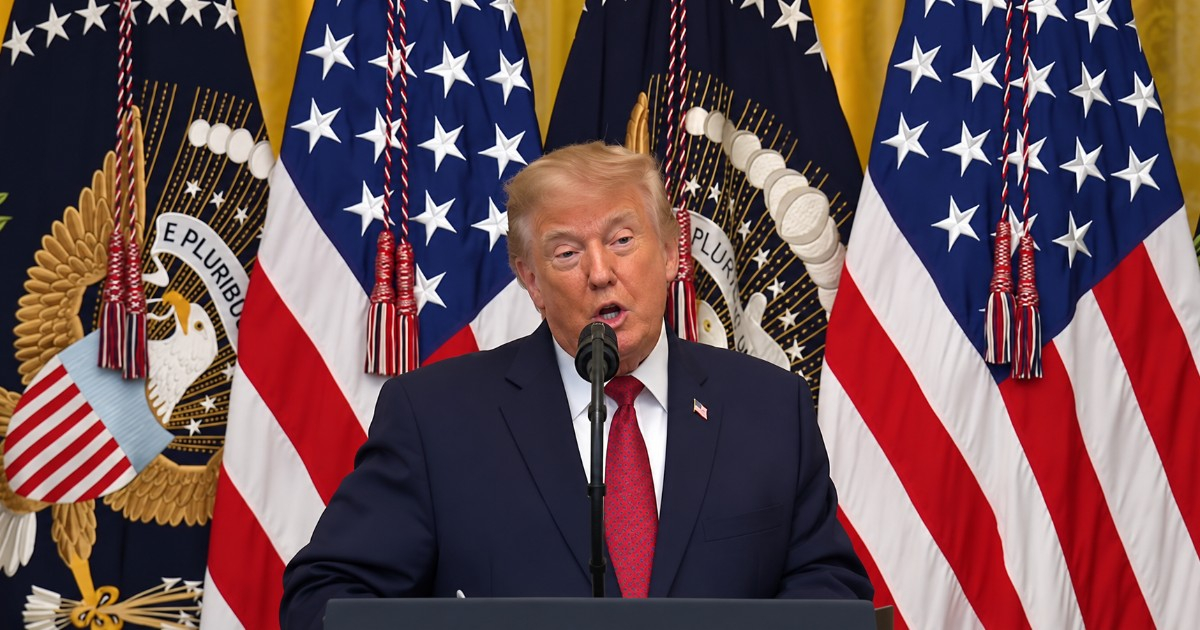
On the eve of the midterm elections, Donald Trump boldly declared that the United States holds "total control" over Venezuela, asserting that together their oil reserves surpass 50% of the global total. This claim starkly contradicts official data from OPEC.
In interviews with Fox News, as reported by EFE, Trump stated, "We have full control of Venezuela. We've placed our people there. We have a tremendous amount of oil," the former president emphasized.
"When you combine the oil from the United States and Venezuela, we possess more than half of the world's oil. Think of it this way: we now have more than Saudi Arabia, Russia, and the next largest country combined. No one thought that was possible," Trump expressed.
The 2026 OPEC report indicates that the combined proven oil reserves of the United States and Venezuela actually account for about 22% of the global total, which is far lower than the figure Trump mentioned.
Challenges with Venezuelan Oil Extraction
Experts interviewed by Associated Press in October highlighted that Venezuelan crude oil, largely extra-heavy and concentrated in the Orinoco Belt, presents significant extraction challenges. They noted that the realistically recoverable volume might only be between 20% and 40% of the official figures.
Military Operation and Its Aftermath
During a rally on November 1 in Dubuque, Iowa, Trump also spoke about the military operation on January 3, 2026, which resulted in the capture of Nicolás Maduro. He described it as a "one-day war" where "nobody died," despite acknowledged casualties by Cuban and Venezuelan authorities.
Venezuelan verification organizations, such as Monitor de Víctimas and La Hora de Venezuela, confirmed the deaths of 77 individuals during this operation: 42 Venezuelans, 32 Cubans, and three civilians.
Following Maduro's capture, interim President Delcy Rodríguez took charge of the Venezuelan government. In August 2026, Trump announced "the largest oil deal in history," tied to North American Blue Energy Partners (NABEP).
Economic Tensions Amid Rising Gas Prices
According to the White House, the agreement includes concessions on 17 Venezuelan oil fields with around 65 billion barrels of proven reserves, granting the U.S. Department of War's Office of Strategic Capital a 35% stake in NABEP's parent company.
Trump's recent statements come amid a period of significant economic strain in the U.S. The average price of regular gasoline has jumped from $2.98 to $4.25 per gallon—a 42.4% increase—linked to the armed conflict with Iran, based on data from Brown University and the American Automobile Association.
EFE noted that a Pew Research Center survey published in October found that 74% of Americans are deeply concerned about gas and energy prices, up from 43% in January.
Additionally, an AP-NORC poll from the same month revealed that 79% of voters disapprove of Trump's handling of the cost of living, with 84% considering it a critical issue for their vote in the upcoming elections.
The elections this Tuesday will renew all 435 seats in the House of Representatives and shape a third of the Senate's composition, effectively serving as a referendum on the first half of Trump's second term.
Key Questions on U.S. and Venezuela's Oil Control
What percentage of the world's oil reserves do the U.S. and Venezuela actually control?
According to the 2026 OPEC report, the combined oil reserves of the U.S. and Venezuela represent about 22% of the world's total.
What challenges are associated with Venezuelan oil extraction?
Venezuelan oil is primarily extra-heavy and located in the Orinoco Belt, making extraction difficult. Experts suggest only 20% to 40% of the oil is realistically recoverable.
How has Trump's oil agreement affected U.S. economic conditions?
The agreement has come during a period of economic tension, with gasoline prices rising significantly due to the conflict with Iran, impacting the cost of living in the U.S.
What was the outcome of the military operation involving Nicolás Maduro?
The operation resulted in Maduro's capture and led to Delcy Rodríguez becoming interim President of Venezuela, despite acknowledged casualties during the event.