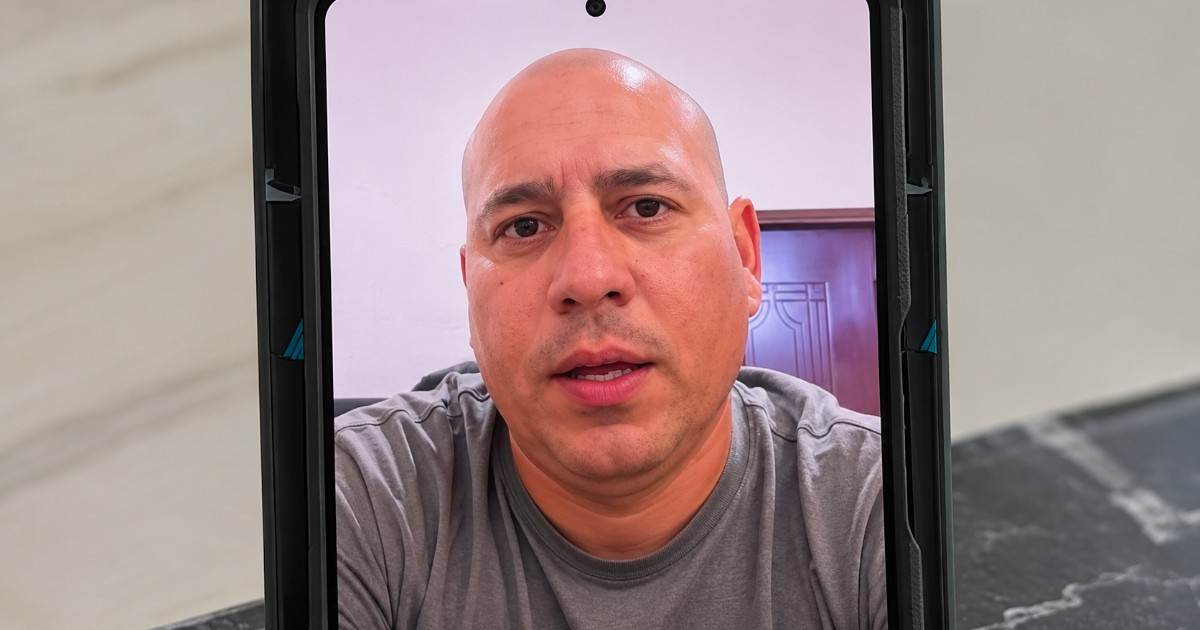
Eric González Peña, a 44-year-old Cuban residing in Texas, has highlighted the dire conditions he faces after being deported to the Central African Republic on October 21. Despite having an approved family petition and being married to an American citizen, his situation remains precarious.
González was among roughly 90 migrants, including 69 Cubans—64 men and five women—on a flight from Alexandria, Louisiana. According to his account, none of the deportees knew their destination until they were airborne, with the journey lasting between 50 and 60 hours.
Upon leaving detention centers, González and other migrants were handcuffed at both hands and feet; some even restrained further with straightjackets and gags. This paints a vivid picture of the harsh realities within the U.S. immigration system. For more insights on deportations, visas, and immigrant rights, visit our U.S. Immigration section.
Struggles Abroad
In an interview with Telemundo 51, González described his living conditions, sharing a space with around 32 people, mostly Hispanic migrants, all lacking official documentation, legal status, work authorization, and access to necessary medications.
Isabel Estua, his American-born wife, expressed her distress over not knowing her husband’s whereabouts for nearly "60 hours" after his deportation. The couple shares a three-year-old son.
Legal Setbacks and Family Hardship
Estua also reported that her husband's name was missing from the ICE public locator even during his detention period. González had initially entered the U.S. under the "Remain in Mexico" program, awaiting his court date in Mexico. However, after crossing the U.S. border and missing his immigration court hearing, a deportation order was issued against him.
Despite his wife securing approval for a family petition (I-130), the deportation proceeded. Immigration attorney Rosaly Chaviano, who is not legally representing González, explained that such petitions do not automatically prevent deportation when an existing order is in place, though they might be part of a broader legal strategy.
Estua claims a judge had set November 1 as a protection date against deportation, yet González was removed prior to this safeguard taking effect. He also had a pending habeas corpus petition, and his family asserts he has no criminal record.
Deportation Amidst Broader Policies
ICE detained González in March 2026 at his Texas oil company workplace, transferring him to detention centers in El Paso and Louisiana before flying him to Bangui. This case falls under a wider policy from the Trump administration to deport migrants to third countries in Africa.
Other Cubans previously deported to Bangui have reported malaria symptoms and inadequate medical care. One compatriot managed to leave for Bolivia with U.N. assistance, although such options aren't available to everyone.
Understanding U.S. Immigration Challenges
Why was Eric González deported despite being married to a U.S. citizen?
Eric González was deported because he had a standing deportation order after missing an immigration court hearing, despite having an approved family petition through his U.S. citizen wife.
What is the "Remain in Mexico" program?
The "Remain in Mexico" program requires asylum seekers to wait in Mexico while their U.S. immigration claims are processed. Eric González entered the U.S. under this program but did not attend his immigration hearing.
How can a family petition impact deportation proceedings?
A family petition, like the I-130, can support legal residency applications but does not automatically halt deportation if a deportation order is active. It can be part of a legal strategy to resolve immigration status.