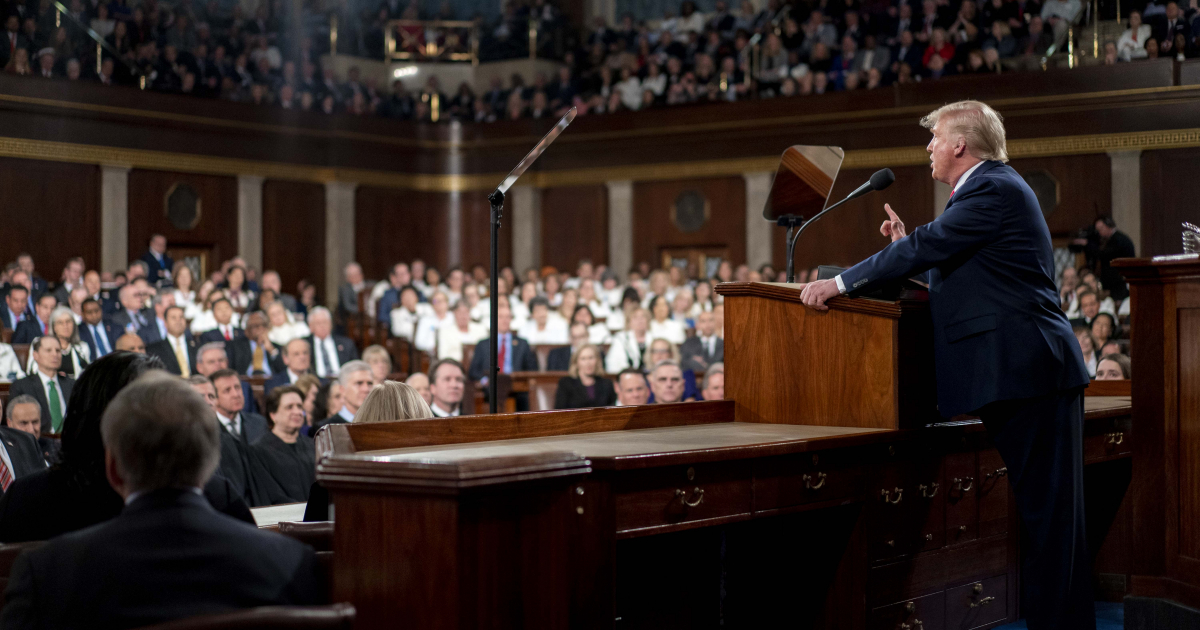
This Tuesday, Americans head to the polls in pivotal midterm elections that will determine who holds the reins of Congress for the final two years of Donald Trump's presidency, serving as a crucial national assessment of his administration.
These elections occur at a challenging time for the Republican leader, whose approval ratings have plummeted to an unprecedented low of 31%, according to a Reuters and Ipsos poll. The dissatisfaction stems from rising living costs, gasoline prices exceeding four dollars per gallon, and an unpopular U.S.-led conflict with Iran, which 69% of Americans deem not worth the cost.
To gain control of Congress, Democrats must secure a net gain of four seats in both the House of Representatives—where Republicans hold a narrow majority of 218 to 214—and the Senate, where they lead 53 to 47. Decision Desk's analysis gives Democrats an 80% chance of reclaiming the House and a 57% likelihood of taking the Senate as well.
Recent polls conducted by the New York Times and Siena, released on Sunday, indicate Democratic candidates leading in six critical Senate battlegrounds: Michigan by eleven points, Texas by seven, Maine by six, Ohio and Kansas by five, and Alaska by two. Iowa remains a toss-up.
Faced with these challenging odds, Trump concluded his campaign with 28 rallies in 31 days, funneling over 277 million dollars through his super PAC MAGA Inc. for television ads and direct mail. Meanwhile, Elon Musk contributed approximately 366 million dollars to support Republican candidates throughout the election cycle.
Trump has urged his base to vote "as if my name were on the ballot," fully aware of the historical trend where recent presidents have lost seats in midterms—a pattern he experienced in 2018.
Should Democrats regain one or both chambers, Trump warned he would employ his veto power extensively. "I guess I'll become 'Mr. Veto,'" he stated in a Sunday interview with Fox News. "You have a president without the House or Senate, they send proposals, you veto them, and eventually, after a month or two of vetoing everything, they come around, and you strike a deal," he added. Overriding such a veto requires a two-thirds majority in both chambers, a threshold unlikely for Democrats to reach alone.
The election outcome will directly impact Trump's policy towards Cuba. On October 31, he vowed that "no Castro will remain in power" by the end of his term, setting a timeline of "two and a half years." Secretary of State Marco Rubio has labeled Cuba a "priority" and urged internal sectors to collaborate with the CIA for political change on the island.
Since January 2026, Washington has sanctioned over 40 entities and at least 38 individuals linked to Cuba's military, energy, and financial sectors, intercepting at least seven tankers, thereby reducing Cuban crude imports. A Republican majority in Congress would grant Trump more leeway to ramp up pressure or explore more forceful options. Conversely, a Democratic Congress would likely launch investigations and support a coalition of 32 lawmakers advocating for a policy shift towards Cuba and cautioning against military intervention.
Cuban Foreign Minister Bruno Rodríguez Parrilla reaffirmed that "the Cuban government will withstand the pressure campaign no matter how long it takes," a stance the regime has consistently maintained in the face of Washington's escalations.
Understanding the Impact of the 2023 Midterm Elections
What are the key issues influencing the 2023 midterm elections?
Major issues include rising living costs, high gasoline prices, and the contentious U.S.-led conflict with Iran.
What is at stake for President Trump in these midterm elections?
The elections serve as a referendum on Trump's presidency and could significantly impact his ability to advance his legislative agenda.
How might the election results affect U.S. policy towards Cuba?
A Republican majority could lead to increased pressure on Cuba, while a Democratic Congress might push for policy changes and investigations.