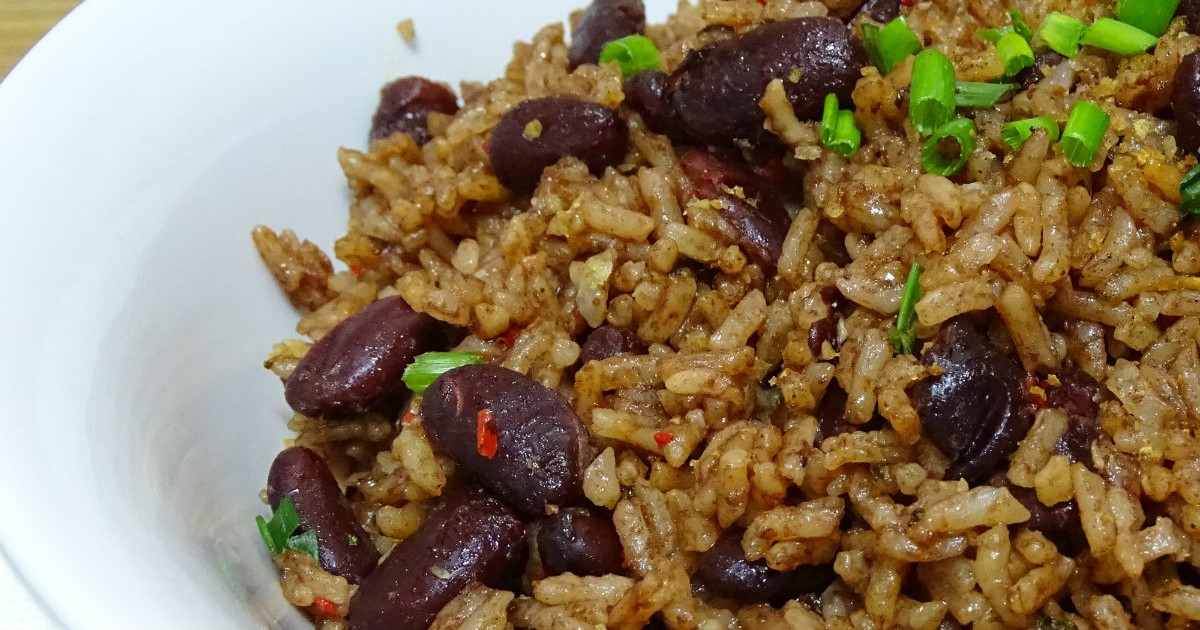
When crafting the perfect Cuban congrí with grains that remain separate, the simplest choice in U.S. supermarkets is the conventional long grain white rice. Labeled as such, this rice provides a reliable texture. While jasmine or parboiled rice can also be used, they behave differently; jasmine tends to be softer, while parboiled stays firmer.
The variety of rice significantly impacts how it cooks with beans and broth. Switching types without checking package directions might result in a too-moist, clumpy dish, or rice with a hard center.
Selecting Rice for Perfectly Separated Congrí
Long grain white rice is the go-to for a loose texture with a neutral flavor that complements the sofrito. According to the USA Rice Federation, its grains usually remain light and distinct after cooking. Look for the standard version; if the bag mentions jasmine, parboiled, or instant, it indicates a different variety or processing method.
Jasmine rice is also long grain but more aromatic, often resulting in a softer, stickier texture. It's suitable for congrí if you favor this texture, but carefully monitor the liquid and avoid stirring it while cooking. There's no need to dismiss jasmine rice; just don't expect it to behave exactly like conventional long grain white rice.
Parboiled rice, also known as converted rice, undergoes a process involving water and steam before milling. Once cooked, it tends to be more separated and firmer than standard white rice. This option is ideal if you prefer a congrí that resists softening, though it may require adjustments in liquid and cooking time. Note that it's not the same as instant rice.
Identifying Rice Packages in the U.S.
For a classic preparation, seek out long grain white rice. If you're after a fragrant option, look for the word jasmine. For steam-treated varieties, check for parboiled or converted labels. Instant, quick cooking, or ready-to-heat rice has been pre-cooked and is not a suitable direct substitute for recipes designed for raw rice.
Brown rice retains more of the grain's layers and typically requires longer cooking. Medium or short grain rice tends to be stickier, making them less ideal if you're aiming for a well-separated congrí. The type and cooking method of the rice matter more than the brand.
How Much Water or Bean Broth is Required?
In congrí, water is replaced wholly or partially by the broth from cooking the beans. The broth is considered part of the cooking liquid, not additional to the water specified in a white rice recipe. If using pre-cooked beans, save and measure the broth, accounting for the moisture from other ingredients.
For cooking just rice, USA Rice suggests a ratio of two parts liquid to one part long grain white rice, and two and a quarter parts to one for parboiled. However, these aren't universal for congrí; factors like bean broth, cookware, heat, and recipe specifics affect the outcome. Adjust package guidelines to fit your preparation rather than copying measures from another rice type.
Cooking Congrí in a Pot Without Sticking
Begin by cooking the beans until tender but not mushy; separate the grains and reserve some broth. Prepare a sofrito with garlic, onion, pepper, and your chosen seasonings. Mix the raw rice briefly with the sofrito before adding the beans and measured liquid.
Once boiling, reduce the heat and cover the pot. Avoid frequent uncovering and stirring; movement releases starch which can make it sticky. USA Rice advises keeping the lid on and fluffing the grains with a fork after cooking.
The cooking time varies with the rice. USA Rice's guide suggests 15 to 18 minutes for basic long grain white rice cooking, while parboiled may take longer. For congrí, check the actual doneness and follow package instructions, as times may not be consistent across all pots or bean quantities.
Making Congrí in a Rice Cooker
Yes, congrí can be made in a rice cooker, provided it can handle the ingredients and quantities. Cook the beans and prepare the sofrito separately if the cooker lacks that function. Then, place the rice, beans, sofrito, and measured broth in the cooker, respecting its capacity and manufacturer instructions for the chosen rice type.
The water scale in some rice cookers is designed for rice and water, not mixtures with beans and oil. Use the same measuring cup, check the maximum capacity, and don't assume the white rice line is suitable for parboiled or brown rice.
Avoiding Mistakes in Cooked Congrí
Too much liquid can lead to overly soft grains, especially with jasmine rice. Measure all liquids from the start, including bean broth; don't add extra just because you're making congrí.
Constant stirring or frequent lid removal causes rice to release starch and lose steam. Once ingredients are mixed, let it cook on low heat. Afterward, let it rest and fluff with a fork.
If rice remains hard in the center, it may need more liquid or time. If the broth has been absorbed, add a small amount of hot liquid, cover, and continue cooking on low until the grains are tender; avoid adding a large quantity of water all at once.
Be cautious with washing enriched white rice; the USA Rice Federation notes that rinsing can remove added nutrients. Follow the package instructions before rinsing repeatedly.
If you're buying rice for your first congrí in the U.S., start with a bag of conventional long grain white rice. Once you master the broth and cooking point, try jasmine for softer grains, or parboiled for a firmer bite.
Common Questions About Cooking Congrí
What is the best rice for Cuban congrí?
Long grain white rice is the best choice for achieving a separated texture in Cuban congrí, as it cooks light and distinct.
Can jasmine rice be used for congrí?
Yes, jasmine rice can be used if you prefer a softer texture, but it requires careful liquid management to avoid stickiness.
Is parboiled rice suitable for congrí?
Parboiled rice is suitable if you desire a firmer grain, but adjustments in liquid and cooking time are necessary.
How do I prevent congrí from becoming mushy?
Avoid adding too much liquid and stirring frequently. Measure liquids carefully and let rice rest after cooking.