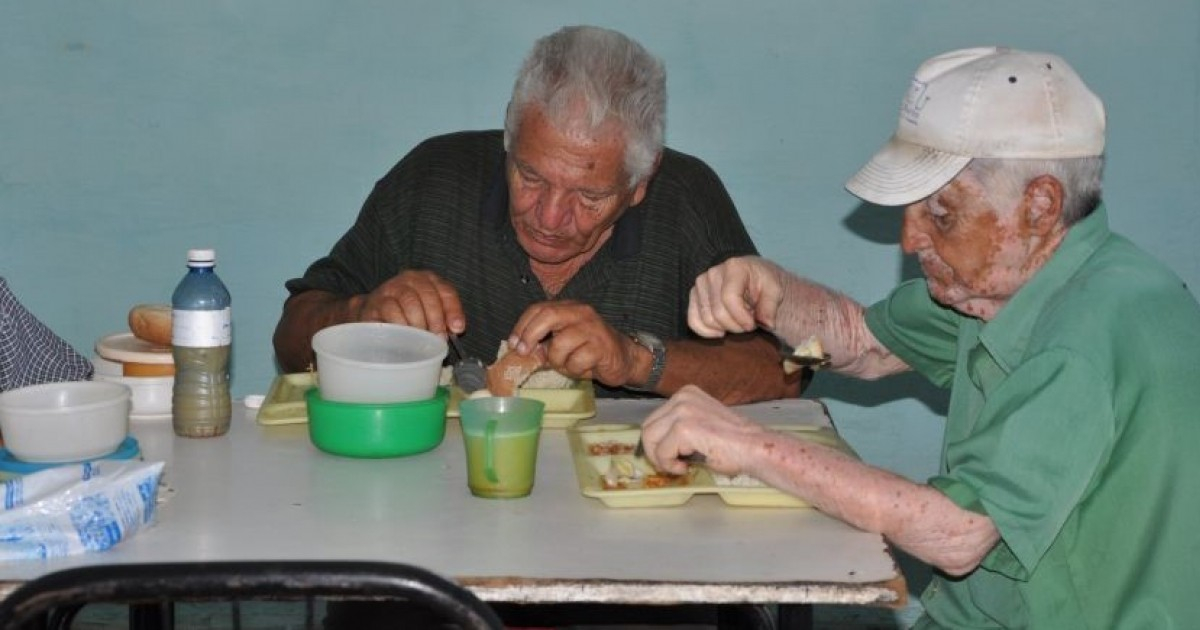
In the province of Sancti Spíritus, efforts are underway to establish seven community feeding centers aimed at supporting vulnerable individuals in rural and hard-to-reach areas. However, none of these centers have opened, nor is there confirmed physical construction, according to a report by the state-run Escambray on Saturday.
Ariel Fernández Martín, the general director of the province's Business Group of Commerce, disclosed the status of these preparations, acknowledging that the province is behind schedule in implementing this social policy.
Fernández Martín stated, "Currently, we are working on establishing seven facilities of this nature as part of a program to be expanded throughout the entire Sancti Spíritus territory," as reported by the official media.
The projects showing the most progress are located in the municipalities of La Sierpe, Yaguajay, and Sancti Spíritus, where communities, potential beneficiaries, and economic stakeholders interested in the initiative have already been identified.
Despite these advancements, challenges remain: "Several localities have conducted studies, identified potential beneficiaries, and enlisted economic stakeholders willing to participate in the initiative, but the process hinges on the approval of the Administrative Councils," the official note specified.
The director himself urged the acceleration of procedures, admitting that the province is lagging behind compared to the pace at which this initiative has been adopted in other parts of the country.
Community feeding centers represent a part of the Family Attention System, designed for areas where traditional dining facilities are not feasible. Each center can operate in a private home, serve up to ten beneficiaries from Monday to Saturday, and deliver food free of charge to those unable to travel due to health reasons. The maximum price per meal is set at 50 Cuban pesos.
The expected beneficiaries include elderly individuals without family support, people with disabilities, families lacking cooking facilities, and pregnant women facing economic hardship.
While Sancti Spíritus has yet to open any such centers, other provinces are ahead. By October 2026, Isla de la Juventud had inaugurated five centers in rural communities, and Ciego de Ávila opened one in August, managed by the private project "Los Ramones." Guantánamo, Holguín, and Santiago de Cuba also have operational centers.
The initiative arises amid growing demand: the Family Attention System expanded from serving approximately 59,000 people in 2023 to over 76,000 by 2026, across nearly 1,445 units nationwide, with a budget that the government itself admits is inadequate. A complaint in September described the meals served to the elderly at a dining center in Santiago de Cuba as "a watery broth of cilantro and chopped garlic," highlighting the supply challenges faced by the network.
The frustration over the slow progress was also reflected in comments on the Escambray article. "Stop talking and get started already. There's hardly any progress no matter how nicely Escambray writes," commented a reader identified as Smoralgo, shortly after the article was published.
Frequently Asked Questions About Community Feeding Centers in Sancti Spíritus
What are community feeding centers in Sancti Spíritus?
Community feeding centers are facilities part of the Family Attention System, designed to provide meals to vulnerable individuals in rural and inaccessible areas of the province.
Who benefits from these feeding centers?
Beneficiaries include elderly people without family support, individuals with disabilities, families unable to cook, and pregnant women in economic distress.
Why are the feeding centers delayed?
Delays are attributed to bureaucratic processes requiring approval from Administrative Councils, as well as logistical and construction challenges.