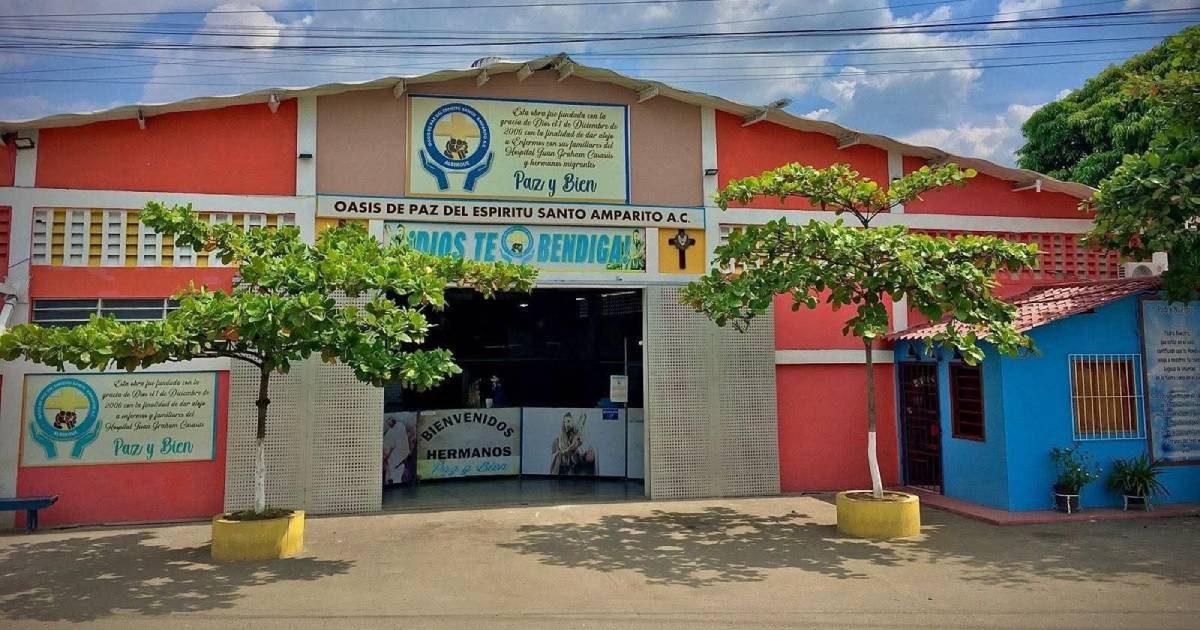
Approximately 40 elderly Cubans, many of whom were deported from the United States and are facing health challenges, will be required to leave the shelter that has been housing them in Villahermosa, Tabasco. The facility will no longer have the financial resources to support them beyond January 1, 2027.
In response to this predicament, the System for the Comprehensive Development of the Family (DIF) in Tabasco, alongside the National DIF, has initiated efforts to relocate these individuals to a specialized center in Mexico City. However, the timeline for this relocation remains uncertain.
Víctor de Dios Gómez, the coordinator of DIF in Tabasco, emphasized that authorities are actively seeking a solution to ensure the care of these migrants, particularly those suffering from chronic illnesses. "We are working on resolving the issue concerning the elderly Cuban population by coordinating with the National DIF to send them to a designated center in Mexico City," he mentioned in an interview with the Diario de Tabasco.
Amparito Shelter Faces Financial Constraints
Amparito Shelter, officially named Oasis of Peace of the Holy Spirit, has announced that it will cease receiving and supporting migrants as of January 1, 2027. Instead, it will focus its resources exclusively on families of patients at the Regional Hospital of High Specialty Dr. Juan Graham Casasús.
Operating since 2006 and relying on donations, the shelter began accommodating Cuban migrants deported from the U.S., many of whom are elderly without close relatives or the means to support themselves. According to a report by 14ymedio, the facility has assisted around 200 Cubans since last year, with several of them expelled during the Trump administration.
The increasing demand for care has overwhelmed the shelter's financial and operational capabilities. Josué Martínez Leal, the shelter's deputy coordinator, highlighted that many of the residents are beyond working age, lack support networks, and suffer from chronic illnesses. "The shelter no longer has specialized medical, nursing, or social work facilities," he stated.
The shelter administration had alerted authorities as early as May about their inability to continue providing adequate care for the most vulnerable migrants.
Migratory Status Complicates Relocation Efforts
The lack of proper documentation remains a significant hurdle in relocating the Cuban migrants. De Dios Gómez confirmed that many lack official Mexican documents, complicating the administrative processes required for their care and transfer.
Efforts are underway with the Ministry of Health and IMSS-Wellbeing to ensure access to medical services, regardless of their documentation status. "Amparito Shelter can no longer sustain these individuals, and initially, support has been provided in the form of food," explained the DIF coordinator to 14ymedio.
Reports from Ahora Tabasco indicate that regularizing the migrants' status could take between eight months to a year, a timeframe that presents challenges given the shelter's planned service cessation in January.
Authorities are maintaining discussions with government and immigration agencies to explore alternative solutions. A report in December 2025 detailed the vulnerable conditions of Cuban deportees living undocumented in Mexico, emphasizing the plight of those sent to Villahermosa.
As of now, there has been no definitive date announced for their relocation, nor clarity on what will happen if the migratory procedures are not completed before the shelter ceases operations.
Key Challenges in Relocating Elderly Cuban Migrants
What is the main reason the shelter can no longer support the Cuban migrants?
The main reason is the lack of financial resources. The shelter, which has relied on donations, is no longer able to meet the increased demand for care from the migrants, particularly those with chronic health issues.
What are the authorities doing to solve the issue?
Authorities, including the DIF in Tabasco and the National DIF, are coordinating efforts to relocate the migrants to a specialized center in Mexico City. They are also engaging with health and immigration agencies to facilitate access to medical services and address documentation issues.
How does the lack of documentation affect the relocation process?
Without proper documentation, it becomes challenging to complete the necessary administrative procedures for the migrants' care and transfer, which complicates their relocation to a new facility.