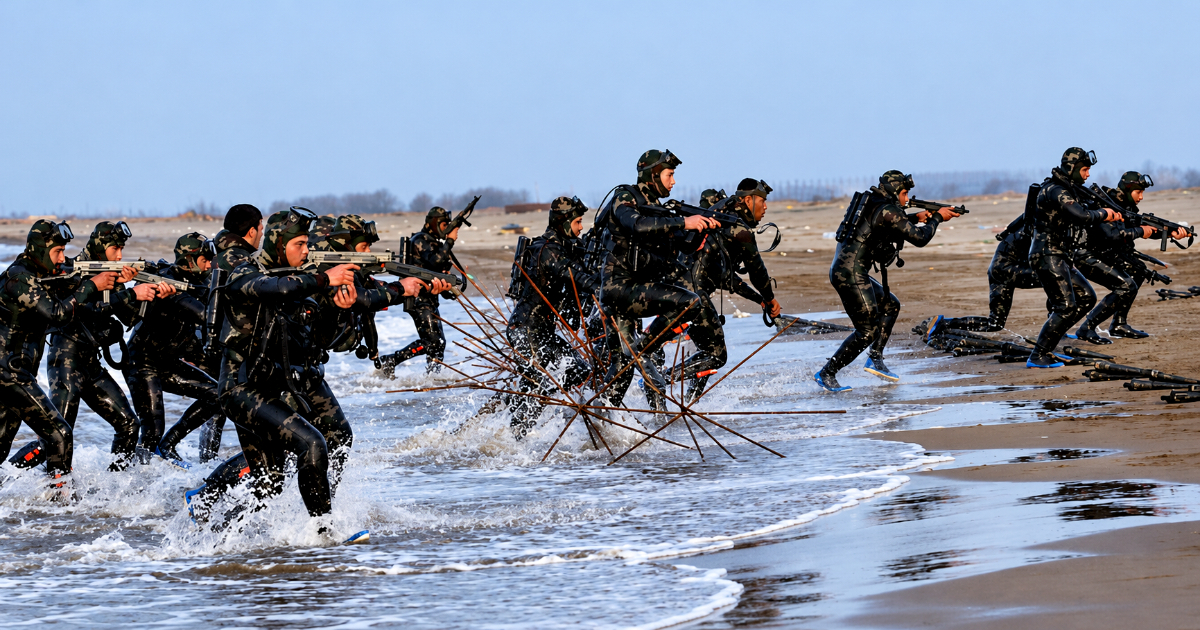
Iran's Supreme Leader, Mojtaba Khamenei, has directed the nation's Armed Forces to respond "swiftly, effectively, and without geographical limitations" to any impending threats from the United States or Israel. This announcement, made on Saturday, escalates tensions in a conflict that has been ongoing for nearly eight months.
According to reports from Tehran by the EFE agency, Khamenei delivered this directive during a meeting with the nation's top military leaders, including Major General Ali Abdolahi, Chief of Staff; Ahmad Vahidi, Commander-in-Chief of the Revolutionary Guard; and Major General Amir Hatami, Commander-in-Chief of the Army.
"Any threat, regardless of its level or nature, must be met with an immediate and effective response that knows no geographical boundaries," Khamenei was quoted as saying on his official portal.
The Ayatollah further warned that if adversaries launch military or terrorist attacks again, it will be the Armed Forces of the Islamic Republic of Iran and the Iranian nation who will dictate the time and conditions to end the conflict.
Military Targets and Preparedness
Beyond verbal warnings, Khamenei commanded the update of military target lists to ensure all American and Israeli assets—both tangible and intangible—are within reach of their forces.
During the same gathering, General Abdolahi presented assessments regarding the readiness of troops stationed in the Persian Gulf, the Strait of Hormuz, the Sea of Oman, and the country's northwestern and southeastern borders. He noted that the Armed Forces have significantly increased the production of munitions and weaponry.
Context of Rising Tensions
This declaration comes amidst heightened tensions following the outbreak of war between the U.S., Israel, and Iran on February 28, 2026, with the launch of "Operation Epic Fury" and "Roaring Lion," targeting Iranian military, nuclear, and missile facilities. That day also saw the death of then-Supreme Leader Ali Khamenei. His son, Mojtaba, was appointed successor by the Assembly of Experts on March 8, a succession criticized for its dynastic nature. Donald Trump deemed this choice a "grave mistake" and "unacceptable." Since his appointment, the 57-year-old cleric has neither appeared publicly nor released any audio messages.
Immediate Triggers and Diplomatic Efforts
The announcement aligns with two immediate triggers. Firstly, the U.S. Secret Service has deployed an Avenger air defense system at Mar-a-Lago, the residence of President Donald Trump in Florida, upon his return. A spokesperson expressed to the Palm Beach Daily News that they continue to operate in a "heightened threat environment" and are adjusting their operations to incorporate advanced tools, technology, and methods.
Secondly, there is speculation of a new U.S. and Israeli offensive against Iran post the upcoming midterm elections on November 3. Trump had stated he would not initiate attacks before that date but left open the possibility of resuming operations afterward.
In the past two weeks, Khamenei has intensified meetings with political and military officials. Last Tuesday, during discussions with Mohsen Rezaei, Secretary of the Supreme National Security Council, he stressed that peace requires adherence to the "seven-day plan": cessation of hostilities across the Middle East, lifting of the naval blockade and sanctions, and the release of frozen assets, followed by reopening the Strait of Hormuz and negotiating the nuclear program with Washington.
Trump dismissed this proposal, asserting that the U.S. already controls the strait.
According to estimates by the Congressional Budget Office, the conflict had cost approximately $38 billion by August 2026. An AP-NORC poll in October showed public support for the war at 35%, with 55% opposing it.
Frequently Asked Questions about Iran's Military Stance
What prompted Iran's Supreme Leader to issue a global threat response?
The directive was issued in response to potential threats from the United States and Israel, amidst ongoing tensions and conflict, emphasizing a response that transcends geographical limits.
How has Iran's military been preparing for potential conflicts?
Iran has increased the production of munitions and weaponry, updated military target lists, and assessed troop readiness in strategic locations such as the Persian Gulf and the Strait of Hormuz.
What are the implications of the succession of Mojtaba Khamenei as Iran's Supreme Leader?
Mojtaba Khamenei's succession has been criticized for its dynastic nature, and since assuming leadership, he has remained out of the public eye, which has raised concerns and criticism internationally.