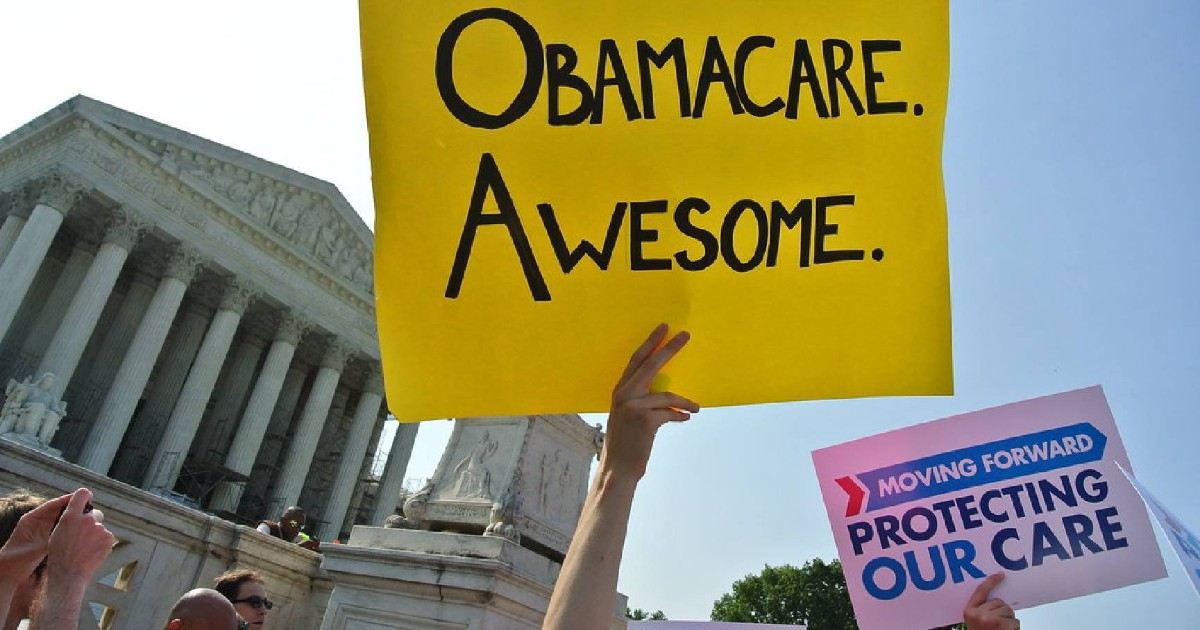
Just two days into the open enrollment period for Obamacare, the United States government revealed that over 75% of those seeking health coverage via HealthCare.gov will have plans available with monthly premiums of $50 or less by 2027, thanks to applicable federal subsidies.
This projection was announced by the Centers for Medicare and Medicaid Services (CMS) on Friday, which released the official data on pricing and available health insurance options for the coming year.
This figure represents a significant opportunity for millions of families who rely on the Affordable Care Act's (ACA) Health Insurance Marketplace, commonly known as Obamacare.
However, officials clarified that not all enrollees will pay exactly $50 each month. The final price will depend on factors such as family income, age, location, household size, and the specific plan chosen.
Key Dates for Obamacare Enrollment
The open enrollment period kicks off this Sunday, November 1, and runs through January 15, 2027, in states utilizing HealthCare.gov.
Individuals looking to begin the year with health coverage must complete their enrollment or make changes to their policy by December 15. In such cases, coverage will commence on January 1, 2027, provided the initial payment to the insurer is made.
Those enrolling between December 16 and January 15 will have coverage starting February 1.
Authorities advise reviewing available options, even for those already insured, as prices, medical networks, and benefits may vary from year to year.
Financial Aid and Plan Options
According to CMS data, eligible individuals for premium tax credits will have approximately 90% of the most affordable plan covered by the federal government, an increase from 85% in 2020, the last year unaffected by temporary pandemic policies.
The national average for 2027 offers about 100 different plans and between five and six insurers per consumer.
Additionally, due to the Working Families Tax Cuts law, all purchasers on HealthCare.gov will access plans eligible for Health Savings Accounts (HSA), with an average of 35 HSA-eligible options per person, marking more than a 1,000% increase from the period before the law.
Catastrophic plans, which include preventive care with no copay and protection for pre-existing conditions, have an average premium nearly 10% lower than the next cheapest plan at other coverage levels.
Changes Impacting Immigrants
A significant change for immigrants takes effect on January 1, 2027: only three immigration categories will qualify for premium tax credits and cost-sharing reductions.
According to HealthCare.gov, these categories are lawful permanent residents (Green Card holders), Cuban or Haitian entrants as federally defined, and migrants under the Compact of Free Association (COFA).
These alterations in eligibility and access to federal subsidies could leave millions without financial aid for health coverage.
It is crucial to note that Cuban nationality alone does not meet the federal Cuban or Haitian entrant category: this classification depends on recognized immigration status by federal authorities, not the country of birth. Other legally present immigrants — including refugees, asylees, and those with Temporary Protected Status (TPS) — can continue purchasing Marketplace plans but without eligibility for these savings.
Florida, a state with a high concentration of Cubans and operating under the federal platform, is among those using HealthCare.gov for 2027. The situation there is more complex: individual gross premiums rose by an average of 10.4% before subsidies, and three insurers — Cigna, Sunshine Health, and Molina — exited Florida's individual market for the upcoming year, reducing available options.
The final price and exact subsidy are only confirmed upon completing the application on HealthCare.gov, where a preview tool allows cost estimation by entering zip code, household size, and estimated income. The FTC also issued warnings to 25 companies over potentially misleading health insurance advertising just before the enrollment period opened, serving as a reminder to always verify information directly on the official portal.
Understanding Obamacare Enrollment and Eligibility Changes
Who qualifies for the $50 or less premium under Obamacare?
Eligibility for the $50 or less premium depends on factors like family income, age, location, household size, and the chosen plan. After applying federal subsidies, over 75% of enrollees are expected to qualify for these affordable premiums by 2027.
What are the key dates for Obamacare enrollment in 2027?
The open enrollment period begins on November 1 and ends on January 15, 2027. To start coverage on January 1, enrollees must sign up by December 15. Those enrolling between December 16 and January 15 will have coverage starting February 1.
How do changes in immigrant eligibility impact access to subsidies?
Starting January 1, 2027, only lawful permanent residents, Cuban or Haitian entrants, and COFA migrants can access premium tax credits and cost-sharing reductions. Other legally present immigrants will still be able to purchase plans but without these financial aids.