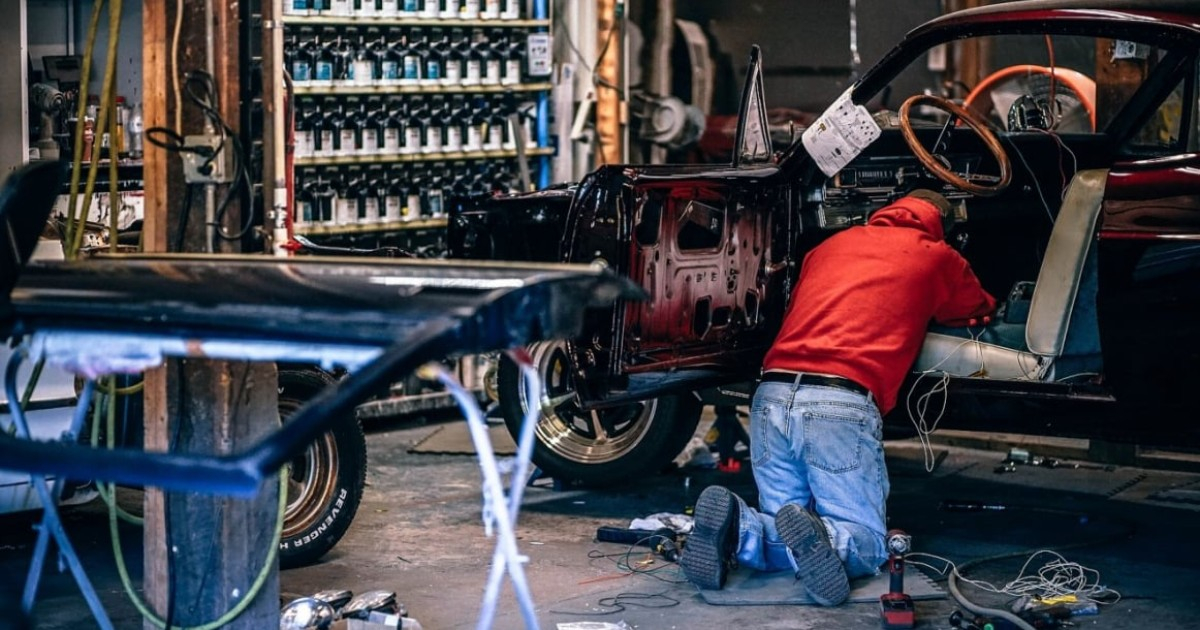
For those in the market for a used car in Florida, heightened caution is advised. After major floods, water-damaged vehicles often appear for sale, sometimes hundreds of miles away from where the flooding occurred, with seemingly clean titles.
The National Highway Traffic Safety Administration (NHTSA) cautions in its official guide on flood-damaged vehicles that "scammers know how to clean up a damaged vehicle to make it look good at first glance" and that the damage "can affect vehicle mechanisms for years without immediately showing signs."
The urgency is clear: a record king tide on October 27th and 28th left Miami and Fort Lauderdale submerged under approximately 2.5 feet (76 cm) of water above the usual high tide, marking the highest levels recorded outside of a hurricane in those areas.
Many vehicles were exposed to saltwater, and historically, some of these end up on the used car market.
Check the VIN Before You Buy
The initial step is to verify the 17-digit Vehicle Identification Number (VIN) through official sources. The National Motor Vehicle Title Information System (NMVTIS), managed by the U.S. Department of Justice, compiles data from state title agencies, insurers, and salvage yards.
Once a state assigns a "flood" or "salvage" label, it permanently appears in the NMVTIS record.
Consumers can access this system through authorized providers like Clearvin.com, EpicVin.com, and VinAudit.com, with reports costing between four and thirteen dollars.
Moreover, the National Insurance Crime Bureau (NICB) offers a free VINCheck service, allowing up to five searches per day per IP address, checking the VIN against theft, salvage, and flood records from insurers representing 92.49% of U.S. insurance premiums.
Both tools have limitations: "A severely damaged vehicle or one with a compromised title might not appear in the report," warns the NICB. A clean report does not guarantee a clean history; it merely reflects what has been reported.
The most common fraud tactic is "title washing," where a vehicle with a flood label in one state is registered in another with less stringent regulations, obtaining a title with no apparent history.
Post-Hurricane Katrina, authorities documented trucks filled with flooded vehicles being transported from Louisiana to the Midwest for cleaning and resale, unbeknownst to buyers.
Physical Signs That Don't Lie
A visual inspection is just as crucial as a VIN check. The NHTSA highlights three key indicators:
Smell: Persistent musty or moldy odors, or an overuse of air fresheners that could be masking mildew.
Dirt in Hidden Areas: Mud, sediment, or water lines in the trunk, glove compartment, and beneath the dashboard.
Rust and Corrosion: Unusual deterioration for the vehicle's age on the underside of the chassis.
A pre-purchase inspection by an independent mechanic, unassociated with the seller, costs between 100 and 200 dollars, and up to 350 dollars for luxury or diesel vehicles.
This should include checking for corroded electrical connectors, condensation in headlights, sediment in seat tracks, and a diagnostic trouble code scan.
Potential buyers of electric vehicles need to exercise even greater caution: saltwater exposure to batteries can lead to fires days or weeks later without any prior visible signs.
If fraud signs are detected during the purchase process, the NICB recommends filing an online report or calling 800-TEL-NICB (800-835-6422).
"Be wary of flood-damaged vehicles with clean or missing titles," concludes the NHTSA. "The NMVTIS can help trace a vehicle's title history," but no inquiry can replace a physical inspection or completely eliminate the risk of acquiring a car with hidden damage.
Frequently Asked Questions on Buying Used Cars in Florida
How can I check if a used car in Florida has flood damage?
You can verify flood damage by checking the Vehicle Identification Number (VIN) through authorized providers or using the free VINCheck service by the National Insurance Crime Bureau.
What are common signs of flood damage in a car?
Common indicators include a persistent musty odor, dirt in hidden areas like the trunk or glove compartment, and unusual rust and corrosion.
Why should I be cautious of clean titles on used cars?
Scammers may engage in "title washing," where a vehicle with a flood label is re-registered in another state with less strict laws, resulting in a seemingly clean title.