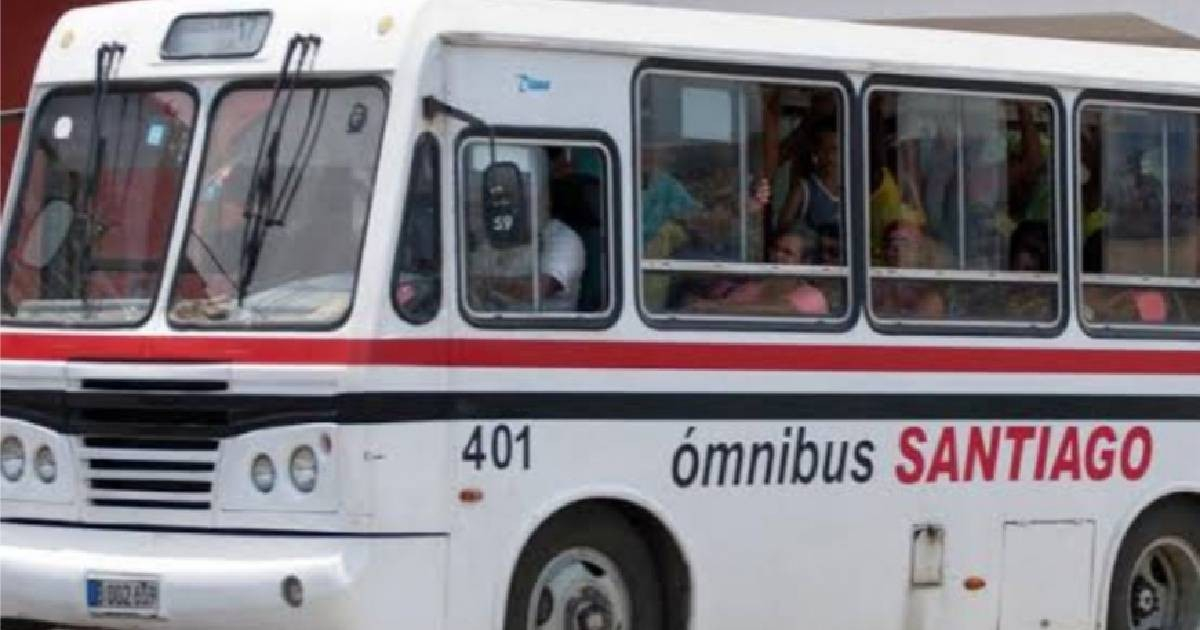
In response to the ongoing fuel shortage, Jaime Codorniú Furet, the provincial delegate of Transport in Santiago de Cuba, outlined several strategies aimed at maintaining transportation services, with a particular focus on ensuring connectivity between the population and medical facilities. His comments were published in the official newspaper, Sierra Maestra.
As per Codorniú Furet, the provincial strategy involves three structural changes and nine measures that impact sector organization, autonomy, energy sources, and fare setting. These adjustments are part of a broader national framework comprising 176 measures across 23 thematic areas.
"Our primary goal is to keep the main routes operational, particularly those near hospitals, medical centers, and key economic zones, while also addressing the transportation needs of the populace," Codorniú Furet emphasized in his statement to the state media.
To maintain these crucial routes, the province relies on three supply channels: fuel contributions from non-state transportation, support from the Ministry of Transport, and partnerships with small to medium private enterprises and other non-state transporters.
Urban Transportation Strategies
In the urban landscape, reference fares are capped at 100 pesos, calculated based on distance traveled. Despite a 25-fold increase in fuel costs, fare adjustments have not mirrored this rise proportionately, although they have increased compared to previous rates. By the end of the year, alternatives using Development Fund fuels will be explored to mitigate expenses.
The transportation model integrates non-state operators in urban, suburban, intermunicipal, and Plan Turquino routes, complemented by urban buses, route taxis, Taxi Cuba, return services, and companies like Transmetro, Escolares, Transgaviota, and Transtur.
Interprovincial Connectivity Challenges
The scarcity of fuel has severely curtailed interprovincial transport frequencies. From Santiago, connections to Havana are available on Mondays, Wednesdays, and Fridays; to Artemisa on Mondays; to San José on Thursdays; and the combined Santiago-Batabanó-Gerona service continues. A weekly route to Matanzas has been added on Wednesdays. The national train from Santiago to Havana operates every 16 days, with occasional extra departures.
This month, routes to Guantánamo and Bayamo-Manzanillo are being added as fuel availability permits, and efforts are underway to establish a Santiago-Holguín route. Ticket purchases are exclusively in-person at the railway station and travel agency, with no phone or online options. "The queues reflect the insufficient supply and are the only means currently available for these services," the state media admitted.
Broader Impact and Initiatives
The situation described by Codorniú Furet highlights a nationwide crisis. In mid-October, the Transport Minister acknowledged the service's collapse: interprovincial bus departures from Havana plummeted from 419 daily in 2025 to just over 11 in 2026, and national bus routes dropped from over 100 to a mere 21.
In Santiago, daily private transport costs can reach up to 5,000 pesos monthly, while informal interprovincial trips range between 15,000 and 35,000 pesos. As a healthcare relief measure, the city received 10 electric taxis in August for hemodialysis patients, allocated across five hospitals.
Additionally, a vehicle legalization process is underway until November 6, allowing for the registration of assembled vehicles—such as motorcycles, tricycles, sidecars, trailers, and semi-trailers—via sensovap.transnet.cu, supported by municipal Joven Clubs. In Santiago, the Joven Club in Corona, located at the Enramadas corner, has registered 3,600 individuals in just one month.
Frequently Asked Questions on Santiago de Cuba's Transport Measures
What measures are being taken to maintain transport services in Santiago de Cuba?
The province has implemented structural changes and a series of measures focusing on keeping routes to hospitals and economic zones operational, utilizing support from non-state transport, the Ministry of Transport, and private sector partnerships.
How has the fuel shortage affected interprovincial transport?
The fuel shortage has drastically reduced the frequency of interprovincial routes from Santiago. Only limited connections to Havana, Artemisa, and other cities are available, with ticket sales strictly in-person.
What alternative transportation options are available for Santiago residents?
Residents can use non-state urban transport services, electric taxis for medical needs, and engage in a vehicle legalization process for greater mobility.