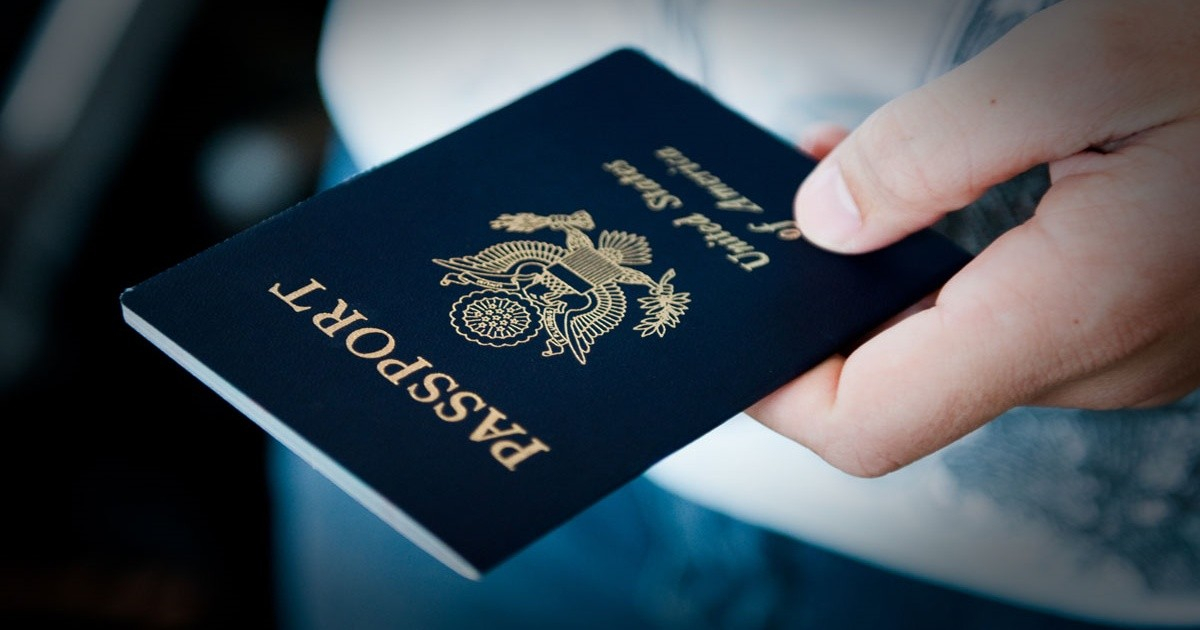
The Federal Trade Commission (FTC) has initiated a federal lawsuit against GovAssist LLC, Entry LLC, and their owner, Scott Zuckerman, for allegedly running a scheme that impersonated the U.S. government to deceive citizens seeking American passport services, according to the FTC's official statement.
The lawsuit, unanimously approved by a 2-0 Commission vote and filed in the Federal District Court for the District of Puerto Rico, accuses the operation of collecting over $40 million from more than 300,000 consumers since at least October 2023.
The FTC claims that the defendants used paid Google ads for searches like "passport renewal" or "apply for a new passport," promoting their websites—such as GovAssist.com, Entry.com, and IVS.us—above the official Department of State portal, misleading consumers into believing they were dealing with a governmental or government-affiliated entity.
"Using paid Google ads to impersonate the government and target American travelers is illegal," stated Christopher Mufarrige, Director of the FTC's Bureau of Consumer Protection.
"Today's action serves as a powerful warning that the FTC will pursue any actors involved in search engine advertising schemes that deceive consumers."
The FTC highlights that Entry.com advertised services starting "from $89" when the cheapest package actually cost $119 plus $29 for shipping—a total of $148—not including the mandatory fees from the Department of State.
Moreover, the defendants promised expedited passport services within three to four or six to ten business days, which the FTC deems impossible since only the Department of State can issue U.S. passports, with expedited services taking at least two to three weeks.
In many instances, consumers only received downloadable application forms available for free on the official website and still had to complete additional processes and pay separate government fees.
The FTC also accuses the defendants of inflating their reputation with fake positive reviews on Trustpilot and other platforms to appear legitimate to users.
Zuckerman has been under an FTC administrative order since December 2021, resulting from an unrelated case involving the marketing of SpyFone, a covert surveillance app operated by Support King LLC, which was banned from the surveillance industry and required to delete data collected unlawfully.
The lawsuit alleges violations of the FTC Act, the Impersonation Rule, and the Gramm-Leach-Bliley Act. The case will be decided by the court and does not imply proven guilt.
Individuals needing to apply for or renew a U.S. passport can find the requirements and procedures on the official government website.
The current fees are: first-time adult passport book application, $130 plus a $35 acceptance fee; passport book renewal, $130; expedited service, an additional $60. Forms DS-11 and DS-82 are downloadable for free. No private intermediary can issue passports or guarantee faster processing times than the official ones.
If you believe you have been a victim of such schemes, you can file a complaint at ReportFraud.ftc.gov.
Understanding Passport Application Scams
What actions can I take if I suspect I've been scammed by a passport service company?
You can report the incident to the FTC at ReportFraud.ftc.gov. Providing as much detail as possible will assist in the investigation.
How can I ensure I'm using the official U.S. government website for passport services?
The official U.S. government website for passport services can be identified by its ".gov" domain. Always verify the URL and ensure it is a government-affiliated site.