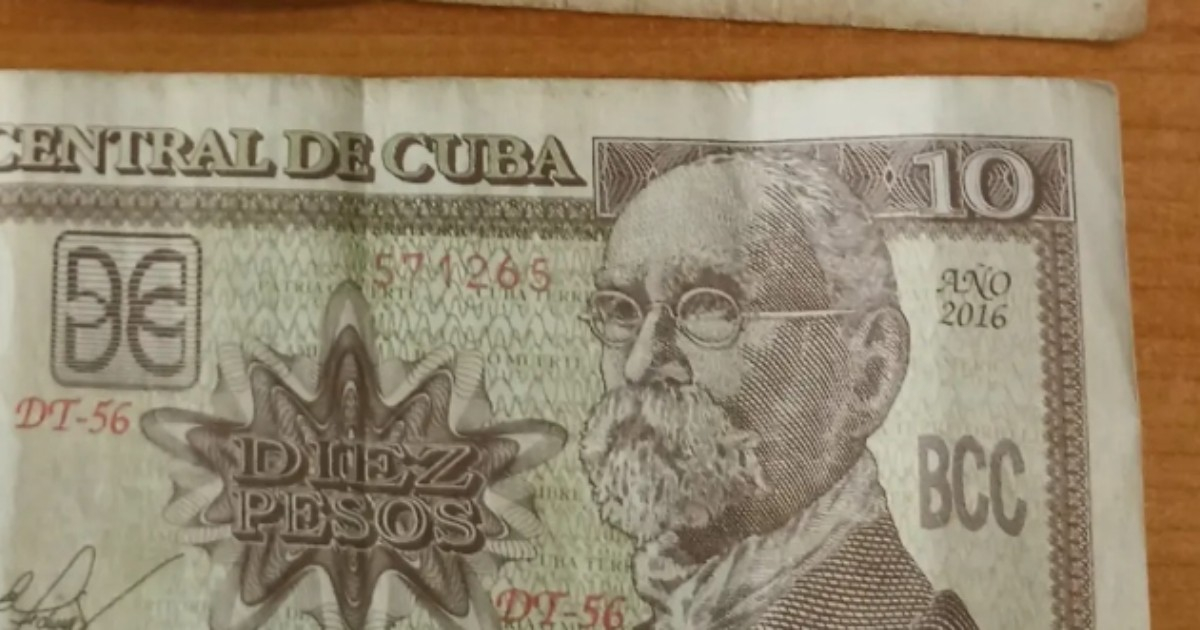
Yanisleidis Garrido recently took to Facebook to vent her frustration over a disturbing trend in San Antonio de los Baños, Artemisa, where several businesses are refusing to accept 10 and 20 Cuban peso bills. These are the same denominations that many workers receive as wages or withdraw from banks.
"The disrespect in this municipality is outrageous," Garrido wrote. "Anyone who refuses to accept 10 and 20 peso bills when I try to make a purchase will be reported to the inspectors. This isn't a warning; it's a promise."
She continued by questioning, "What am I supposed to do with my salary? I'm not the only one affected; everyone paid like this is in the same boat. Where do I put the bills?"
"Either pay us with larger bills or shut everything down and let us starve," she argued, emphasizing the injustice of having to plead for basic necessities in one's own country. "I've returned home empty-handed more times than I can count because I refuse to compromise my values. Enough is enough; let all businesses close if that's what it takes. Only those with means can survive here."
State Workers and the Banking Dilemma
State employees echoed similar sentiments, pointing out that the issue begins long before they reach the market: "State workers are the most affected. We're paid through cards and can only withdraw cash in 10 peso bills." Another individual bitterly noted, "If the bank itself gives you those bills, there's no worse situation than being stuck in the same cycle."
Heart-Wrenching Stories in Everyday Life
One of the most striking stories came from a woman who witnessed a scene in a local pharmacy. "I saw an elderly man being told by the cashier that they couldn't accept more than two hundred pesos in 20 peso bills. I had to exchange a 200 peso note for him so he could buy his medication with the only money he had from the bank." Without her intervention, the elderly man might have left without his essential medicine.
Electronic Transfers and Wider Implications
Other commentators highlighted another layer of the problem: the refusal of electronic transfers. "Just like with transfers, there's no way to buy anything; if your money is on a card, you leave empty-handed. We mistreat each other so much," one person lamented.
Since July 2026, private businesses started rejecting smaller denominations, claiming their own wholesale suppliers wouldn't accept them, thus passing the issue onto consumers.
In response, BANDEC stepped in twice to remind everyone that all Cuban peso bills are legal tender, and no business can arbitrarily refuse certain denominations or dictate what type of cash they will accept. The bank labeled such practices as illegal and warned of potential administrative actions. Nevertheless, the complaints persisted.
Ongoing Struggles Across the Country
In September, a Holguín customer reported a business for rejecting 300 pesos in 20 peso bills as part of a larger payment. In October, a small business set a limit on accepting 50 peso bills from a customer attempting to buy rice. That same month, a 74-year-old retiree faced rejection when trying to pay for bread with 100 five-peso bills from his monthly pension of 3,653 pesos.
Frequently Asked Questions About Cuban Currency Issues
Why are Cuban businesses refusing small-denomination bills?
Many businesses claim their suppliers don't accept smaller bills, forcing them to reject these denominations to maintain operations.
What has been the response from Cuban banks regarding this issue?
BANDEC has reiterated that all Cuban peso bills are legal tender and has warned businesses against the illegal practice of refusing certain denominations.
How does this problem affect everyday Cubans?
It creates significant hardships, as people struggle to use the only currency they possess for purchasing essential goods and services.