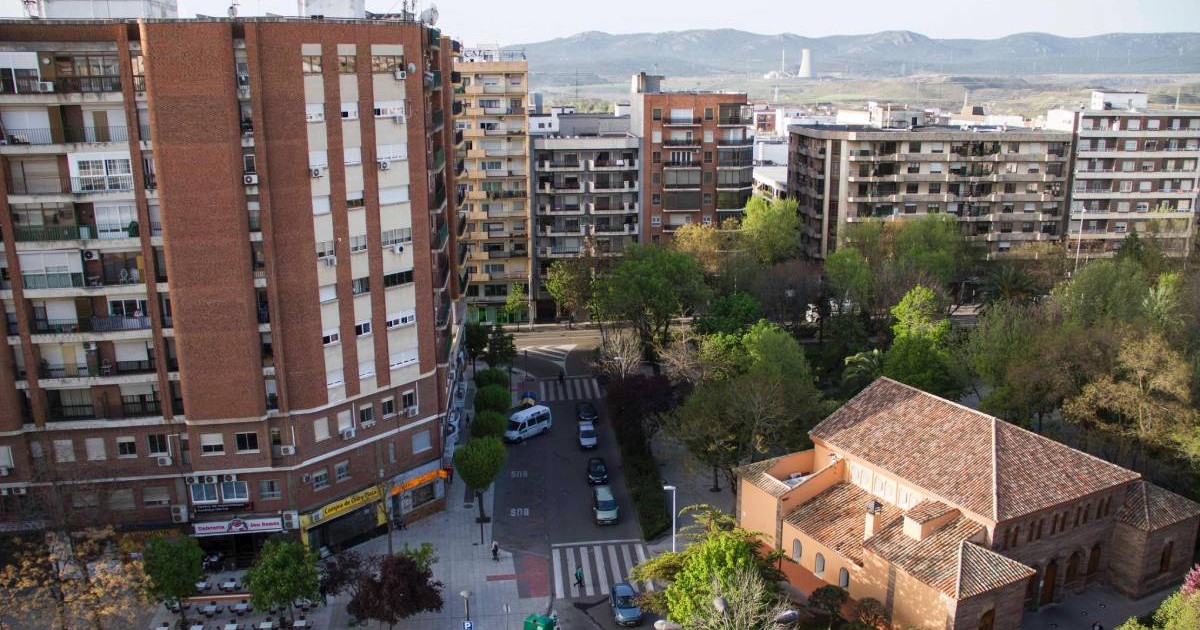
On October 21, Spain's National Statistics Institute (INE) unveiled the 2026 edition of the Urban Indicators report, highlighting significant regional disparities in the average housing purchase prices throughout 2025.
Among municipalities with populations exceeding 20,000, Puertollano, located in Ciudad Real province, reported the lowest average price at 57,698 euros. In stark contrast, Calvià in Mallorca stood out with the highest price, an impressive 981,485 euros.
According to the INEbase summary, the national average housing purchase price was 222,198 euros. This positions Puertollano significantly below this average, while Calvià's prices were more than four times higher.
In addition to Puertollano, Mieres (61,233 euros) and Langreo (62,838 euros) in Asturias also reported low average housing prices for 2025.
On the opposite end of the spectrum, following Calvià, were Pozuelo de Alarcón (907,270 euros) and Santa Eulària des Riu in Ibiza (888,800 euros), along with Sant Josep de sa Talaia (867,072 euros), Boadilla del Monte (821,952 euros), and Marbella (742,787 euros).
Other municipalities with relatively modest prices included Loja (72,493 euros), Archena (74,013 euros), Hellín (75,861 euros), Andújar (76,801 euros), and Linares (77,395 euros), typically located inland or in areas with lower demand pressure.
The territorial contrast is striking: the price gap between the most expensive and cheapest municipalities exceeds 923,000 euros, underscoring the vastly different real estate markets within the same country.
Puertollano, an industrial town with approximately 45,000 residents historically reliant on coal mining and later petrochemicals, recorded the most significant price drop since 2013—the reference year following the real estate crisis—with a 40.2% decrease.
Conversely, the greatest price increases since 2013 occurred in Tías (180.6%), Marratxí (179.6%), and Torremolinos (176.5%), all areas associated with tourism and coastal residential demand.
In terms of neighborhoods within cities with over 250,000 residents, Madrid was home to the 14 neighborhoods with the highest square meter prices in 2025.
Recoletos led the list with 10,952 euros per square meter, followed by Castellana (9,624 euros) and Almagro (9,438 euros). The lowest square meter prices were found in areas of Murcia and Córdoba, with Cañadas de San Pedro in Murcia reaching a minimum of 783 euros per square meter.
It's crucial to note that these figures represent average prices of concluded purchase transactions in 2025, not current listing prices or municipal-level square meter values.
The study does not encompass all Spanish municipalities—excluding the Basque Country and Navarra due to the lack of available data—and does not provide insights into housing availability, cost of living, or working conditions in the analyzed areas.
The INE's Urban Indicators adapt the European Urban Audit project for Spain, spearheaded by the European Commission's Directorate-General for Regional and Urban Policy in partnership with Eurostat. Annually, it publishes 40 indicators across seven thematic areas to compare urban living conditions both nationally and internationally.
Understanding Housing Price Trends in Spain
What factors contribute to the price disparity between municipalities like Puertollano and Calvià?
The price disparity is influenced by factors such as tourism demand, economic activities, and historical economic reliance, with areas like Calvià benefiting from high tourism demand, while Puertollano's industrial history contributes to lower housing prices.
Why did Puertollano experience a significant price drop since 2013?
Puertollano's price drop is tied to its economic transition from coal mining to petrochemicals, along with broader impacts from Spain's real estate crisis, leading to a 40.2% decrease since 2013.
Which neighborhoods in Madrid have the highest housing prices?
In Madrid, the neighborhoods of Recoletos, Castellana, and Almagro have the highest housing prices, with Recoletos reaching 10,952 euros per square meter in 2025.