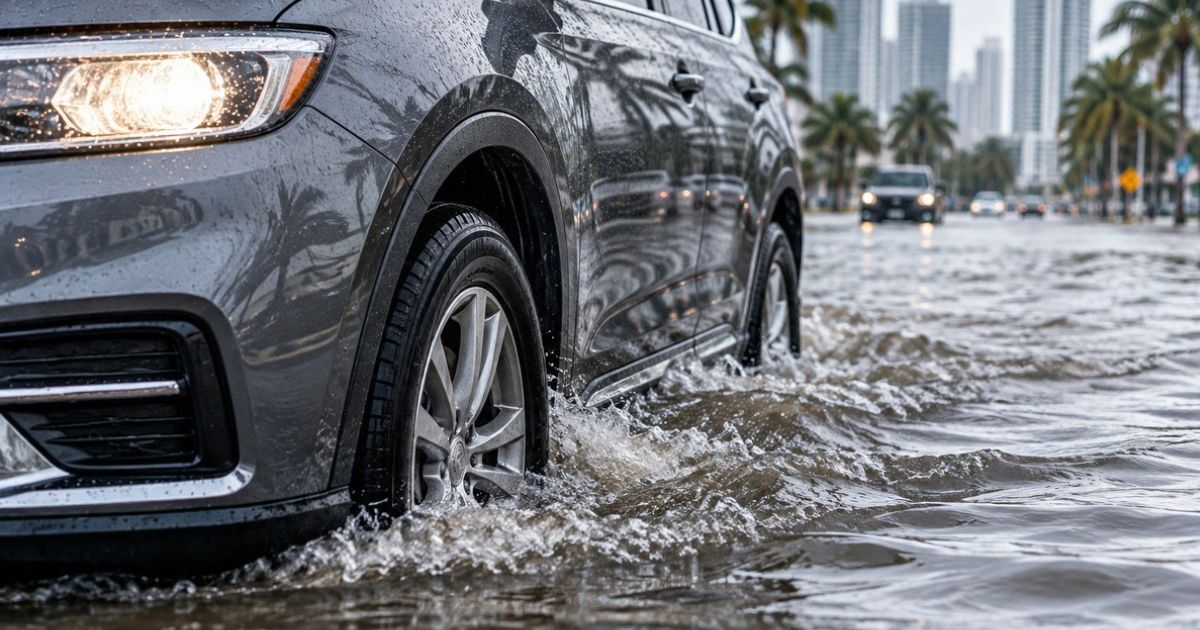
In Florida, heavy rains and extraordinary tides can result in severe damage to vehicles. However, having auto insurance doesn't automatically mean your insurer will cover the repairs. It largely depends on the type of coverage you have and the terms outlined in your policy.
The Florida Department of Financial Services clarifies that comprehensive coverage—also known as "other than collision" coverage—is typically what protects a vehicle from flood damage. This also includes protection against events like fires, theft, vandalism, and storms.
This type of insurance is distinct from liability insurance, which covers certain damages to others but doesn't cover your own vehicle's flood-related repairs. So, a driver with only the mandatory minimum coverages in Florida might find themselves without financial help for flood damage to their car.
Understanding the Importance of Comprehensive Coverage
This distinction becomes crucial amid coastal flooding impacting South Florida due to October's extraordinary tides. The National Weather Service (NWS) has issued a coastal flood warning for the coastal areas of Miami-Dade, Broward, and Palm Beach until 8:00 p.m. Eastern Time on Wednesday.
The NWS warns of potential road closures and water reaching homes, businesses, and infrastructure in low-lying areas. After the warning, a moderate coastal flood advisory will persist until Thursday night.
For automobile owners, the primary advice is to verify if their insurance policy includes comprehensive coverage, which is usually purchased as an add-on.
Steps to Take if Your Car Is Flooded
If your vehicle was parked and got caught in floodwaters, having comprehensive coverage might mean flood damages are covered. However, the insurer will need to assess the situation and determine if payment is warranted based on the policy.
The protection could extend to mechanical, electrical, and other parts of the car, depending on specific policy terms. Since not all companies offer identical contracts, it's crucial to review the limits and exclusions of your policy.
Checking the deductible is also important—the amount you must pay before the insurer covers any expenses. For instance, if a covered repair costs $4,000 and your deductible is $500, you’d pay the first $500, and the insurer might cover the remaining $3,500, assuming the claim is accepted and no other limits apply.
Assessing the severity of the damage involves evaluating factors like water height, affected parts, and repair costs. Significant damage can occur even if the water doesn’t fully submerge the car, especially if it reaches electrical components.
After flooding, avoid attempting to start the vehicle. Running a flood-damaged engine can worsen the situation, particularly if saltwater is involved. Wait until it’s safe to approach the car, and have a professional assess the conditions before using it again.
Documenting and Reporting the Incident
It’s wise to take photos of the car’s exterior, interior, license plate, and affected areas, documenting the water level. If visible marks or residue remain, photographing them can help illustrate the extent of the flooding.
The next step is to contact the insurer to report the incident and learn about the claims process. Florida's official disaster claims guide advises notifying damages promptly, keeping photos and receipts, and avoiding discarding affected items before inspection, if safe to do so.
Consult with your insurance company before approving major repairs or moving the vehicle, especially if towing is needed. Some policies may include towing assistance or reimbursement for rental cars, but these services aren’t guaranteed by having flood coverage alone.
Clarifying Insurance Coverage Terms
Collision insurance, mainly designed to cover accident-related damages, doesn’t automatically replace comprehensive coverage. The Department of Financial Services also notes that terms like "full coverage," often used to describe broad insurance protection, don’t inherently clarify which risks are covered.
The only way to be certain is by reviewing your contract and confirming with your insurance provider what your current policy includes.
Handling Claim Denials
If an insurer denies a claim, they must provide the decision in writing. If you have additional evidence that contradicts their assessment, you can present it to request a review. Assistance from the Florida Department of Financial Services is available for consumers facing issues with insurers, offering mechanisms to help resolve disputes.
In October, Florida opened a special assistance center for those needing to file claims after Hurricane Isaías, part of efforts to aid policyholders affected by disasters. Recently, the state attorney’s office launched an investigation into potential restrictions by insurers on homeowners hiring public adjusters for damage claims.
While these instances primarily involve property insurance, they underscore the importance of understanding your rights as an insured party before filing a claim.
FAQs on Flood Insurance for Cars in Florida
What type of insurance covers flood damage to cars in Florida?
Comprehensive coverage, also known as "other than collision" insurance, typically covers flood damage to vehicles in Florida.
How can I confirm if I have comprehensive coverage?
Review your insurance policy and contact your insurance provider to confirm if you have comprehensive coverage included.
What should I do if my car is flooded?
Avoid starting the vehicle, document the damage with photos, and contact your insurer to report the incident and understand the claims process.
What if my insurance claim is denied?
You can present additional evidence for review and seek assistance from the Florida Department of Financial Services to resolve disputes with insurers.