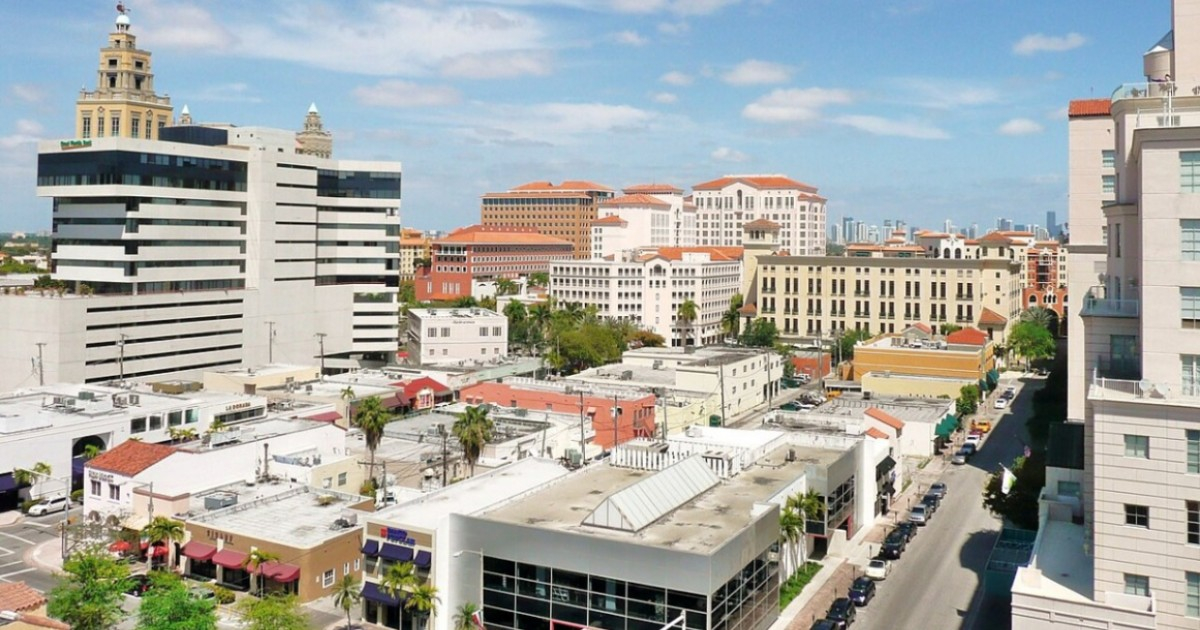
In September 2026, rental rates in the Miami-Dade area experienced a 2.0% year-over-year increase, reaching $2,669 per month, significantly outpacing the national average increase of 0.7%. These statistics were released on Tuesday by MIAMI REALTORS + RWorld, with insights provided by chief economist Gay Cororaton using data from Yardi Matrix.
The rise in rental prices is not evenly distributed throughout the county. The most significant hikes are concentrated in the most sought-after submarkets where demand continues to exceed supply.
Coral Gables leads this upward trend with an 8.6% annual increase, followed by Miami Beach with a 6.2% rise and Downtown Miami with a 6.0% uptick.
Overall, rent prices climbed in 66% of South Florida's submarkets, indicating that the financial burden on tenants is expanding beyond just the premium neighborhoods.
Among the three major metropolitan areas in South Florida, the West Palm Beach-Boca Raton area saw the highest growth, with a 2.6% increase reaching $2,605, driven largely by Wellington's 6.1% rise.
In Fort Lauderdale, the average requested rent increased by 1.5% to $2,472, with Pompano Beach-South experiencing a significant 9.5% surge.
Contrasting with Miami's trends, several markets in the so-called Sun Belt are seeing declines: Orlando dropped by 0.1%, Nashville by 0.9%, Dallas by 1.0%, Phoenix by 1.1%, Tampa by 1.4%, Houston by 2.0%, and Austin by 2.5%.
Insurance Costs vs. Rent Prices: A Contrasting Landscape
The report highlights a paradox where, despite rising rents, the cost of property insurance for apartment buildings has plummeted: a 14.9% decrease in Miami-Dade to $1,321 per unit and a 17.5% reduction in Broward.
In broader terms, multifamily operators in South Florida saw a 16% reduction in insurance costs compared to the previous year, according to the same report. Unfortunately, this financial relief has not been passed on to tenants.
Several factors contribute to this discrepancy: property owners are using the savings to stabilize their finances after years of exorbitant premiums — multifamily insurance in Florida surged by 42.1% in 2023 alone; commercial building policies are not governed by the same rates as personal policies; and contract renewals do not occur immediately.
The Federal Reserve has documented that approximately 72% of a property insurance increase affects the owner's net income, and the reverse process — where savings reduce rent — is not automatic.
Challenges for Renters in Miami-Dade
For Cubans and other renters in the metropolitan area, the situation is challenging: with an individual average income of about $39,000 annually in Miami-Dade and a minimum wage of $15 per hour, paying $2,669 per month far exceeds the 30% income threshold that experts consider the affordability limit.
Nearly 60% of renter households in the metropolitan area were already spending more than 30% of their income on housing, according to data from the Federal Reserve Bank of Atlanta.
This report contrasts with data published in early October by Realtor.com, which showed a 2.29% decrease in the median rent in Miami-Dade to $2,900. The discrepancy arises because they measure different realities: the MIAMI REALTORS report reflects the asking rent in market-rate multifamily buildings, while Realtor.com measures the median rent of all housing types listed in the county.
Despite these challenges, investor confidence remains strong: loans for residential rental properties in South Florida reached $11.8 billion in the first three quarters of 2026, a 12% increase from the same period in 2025, suggesting that pressure on rents in the most coveted submarkets is unlikely to ease in the short term.
Understanding the Miami-Dade Rental Market
Why are rent prices increasing in Miami-Dade?
Rent prices in Miami-Dade are increasing due to high demand in popular submarkets like Coral Gables, Miami Beach, and Downtown Miami, where the supply of housing cannot keep up with the demand.
How does the drop in insurance costs affect renters?
Although insurance costs for property owners have decreased significantly, this reduction in expenses has not been passed on to tenants, as owners use the savings to stabilize finances after years of high premiums.
What challenges do renters face in Miami-Dade?
Renters in Miami-Dade face the challenge of high rental costs that far exceed the recommended affordability threshold, especially with average incomes being relatively low compared to monthly rent prices.