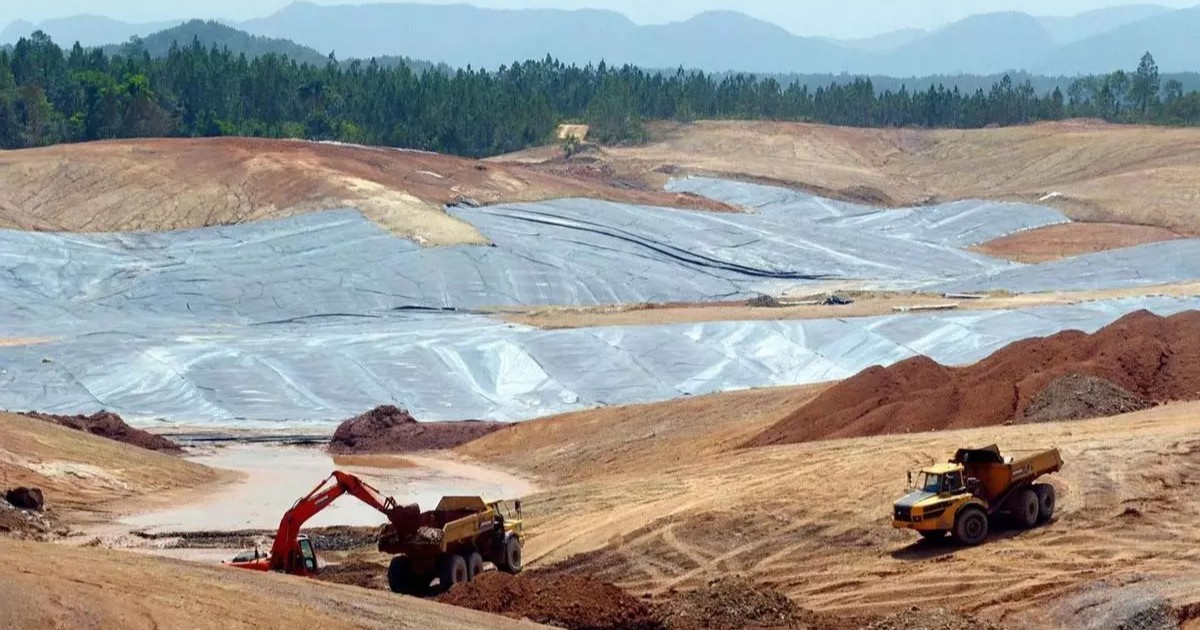
The Ministry of Energy and Mines (MINEM) in Cuba has announced the temporary halt of operations at the Polimetálicos Castellanos-Santa Lucía mine, situated in Minas de Matahambre, Pinar del Río's northern region. This decision, as reported by the state-run Radio Guamá, is formalized through Resolution 49 of 2026, published in the Official Gazette. The suspension impacts the joint venture Minera del Caribe S.A. (EMINCAR) and will remain in place until January 30, 2027.
The official resolution cites "logistical challenges, export difficulties, and energy shortages" as external factors that have necessitated the halt in mining activities and mineral processing. During the four-month suspension, EMINCAR is mandated to implement a maintenance and safety program in compliance with the Mining Act, Law 76.
Castellanos is a significant foreign investment project in Cuba's mining industry. Established in 2016, the joint venture involves the state-owned Geominera S.A., which holds a 51% stake, and the Netherlands-origin Trafigura, based in Singapore, with 49%. The project initially received investments estimated between $235 million and $300 million. The mine is equipped to produce approximately 100,000 tons of zinc concentrate and 50,000 tons of lead concentrate annually, all earmarked for the Chinese market.
The immediate cause for the operational halt was Trafigura's decision last June to cease zinc shipments from Cuba to China, citing pressure from U.S. sanctions. Trafigura stated its commitment to continue serving its clients "in compliance with applicable sanctions." Subsequently, on June 23, the Office of Foreign Assets Control (OFAC) added Geominera S.A. to its list of Specially Designated Nationals under Executive Order 14404, effectively freezing its assets under U.S. jurisdiction.
Since May 2026, a series of U.S. sanctions has severely impacted Cuba's mining sector. Canadian firm Sherritt International withdrew its direct involvement in Cuba following sanctions against Moa Nickel S.A. in May, and Australian company Antilles Gold significantly scaled back its operations after OFAC sanctioned Minera La Victoria S.A. in June. In August, further measures targeted Geominsal, Metalcuba, and the Comandante Ernesto Che Guevara Nickel Company.
Adding to external pressures is a deep-rooted energy crisis exacerbating the situation. Cuba produces only about 40,000 barrels of oil daily, far short of the required 100,000 barrels, and October 2026 saw an electricity deficit exceeding 1,700 MW, with power outages lasting over 20 hours a day in several provinces.
Simultaneously with Castellanos' closure, MINEM, through Resolution 52 of 2026, revoked the geological research concession previously granted to Empresa Geominera Pinar del Río in the Malcasado Clay area, also in Pinar del Río, opening the region for new mining applications.
The mining sector’s only recent respite occurred on October 21, when the U.S. exceptionally permitted the delivery of fuel to Sherritt's Moa facilities, although it has yet to authorize the resumption of nickel and cobalt production.
Impact of U.S. Sanctions on Cuban Mining Operations
Why did Cuba halt the operations at the Castellanos mine?
Operations at the Castellanos mine were halted due to logistical issues, export challenges, and energy shortages, all of which are attributed to external factors including U.S. sanctions.
How have U.S. sanctions affected the Cuban mining industry?
U.S. sanctions have led to the suspension of operations by foreign companies involved in Cuba's mining sector, such as the Canadian Sherritt International and the Australian Antilles Gold, impacting projects like Moa Nickel S.A. and Minera La Victoria S.A.
What are the expected outcomes of the temporary mine closure?
During the closure, EMINCAR is expected to carry out maintenance and safety procedures. The mine's production halt impacts Cuba's economy, particularly its export commitments to China.
Has there been any recent relief for the Cuban mining sector?
Yes, the U.S. recently allowed fuel deliveries to Sherritt's Moa facilities, although the production of nickel and cobalt has not been resumed.