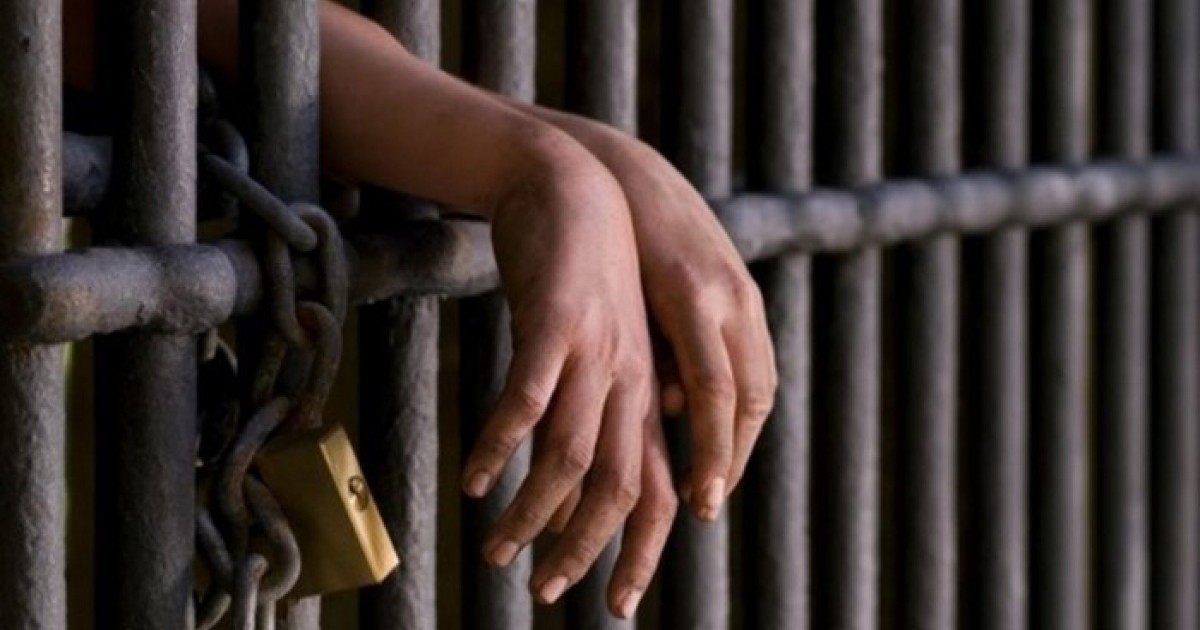
The human rights organization Cubalex reported on Monday the documentation of 18 incidents involving solitary confinement or isolation in Cuban prisons during the first 26 days of October 2026, as per the monitoring report released by the entity.
This figure places October as the third month of the year with the highest recorded incidents of this nature, following July—with 26 incidents—and April, with 23. The report highlights isolation as a common practice within the Cuban penitentiary system, rather than an isolated occurrence.
Throughout 2026, up until this Monday's report, 95 individuals have been documented in at least one incident related to solitary confinement in Cubalex's records. The organization clarifies that these figures stem from continuous monitoring and do not represent an official census. Moreover, the number of incidents alone does not indicate the continuous duration of isolation nor establish its legal qualification automatically.
Among those with the highest number of recorded incidents this year are Danisbel Labrada Morales and Fausto René Ramos Ramírez, each with nine incidents; Ediolvis Marín Mora with seven; Virgilio Mantilla Arango and Pedro Carlos Camacho Ochoa with six each; and Aliesky Calderín Acosta and Alexander Fábregas Milanés with five. All are political prisoners.
Cubalex points to potential prolonged isolation situations in the cases of Calderín Acosta, Labrada Morales, Ramos Ramírez, Mantilla Arango, and opposition figure Félix Navarro Rodríguez. However, it emphasizes the need for individual assessments considering actual conditions of confinement, available human contact, and each individual's health consequences.
Examining the Patterns of Solitary Confinement
The organization stresses that repeated incidents against the same individual help identify cases requiring increased scrutiny, verify possible punishment patterns, and document the conditions faced by those deprived of freedom.
The international framework for assessing these practices is the United Nations Standard Minimum Rules for the Treatment of Prisoners, known as the Nelson Mandela Rules. Rule 44 defines solitary confinement as the confinement of prisoners for 22 hours or more a day without meaningful human contact and considers it prolonged if it exceeds 15 consecutive days. Rules 43 and 45 prohibit indefinite and prolonged solitary confinement as a disciplinary measure, stipulating it should only be applied as a last resort, for the shortest possible time, and subject to independent review.
The October report fits into a documented trend throughout the year. Cubalex's semi-annual report, published in August, recorded 85 incidents of solitary confinement during the first half of 2026, within a total of 1,894 human rights violations—an increase of 48% compared to the second half of 2025.
In September, Cuban prisons were the focal point of documented repression: nearly half of the 298 repressive events that month impacted incarcerated individuals, and the disconnect between prisoners and their families reached a yearly peak, with nearly a week during which families of inmates in dozens of centers could not receive news from them.
On October 24, Cubalex released its first interactive list of political prisoners, documenting 679 individuals, while Prisoners Defenders recorded 1,351 political prisoners in Cuba as of the end of September.
Understanding Solitary Confinement in Cuban Prisons
What is the significance of the Nelson Mandela Rules?
The Nelson Mandela Rules provide international guidelines for the humane treatment of prisoners, defining solitary confinement and setting limits on its use to prevent human rights abuses.
How does Cubalex gather its data on solitary confinement?
Cubalex collects data through continuous monitoring, but it is not an official census. Their reports reflect incidents documented through their observation and outreach efforts.
Why is solitary confinement considered a human rights issue?
Solitary confinement is a human rights concern because it can lead to severe mental and physical health issues and violate basic human dignity, especially if used excessively or without justification.