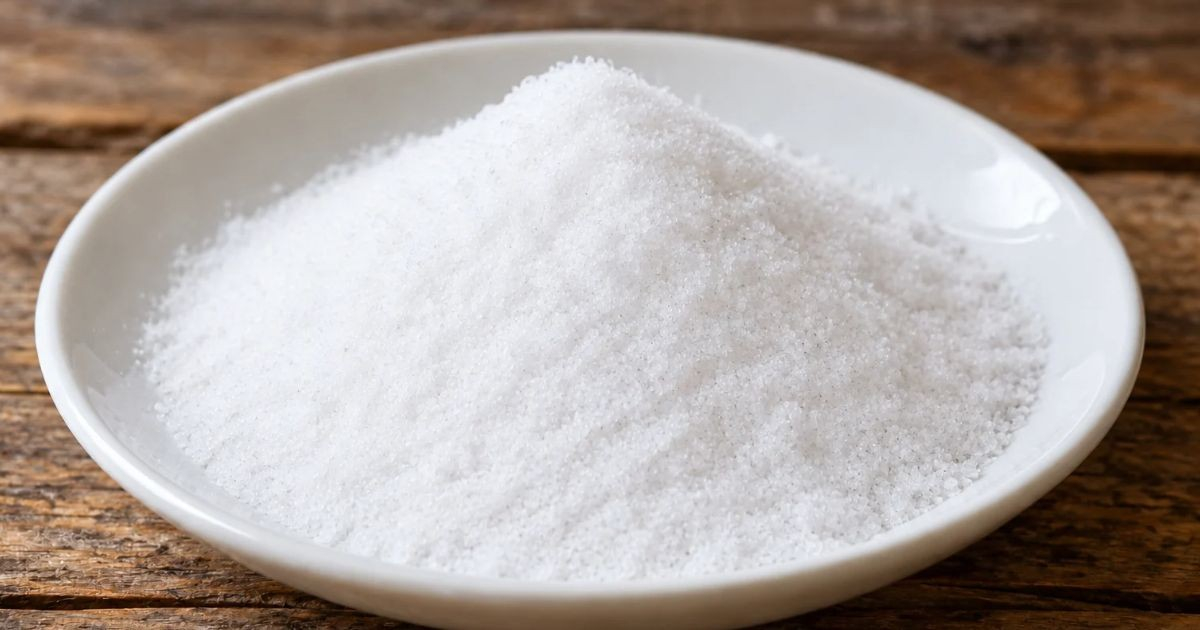
In Matanzas, health authorities have intensified inspections regarding the sale of both fine and coarse salt in the Martí municipality. This increased scrutiny arises from potential health risks linked to products originating from uncertified salt flats lacking proper quality control.
On Monday, the official newspaper Girón disseminated this information, sharing a statement from the Matanzas General Health Directorate. The statement detailed the surveillance efforts undertaken by experts from the Provincial Center of Hygiene, Epidemiology, and Microbiology, in collaboration with local health authorities.
These inspections targeted various commercial establishments to verify the salt's origin, traceability, and the sanitary conditions under which it is offered to consumers.
Concerns Over Uncertified Salt
Special focus was placed on salt sourced from non-certified facilities, where collection methods using sweeping and lack of quality controls might pose dangers to the public.
The statement from health specialists highlighted several risk factors associated with these products, such as potential impurities, heavy metals, microbiological contamination due to excessive moisture, and deficiencies in iodization.
Authorities also pointed out the lack of information concerning the origin and packaging dates of certain marketed salts, complicating efforts to verify their compliance with health standards.
Government Response and Public Advisory
Details about the specific establishments inspected, the salt suppliers, quantities examined, or any administrative actions taken remain undisclosed.
The General Health Directorate assured that, following the surveillance actions, the epidemiological and health situation in the municipality remains stable.
No reports of illness or outbreaks related to the investigated products have been made public thus far.
In response to circulating unverified information, authorities urged the community to stay calm, avoid spreading rumors, and rely on official health system channels for updates.
The primary recommendation is to refrain from consuming salt of unknown origin or lacking required health guarantees.
Challenges in Salt Production and Distribution
This alert underscores the importance of distinguishing between various salt products available in the market.
Informative materials from the Ministry of Domestic Trade (MINCIN) categorize different salt types, including iodized fine salt for human consumption, coarse salt, salt for animal consumption, and seasoned varieties. However, these classifications do not clarify which types were under investigation in Martí or if any specific variety was contaminated.
Information graphics also detail regulated distribution mechanisms based on family composition and access to the product through commercial outlets.
The iodization process, highlighted in the health statement, remains crucial. Iodine is essential for the thyroid gland's functionality, and its addition to table salt is a preventive measure against related deficiencies.
The alert emerges amid ongoing challenges in Cuba's salt production and distribution. In August, a video revealed manual salt collection in La Marcelina, Ciego de Ávila, utilizing traditional methods, sparking discussions about supply difficulties and working conditions in this vital food-related sector.
Broader Health Concerns in Cuba
Warnings about the sale of food without necessary guarantees have recent precedents in other Cuban provinces. On August 21, Mayabeque health authorities warned against consuming oil sold at the El Rodeo Fairgrounds, as tests showed it was crude vegetable oil intended for animal feed.
The province's Public Health Directorate explicitly advised the public against consuming the product, although details about the amount sold, its availability duration, and market withdrawal were not disclosed.
Unlike the preventive measures now announced in Martí, this case included test results on a specific product.
Additionally, in September, Matanzas faced a food poisoning outbreak affecting 29 individuals, including 22 minors, in Pedro Betancourt. This incident was linked to food prepared at a local establishment, prompting medical attention and epidemiological investigations.
Authorities reported no severe or critical patients and later confirmed all affected individuals had been discharged.
Key Questions About the Salt Health Alert in Matanzas
What prompted the health inspections in Matanzas?
The health inspections were initiated due to potential risks associated with salt from uncertified sources, which may lack proper quality controls.
What are the risks associated with uncertified salt?
Risks include the presence of impurities and heavy metals, microbiological contamination due to excess moisture, and deficiencies in iodization.
How should the public respond to the salt alert?
The public is advised to stay calm, avoid spreading rumors, and refrain from consuming salt of unknown origin or without health guarantees.