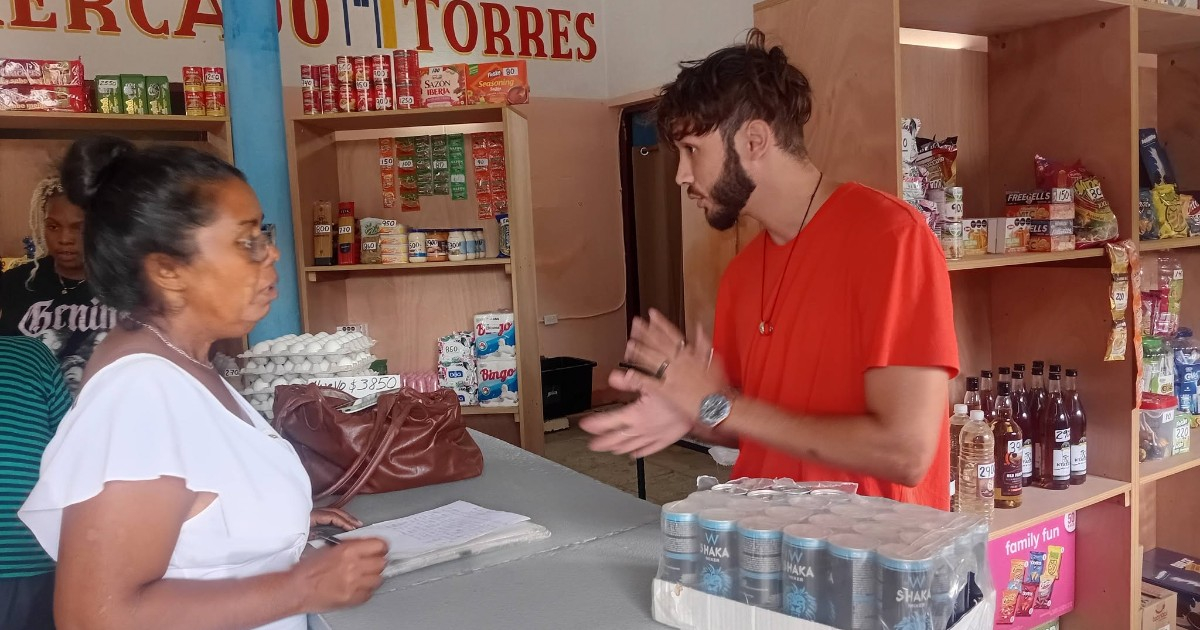
In Mayabeque province, health and inspection authorities have mandated an immediate cessation of sales for Shaka and other alcoholic energy drinks in San Nicolás and Güines municipalities. This decision comes in response to the serious health hazards these beverages pose, particularly to adolescents and young adults.
Journalist Milay Vega from Radio Mayabeque reported that the Municipal Administration Council of San Nicolás established a multidisciplinary task force. This group, comprising Commerce inspectors, health inspectors, and representatives from the State Inspection Directorate, is tasked with visiting stores, warehouses, and self-employed vendor locations to enforce the ban and seize existing stocks.
Non-compliance will result in severe repercussions. Private sellers continuing to offer Shaka 24 hours after official notification risk fines, product confiscation, and potential legal action under a health provision decree that prohibits the sale of such drinks.
In Güines, similar measures were led by municipal vice-intendant Damaris Gómez Amador alongside Dr. Lisandra Estanquero Ortega, the territory's Director of Hygiene and Epidemiology. The team visited private businesses such as Dulce Delicia, CasaTorres, DKAYTA, and ARCENTER. The brands confiscated extend beyond the original Shaka to include Shaka Mixer, Shaka Wiski, Pardus, Havik, Vodka Energy, Eko Mik, Chakal, and Enerdrink Evolution, among others.
“The collaborative effort ensures these regulations are monitored and enforced in locations where the products were available. Actions in Güines involve halting sales in response to the increasing consumption by adolescents and young people nationwide," stated Gómez Amador.
Additionally, journalist and online commentator Christian Arbolaez reported that inspectors in Santa Marta, Cárdenas municipality in Matanzas, have also begun confiscating the energy drinks from shops. However, this information has yet to be confirmed by official authorities.
The danger of Shaka lies in its composition: it contains 18% vodka mixed with caffeine, taurine, added sugars, and flavorings, all packaged in 250-milliliter cans. Dr. Estanquero Ortega warned that the product can cause headaches, vomiting, sweating, fatigue, and intoxication, with caffeine potentially leading to life-threatening behaviors.
Intoxication symptoms initially include euphoria and a sense of stimulation but can escalate to irritability, agitation, excessive sweating, and increased blood pressure. In severe cases, individuals may end up in emergency care in a coma, experiencing seizures, or suffering from acute myocardial infarction. The drink is also unsuitable for diabetics, harms the digestive system due to carbon dioxide, and can hinder physical development during adolescence.
Dr. Alejandro Mestre Barroso, a toxicologist from the Las Tunas Provincial Drug Observatory, explained the risk mechanism: one can of Shaka is equivalent to three or four beers in terms of alcohol content, yet the caffeine masks the effects of intoxication.
"Adolescents, in particular, feel so excited that they don't realize they're drunk. They might consume one, then two, then three," he cautioned. "Once the alcohol's effects take over, blood alcohol levels can reach 150 milligrams per deciliter, potentially leading to alcohol-induced coma."
"It's not an energy drink. It's an alcoholic beverage with caffeine and purines. That's the conceptual change that needs to be made," he concluded.
The measures in Mayabeque are part of a wave of alerts sweeping the island since August. That month, five youths aged 18 to 22 were hospitalized in Sancti Spíritus due to Shaka-related intoxications; one arrived in a coma and required mechanical ventilation for 24 hours. In October, Villa Clara also pulled the product from state-run stores, although it remains available in private businesses for around 1,000 Cuban pesos.
Understanding the Health Risks of Shaka and Similar Drinks
Why have authorities banned the sale of Shaka in Mayabeque?
The sale of Shaka has been banned due to its dangerous health effects, especially among adolescents and young adults, as it contains high levels of alcohol and caffeine which can lead to serious intoxication and health risks.
What are the health risks associated with consuming Shaka?
Shaka can cause headaches, vomiting, excessive sweating, fatigue, and even lead to life-threatening situations such as coma, seizures, or heart attacks due to its high alcohol content masked by caffeine.
What measures are being taken to enforce the ban?
Authorities have formed multidisciplinary task forces to visit and inspect stores and vendor locations, confiscate stocks, and ensure compliance with the ban. Violators face fines, product confiscation, and possible legal action.