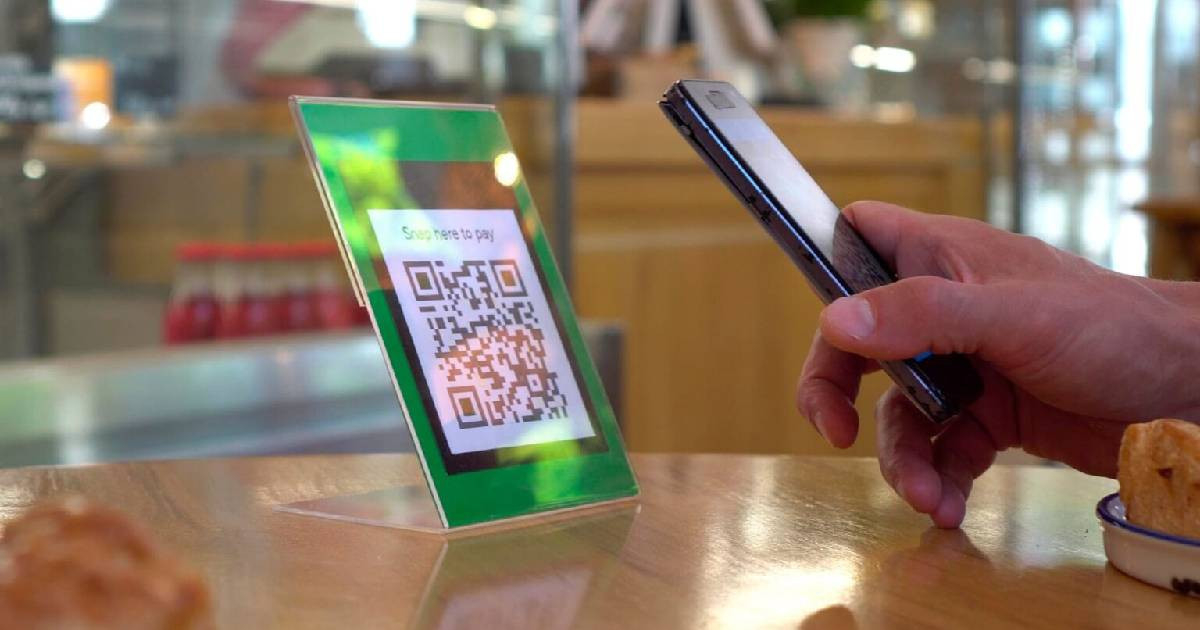
In an effort to enforce electronic payment acceptance, authorities in Santiago de Cuba have declared fines ranging from 16,000 to 100,000 Cuban pesos for businesses that reject bank transfers and other digital payment methods. This control initiative will begin in three commercial areas of the city.
The Administrative Council has set up command posts to oversee adherence to these regulations in both state and private establishments, according to the official newspaper Sierra Maestra, published on October 23. The plan includes conducting inspections, reviewing cost and pricing documentation, and facilitating consumer complaints through phones and digital platforms if electronic payments are declined.
The Legal Basis for New Enforcement Measures
Georbelis Iznaga Tomás, vice-mayor of the Administrative Council, stated that these actions are grounded in legal provisions approved since 2023, which include regulations from the Ministry of Internal Trade and the Central Bank of Cuba pertaining to banking practices. Therefore, these penalties aren't newly created but rather a reinforcement of existing obligations.
Initially, these controls will take place on Avenida de Sueño, the street behind the 18-story buildings of Garzón, and Avenida Trocha—key commercial areas in Santiago de Cuba. "This will be a pilot control, organized in these three locations first, and then we'll explore expanding this measure elsewhere," explained Iznaga Tomás.
Uniform Application Across Business Sectors
The obligation to accept digital payments applies to both private entrepreneurs and state-run enterprises. "There are no exceptions; this rule is universal," Iznaga Tomás affirmed. Businesses must accept all forms of electronic payment available under current regulations, including Transfermóvil, EnZona, Mi Monedero, and online payments. Accepting just one platform while rejecting others is insufficient under the law.
He further criticized practices like charging extra fees for electronic transactions or setting dual pricing for cash and digital payments, calling such behaviors illegal and potentially criminal, though no specific penalties were detailed in the report.
Incentives for Embracing Digital Transactions
To encourage digital banking, updated resolutions offer a 4% discount to buyers using electronic channels and a 2% benefit to sellers. However, these figures should be seen as part of the general guidelines and not universally applicable discounts.
Some merchants argue that withdrawing money from bank accounts for restocking goods is challenging, but Iznaga Tomás dismissed this, attributing it to reluctance in using electronic operations. According to him, businesses can coordinate with banks to manage their cash needs effectively.
Challenges and Criticisms
Despite these claims, liquidity issues persist, impacting both merchants and consumers across different provinces. A July report from the state press highlighted 23 refusals to accept transfers in Alamar, Havana, citing electronic payment complications.
Santiago de Cuba authorities believe the refusal to accept digital payments could also be linked to tax evasion, as electronic transactions provide a clear record of income. The vice-mayor also announced that the new controls would examine pricing mechanisms, although no universal price cap is enforced.
These inspections follow earlier sanctions in August against small businesses for failing to enable electronic payments, as reported by independent journalist Yosmany Mayeta Labrada. Merchants expressed concerns about the contradiction of requiring electronic income while suppliers demand cash payments.
President Miguel Díaz-Canel acknowledged on October 7 that not everyone has the technology to use digital platforms and admitted that power outages disrupt banking services. Nonetheless, Santiago de Cuba continues to push for widespread acceptance of electronic payment systems.
Iznaga Tomás emphasized that ongoing supervision is necessary to ensure compliance, noting that economic crises often correlate with moral ones. The current command posts will operate initially in three commercial zones, with potential expansion unannounced.
Key Questions About Santiago de Cuba's New Payment Regulations
What are the penalties for not accepting electronic payments in Santiago de Cuba?
Businesses that refuse electronic payments may face fines between 16,000 and 100,000 Cuban pesos.
Which areas in Santiago de Cuba are first implementing these controls?
Controls will initially be enforced in Avenida de Sueño, the street behind Garzón's 18-story buildings, and Avenida Trocha.
Are there incentives for businesses to accept electronic payments?
Yes, updated resolutions offer a 4% discount for buyers and a 2% benefit for sellers using electronic payment channels.