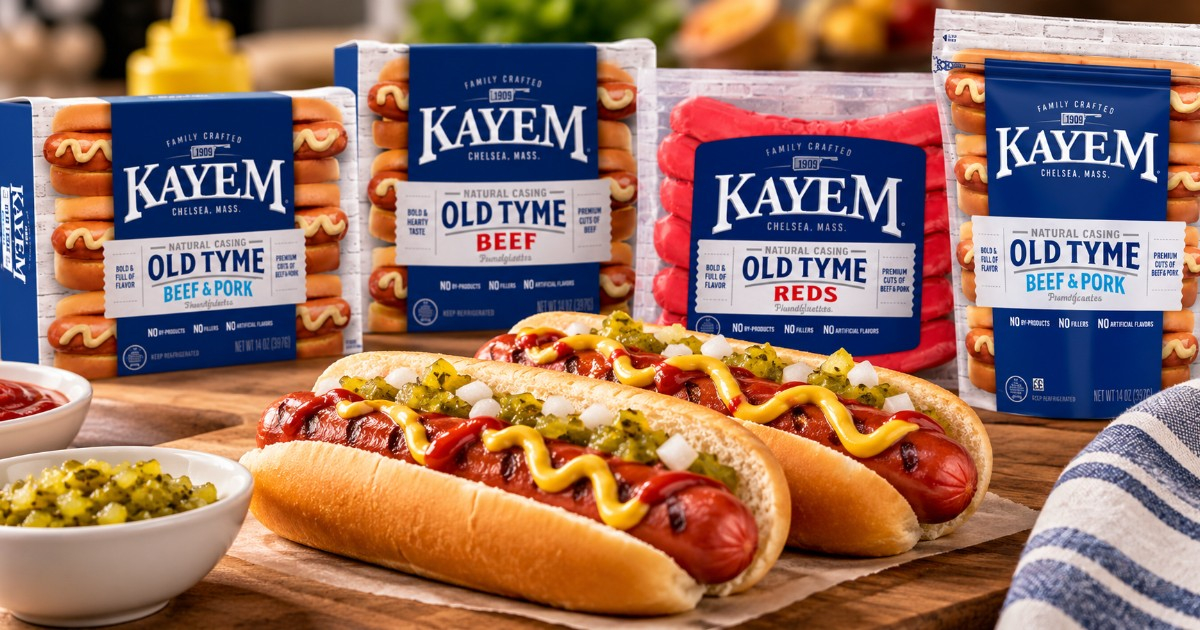
Kayem Foods Inc. has initiated a voluntary recall of approximately 1,584,361 pounds of ready-to-eat meat and poultry products distributed across the United States. This action follows the discovery of a malfunction in the cooling system at one of their warehouses, which resulted in the products being exposed to improper temperatures.
The U.S. Department of Agriculture's Food Safety and Inspection Service (FSIS) has classified this recall as Class I, indicating a high risk of serious health consequences from consuming the affected items.
The issue came to light on October 1 when a retail customer complained about receiving products that were not at the appropriate temperature.
An internal investigation by Kayem Foods revealed that the cooling system failure occurred between June 7 and October 14, 2026, leading to temperature deviations for the stored products.
The recall was announced by the company on October 16, with the FSIS making it public the following day. The affected products were manufactured between March 31 and October 7, 2026, and were shipped to retailers, food service establishments nationwide, and even to Hong Kong.
Consumers can identify recalled products by checking for the USDA inspection mark with establishment numbers EST. M/P 7839, EST. P 20935A, or EST. M 9520. A complete list of brands, descriptions, UPC codes, and lot numbers is available on the FSIS's official website.
Brands and Products Impacted by the Recall
The recall affects brands such as Kayem, Al Fresco, McKenzie, Triple M, Deutschmacher, Jordan's, Genoa, Essem, and Winnisimmet St. Butchery. The types of products include hot dogs, frankfurters, bacon, ham, turkey breast, bologna, liverwurst, corned beef, smoked brisket, kielbasa, bratwurst, chicken sausages, and meatballs.
Given the nationwide distribution, households in Florida, including the Miami area, may have affected products in their refrigerators. Publix is one of the state's chains that carries Kayem products, although the official notice has yet to release a comprehensive list of specific stores that received the compromised batches.
Health Risks and Safety Recommendations
The FSIS warns that some products might still be in consumers' refrigerators and advises against consuming them under any circumstances. These items should be discarded or returned to the place of purchase. No illnesses linked to the consumption of these products had been confirmed at the time of the official announcement.
The danger with the affected products is that they are ready-to-eat and do not require additional cooking. When kept outside the safe temperature range, they can promote the growth of pathogens like Listeria monocytogenes, which poses significant health risks to pregnant women, individuals over 65, and those with compromised immune systems.
Matt Monkiewicz, President and CEO of Kayem Foods, acknowledged the issue, stating, "Our leadership team takes full responsibility. We have learned from the problem, corrected it, and will not allow it to happen again."
Consumers with questions can reach Kayem Foods' customer service at 800-426-6100 or email info@kayem.com, Monday through Friday from 7:30 a.m. to 4:00 p.m. (Eastern Time). Additionally, the USDA's toll-free Meat and Poultry Hotline is available at 888-674-6854. A detailed retail distribution list will be published on www.fsis.usda.gov/recalls once available.
Frequently Asked Questions About the Kayem Meat Recall
What triggered the recall of Kayem Foods products?
The recall was triggered by a malfunction in the cooling system at a Kayem Foods warehouse, which resulted in products being stored at improper temperatures, leading to potential health risks.
How can consumers identify if their products are part of the recall?
Consumers should check the USDA inspection mark on their products for establishment numbers EST. M/P 7839, EST. P 20935A, or EST. M 9520. A complete list of affected products is available on the FSIS website.
What should consumers do if they have recalled products?
The FSIS advises consumers to either discard the affected products or return them to the place of purchase. Under no circumstances should they be consumed.
Are there any reported illnesses related to the recall?
As of the official announcement, there have been no confirmed reports of illnesses associated with the consumption of the recalled Kayem Foods products.