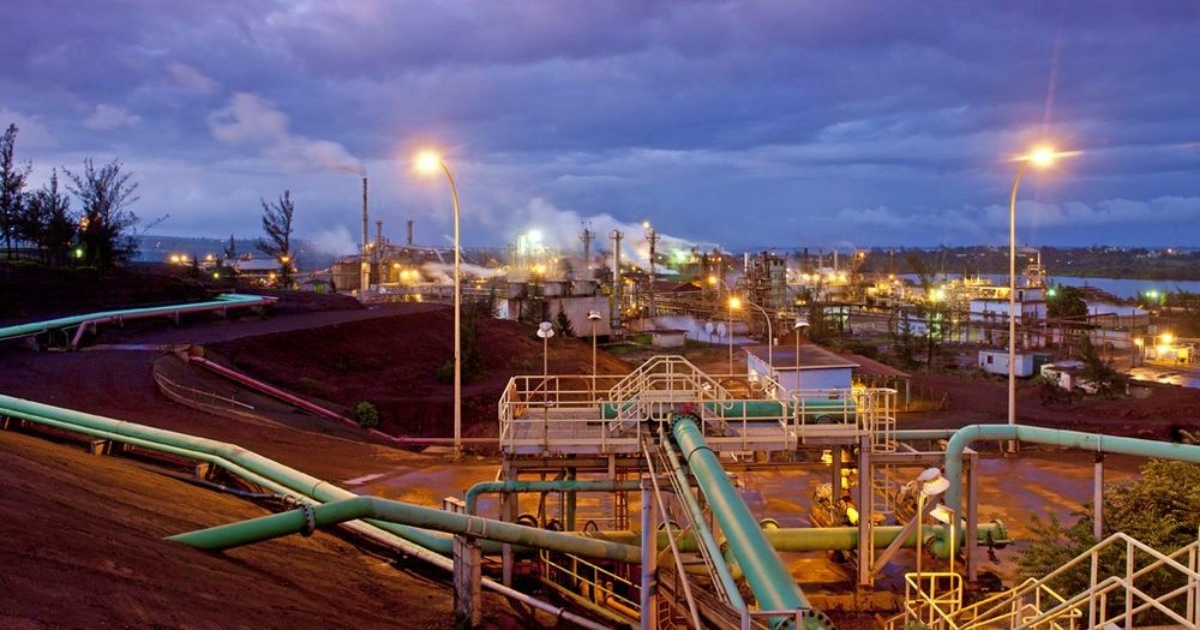
The United States government has granted a special exemption allowing the delivery of fuel and other supplies to the nickel and cobalt mining facilities in Moa, Holguín. These are operated by Canadian company Sherritt International in partnership with the Cuban state, despite the sanctions imposed by the Trump administration.
This authorization was issued by the Office of Foreign Assets Control (OFAC) within the U.S. Department of the Treasury. It enables the purchase, transportation, and delivery of fuel, fuel oil, and sulfur necessary for mining operations.
Sherritt announced on Tuesday, October 20, that this license is the initial step in a process that might allow the resumption of its activities in Cuba, which have been on hold since May due to the tightening of U.S. sanctions.
Current Limitations and Future Prospects
However, the current permission does not yet permit the restart of nickel and cobalt production. Sherritt still needs to acquire a second emergency license from Washington, which remains under negotiation.
The OFAC license allows the essential commercial operations needed to supply Moa Nickel, the entity associated with the mining complex that Sherritt co-manages with Cuba's General Nickel Company, with the required resources. Additionally, it safeguards authorized transactions involving banks, maritime operators, insurance companies, and other suppliers engaged in the supply chain.
Details and Implications of the Authorization
The Canadian mining company is already organizing its first shipment, anticipated for the last quarter of 2026. However, the specific amount of permitted fuel, its origin, the supplier, or the exact date of arrival in Cuba remains unspecified.
This authorization does not represent a comprehensive lifting of U.S. sanctions nor does it allow the extension of supplies to other sectors of the Cuban economy. Sherritt hopes that the fuel will meet essential needs at its facilities and prepare the groundwork for a potential restart.
Furthermore, the company aims to resume production at its refinery in Fort Saskatchewan, Alberta, Canada, where part of the material from Moa is processed.
Agreements and Financial Challenges
In a related development, Sherritt has reached an agreement with Moa Bay Mining Co., which holds a certified U.S. claim over mining properties confiscated by the Castro regime in 1960. On September 23, both companies signed a provisional agreement allowing Moa Bay Mining to accept fuel shipments to Cuban facilities in exchange for payments, which Sherritt or third parties will cover.
Moa Bay Mining has also agreed not to file lawsuits under the Helms-Burton Act against those participating in the authorized supplies. OFAC granted an additional authorization to facilitate this agreement, significant because the Moa mining facilities are linked to properties nationalized during the early years of the Cuban Revolution.
This certified claim amounts to approximately $88.3 million, excluding accrued interest. Sherritt has not disclosed the payment amount or whether the agreement involves future negotiations over the confiscated properties.
Investment and Negotiation Dynamics
The license was obtained in collaboration with Gillon Capital, a U.S. investment firm associated with Texas businessman Ray Washburne, who served as head of the Overseas Private Investment Corporation during Donald Trump's first term. In May, Sherritt announced negotiations with Gillon Capital for a deal that would allow the U.S. firm to acquire a 55% controlling interest in the Canadian miner.
Sherritt has confirmed that the license applications to OFAC were prepared and submitted in close coordination with this prospective investor. According to the statement, Washington issued the fuel permit while both parties continue to seek the necessary authorizations for a broader financial venture.
If successful, this agreement would mark the entry of U.S. capital into the Canadian company, which has maintained a mining partnership with the Cuban state for over three decades. The company acknowledges ongoing severe liquidity issues, requiring further funding to meet its obligations to suppliers and creditors. It also warns of significant uncertainty regarding its operational continuity without recapitalization.
Frequently Asked Questions About Sherritt's Fuel Supply to Cuba
What does the OFAC license allow Sherritt to do?
The OFAC license permits Sherritt to conduct necessary commercial operations to supply Moa Nickel with fuel, fuel oil, and sulfur, safeguarding transactions for banks, maritime operators, insurance companies, and suppliers involved.
Does the authorization lift U.S. sanctions on Cuba?
No, the authorization does not lift U.S. sanctions on Cuba nor does it allow the extension of fuel supplies to other sectors of the Cuban economy.
Who is Gillon Capital and how are they involved?
Gillon Capital is a U.S. investment firm associated with Ray Washburne. They are involved in negotiations with Sherritt to potentially acquire a controlling interest in the company and played a role in preparing the license applications to OFAC.