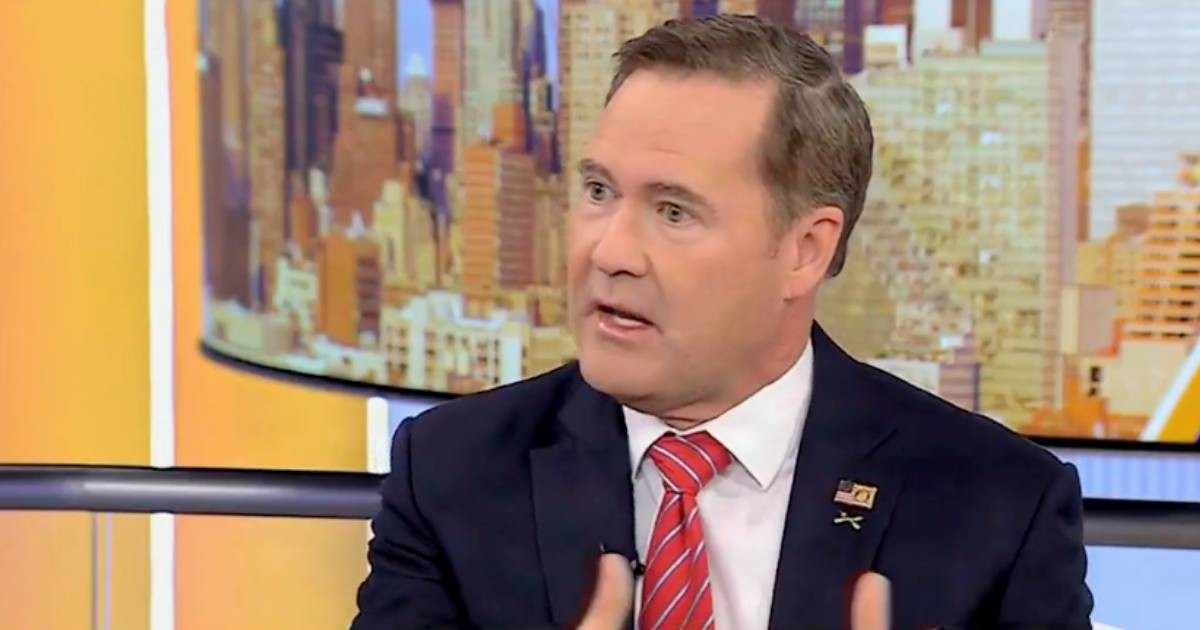
On Tuesday, U.S. Ambassador to the United Nations, Mike Waltz, expressed unwavering support from Washington for the Cuban populace while calling out the regime’s manipulative strategies at the UN. During an appearance on Fox & Friends, he highlighted the conclusions drawn from a forum held a day earlier at the UN headquarters in New York.
This forum, titled "Cuba Libre: The Oppression Havana Hides," was organized by the U.S. Permanent Mission to the UN and featured former Cuban political prisoners who spoke out against the regime's repression to the international diplomatic community.
"Cuba loves to play the victim at the UN while its communist leaders live in luxury and its people suffer in darkness. The United States stands with the Cuban people and their dreams of freedom and prosperity," Waltz shared on his social media platform X, accompanying a clip from his television segment.
During the interview, the ambassador was forthright: "Every year, the regime comes here playing the victim. They push resolutions about an alleged blockade on Cuba. There is no blockade. There is no ring of warships."
Waltz highlighted the stark contrast between the lives of Cuban officials and the harsh realities faced by the public: "People are starving, experiencing blackouts, yet regime officials live lavishly across Europe and Latin America. There's no fuel on the island, but there is for their private jets and residences."
One of his most pointed criticisms targeted the regime's energy priorities: "Electricity powers Cuban and Chinese intelligence facilities, but not hospitals."
Voices of Former Political Prisoners
The forum featured testimonies from individuals like José Daniel Ferrer, former head of UNPACU, who recounted his over 12 years in Cuban prisons, including nine years in isolation, and revealed that regime officials offered to suspend his sentence if he publicly supported the government.
Other participants included Luis Manuel Otero Alcántara, an artist and activist released after five years in prison and exiled in July 2026; researcher María Werlau; analyst Emilio Morales; Republican Congresswoman Nicole Malliotakis; and Ukraine’s UN representative, Volodimir Pavlichenko.
Cuban Regime’s Retaliation
The regime's response was swift, as Cuban diplomats staged a protest in the UN corridors, shouting "terrorists" and "out of the UN" at the panelists. Waltz described the scene: "We witnessed the shouting, the outbursts. We saw Cuban regime officials trying to intimidate and film those leaving our forum."
Cuban ambassador to the UN, Ernesto Soberón Guzmán, dismissed the event as a "politically motivated stunt" and attempted to block it by citing internal organizational rules. Waltz countered that if the Cuban government was bothered by the accusations, it should "stop the repression."
Shifting U.S. Stance at the UN
Waltz emphasized the shift in Washington’s stance at the multilateral organization: "The UN used to be their stronghold. Not anymore, not with this administration. We are pushing back on this propaganda."
The forum and Waltz’s comments come just days before the annual UN General Assembly vote on a resolution calling for an end to the U.S. embargo on Cuba, scheduled for October 27 and 28.
In 2025, the resolution received 165 votes in favor, the lowest in over a decade, compared to 187 in 2024. By July 2026, it secured only 136 votes to initiate an extraordinary debate, signaling the regime’s growing diplomatic isolation.
Understanding U.S. Support for Cuban Freedom
Why does the U.S. support the Cuban people?
The U.S. supports the Cuban people in their pursuit of freedom and prosperity, opposing the oppressive actions of the communist regime that deprives citizens of their rights and living standards.
What actions has the U.S. taken at the UN regarding Cuba?
The U.S. has actively organized forums and spoken out against the Cuban regime’s human rights abuses at the UN, challenging the regime's narrative and highlighting the plight of the Cuban people.
How has the Cuban regime responded to U.S. actions at the UN?
The Cuban regime has attempted to dismiss U.S.-led initiatives as politically motivated and has engaged in disruptive actions at the UN to undermine U.S. efforts to expose its repressive practices.