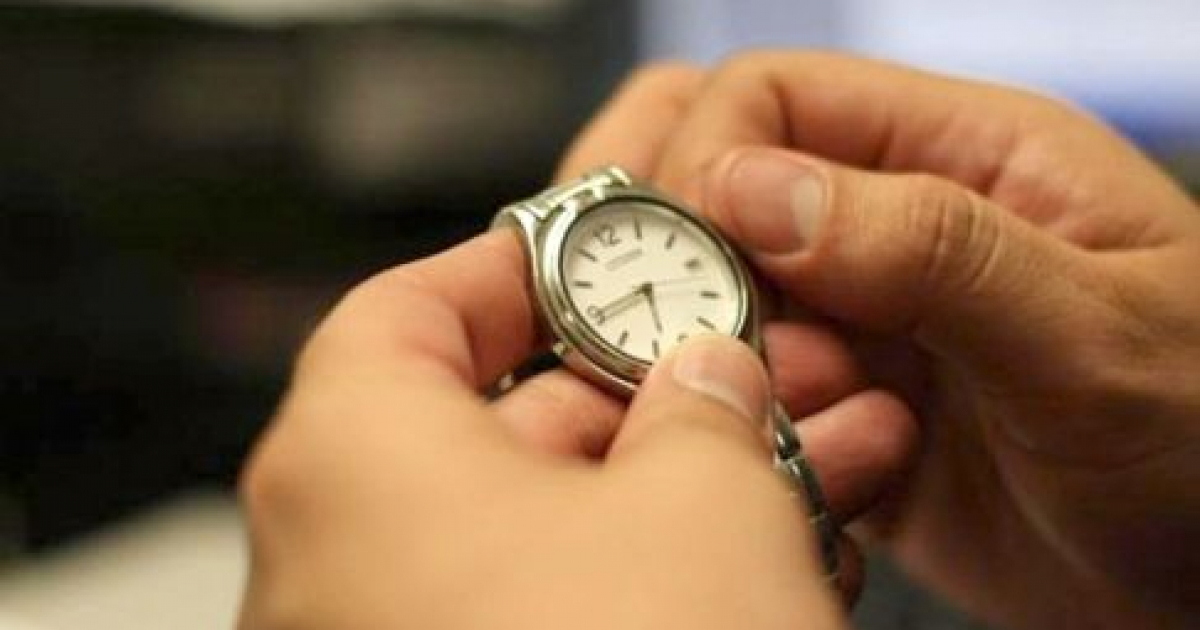
Both Cuba and Florida are gearing up to adjust their clocks on Sunday, November 1, 2026. This marks the end of Daylight Saving Time as both regions will turn their clocks back by one hour. Despite the shifts occurring at different times during the early hours, Miami and Havana will maintain the same time once the changes are completed.
According to the official calendar from the U.S. National Institute of Standards and Technology (NIST), the time change in Miami is scheduled for 2:00 a.m. on Sunday, November 1. At this point, clocks will be set back to 1:00 a.m., granting residents an extra hour that night.
This transition signifies the end of Daylight Saving Time, which has been in effect since March 8. As a result, mornings will have earlier sunrises, but evenings will see earlier sunsets.
The clock adjustment will affect various cities, including Miami, Hialeah, Doral, Homestead, Orlando, Tampa, Jacksonville, Fort Myers, and Naples, among others.
Florida's Unique Time Zone Situation
Florida presents an interesting case: not all of the state operates under the same time zone. While most cities are in the Eastern Time Zone, areas in the far northwest like Pensacola are on Central Time.
Cuba's Time Change Confirmation
In Cuba, the time adjustment has been confirmed by government authorities. Since February 26, the Havana government announced that Daylight Saving Time would conclude on November 1, 2026, requiring citizens to set their clocks back by one hour to return to standard time. This information was echoed in March by official media such as Juventud Rebelde, which linked the application of Daylight Saving Time to better utilization of sunlight and energy conservation.
In Cuba, the adjustment will take place at 1:00 a.m., with clocks being set back to midnight. Those who need to work during the early hours of Sunday, have scheduled flights, or important appointments should pay close attention to this change to avoid any confusion.
Why Does Florida Still Change the Clocks?
Despite attempts by Florida to eliminate the biannual time changes, federal regulations have kept the practice in place. In 2018, Florida passed the Sunshine Protection Act, aiming to make Daylight Saving Time permanent. However, its implementation depends on the U.S. Congress amending federal law to allow states to adopt this schedule year-round.
On October 3, former President Donald Trump publicly urged Republican Senator Tom Cotton to support legislation that would abolish the biannual clock changes. The proposal seeks to maintain Daylight Saving Time throughout the entire year, thus sparing Americans the hassle of adjusting their clocks every spring and fall. However, unless federal legislation changes, Florida will continue following the standard national schedule.
FAQs on Daylight Saving Time in Cuba and Florida
When does Daylight Saving Time end in Cuba and Florida?
Daylight Saving Time ends on Sunday, November 1, 2026, for both Cuba and Florida.
Why does Florida still change the clocks twice a year?
Despite efforts to abolish the practice, federal regulations require Florida to continue the biannual clock changes. The Sunshine Protection Act was passed in 2018, but its implementation awaits federal approval.
What time does the clock change occur in Miami?
In Miami, the clock change occurs at 2:00 a.m. on November 1, with clocks set back to 1:00 a.m.
How does the time change impact daily life?
The end of Daylight Saving Time results in earlier sunrises and earlier sunsets, affecting daily routines and energy usage.