In a recent neighborhood meeting at a 20-story building near the Cuban Communist Party's Central Committee in Havana's Plaza de la Revolución, residents received a warning that extended beyond preparations for a potential war. According to a local resident, a regime representative emphasized that banging pots and pans—a form of protest—should only occur within one's home.
A Facebook user named Eduardo Chibás shared details on Saturday, based on an account from a neighbor who attended the meeting. The gathering reportedly took place that same day.
According to the account, residents living on the higher floors would need to move to the building’s basement if a war alarm is activated. However, the basement lacks the capacity to accommodate all inhabitants, prioritizing children and the elderly, who should bring essential items like medications and water.
The aspect that caught Chibás' attention was a regime representative's statement, asserting that while citizens have the right to make noise with pots, it should be confined to their homes. "It seems anecdotal, but I don't think so," Chibás noted, interpreting this as the government setting rules to suit its needs in an increasingly critical situation. "They're setting the stage for a worsening scenario... Believe it, it's going to get worse," he added.
In Cuba, the reference to pots holds significant weight, as banging them has become a way to voice frustration over long blackouts and daily hardships.
In June, the Cuban Conflict Observatory recorded 107 street protests, the highest for that month, with 82 occurring in Havana.
In response to protests over the power crisis, Cuban leader Miguel Díaz-Canel urged citizens in early July to "bang the pots for the neighbors in the North, who are responsible for these blackouts." By blaming Washington for the outages, he redirected public grievances over electricity shortages toward the U.S. government.
Chibás' post sparked skepticism about the official narrative of an external threat. "It's not the first time they've manufactured a 'critical situation' of imminent attack to divert attention," one user commented. Another summed it up as "Bread and circus."
A third commenter questioned the psychological impact of the foreign threat narrative on the populace. "That's to scare people. Make them feel they owe something. That the enemy is the Americans," they wrote.
The warning about casseroles also drew direct criticism. "Right to bang pots inside their homes? That sounded strong," one user remarked, noting the contradiction between acknowledging the right and limiting it to private spaces.
The account of the meeting is based on a neighbor's report, not a recording or direct participation by Chibás. Despite this, the post highlights concerns extending beyond evacuation planning to whether war preparations include warnings on how and where citizens can express their dissatisfaction.
The neighborhood meeting fits into the Year of Preparation for Defense 2026, under the doctrine of the War of All the People. Throughout the year, the government has conducted nearly weekly military drills.
In Camagüey, evacuations were practiced in response to hypothetical bombings, involving assembling and disassembling rifles. Meanwhile, in Jatibonico, Sancti Spíritus, landmines were placed, and reservists mobilized for a simulated enemy landing.
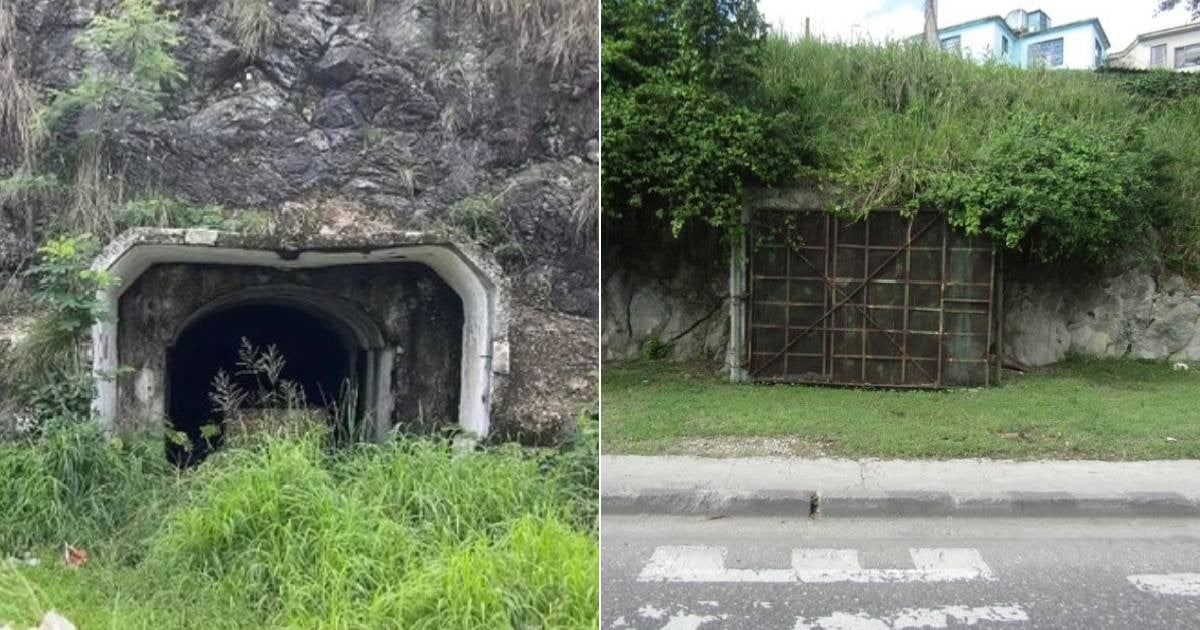
In Havana, Díaz-Canel has inspected defense zones almost every Friday. Earlier in September, he urged Havanans to learn how to protect themselves in basements and tunnels, stating during a visit to the Arroyo Arenas Defense Zone in La Lisa that Cuba has increased its military and defense invulnerability.
Understanding Havana's Preparedness and Protests
What prompted the neighborhood meeting in Havana?
The meeting was held to discuss preparations in case of a potential war, emphasizing evacuation procedures and restrictions on public protests like banging pots and pans.
How are residents expected to respond to a war alarm?
Residents from higher floors should move to the basement, which prioritizes children and the elderly. They are advised to bring essential items such as medications and water.
Why are pot-banging protests significant in Cuba?
Banging pots has become a symbol of protest against long-standing blackouts and everyday struggles, reflecting public discontent with the government.
What are the government's claims about the blackout protests?
The government, led by Miguel Díaz-Canel, attributes the power outages to U.S. actions, urging citizens to direct their protest toward the Northern neighbor.