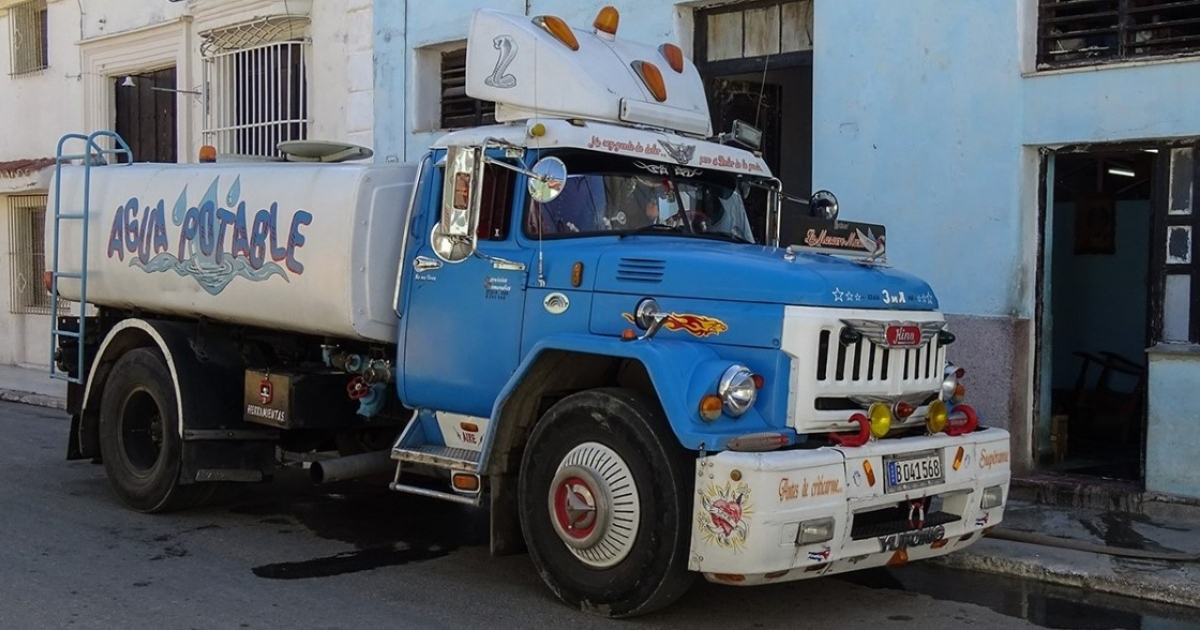
The city of Pinar del Río is grappling with a severe water crisis as seven pumping systems across its three main pipelines have broken down. Coupled with extensive power outages lasting over 16 hours a day, this has left the city nearly devoid of potable water. Many communities have gone between 67 days and over three months without piped water.
Roberto Capote Amador, head of Operations at the Basic Enterprise Unit for Waterworks and Sewerage in the municipality, acknowledged the severity of the situation in a statement to Radio Guamá on Saturday: "The water supply situation in the city of Pinar del Río remains very tense. The same equipment remains broken: two in the 20-inch pipeline, three in the 30-inch pipeline, and two in the 36-inch pipeline."
The 30-inch pipeline, which is the backbone of the system serving more than 60% of the population, is operating with only half of its pumps, drastically reducing water pressure to the city's higher areas.
Electricity Shortages Compound Crisis
The area known as Anillo 1 highlights the paradox of the collapse: there is accumulated water, but it cannot be distributed due to a lack of electricity. "Practically no water is being pumped due to the lack of power; the system is reaching a water level that could be distributed to some areas, but it hasn't been possible due to the power situation," explained Capote Amador.
Pumping stations have been without power from 4:00 p.m. until 8:30 a.m. the next day for two consecutive days, affecting all three pipelines. The Guamá dam, another critical system source, is also paralyzed by the outages and has a malfunction at its outlet.
Alternative Solutions Fall Short
Alternative distribution via tanker trucks provides little relief to residents. Capote Amador confirmed that the available fuel "is only enough to supply the hospitals, primarily": Pediatric Hospital, Psychiatric Hospital, Cuatro Viñales Nursing Home, the Third Congress, and Abel Santamaría are given priority, leaving residential areas without coverage.
This issue is not new. Residents of Calle Real in Pinar del Río reported more than 50 days without water at the beginning of October, and areas near the pediatric hospital reported up to 75 days without service. By the end of September, about 159,171 people in the province experienced disruptions in supply, with no municipal centers having electrically protected pumping stations.
A National Crisis in Microcosm
The Communist Party acknowledged in September that the same problems continued without sustained solutions, while the national electricity deficit on Saturday exceeded 2,042 MW, with only 758 MW available against a demand of 2,800 MW.
Pinar del Río's collapse is a microcosm of a national crisis: the regime itself admitted that 2.7 million Cubans—approximately 35% of the population connected to state networks—suffer from disruptions in access to potable water, according to data from the National Institute of Hydraulic Resources reported by EFE.
Authorities have not provided a repair schedule or concrete solutions. Capote Amador summed up the situation with a phrase that captures institutional helplessness: "We are waiting for some response, to see if there will be any improvement in the electrical situation. We still don't know if any pumping equipment will be incorporated."
FAQs on Pinar del Río’s Water Crisis
What is the current water situation in Pinar del Río?
Pinar del Río is facing a severe water shortage due to the breakdown of seven pumping systems and extensive power outages, leaving many areas without potable water for extended periods.
How are authorities addressing the water crisis?
Authorities have not yet provided a concrete plan or timeline for repairs, and the situation remains critical, with priority given to hospitals for limited water distribution.
How does the situation in Pinar del Río reflect a broader national issue?
The crisis in Pinar del Río mirrors a nationwide problem, with millions of Cubans suffering from water access issues due to systemic failures and political mismanagement.