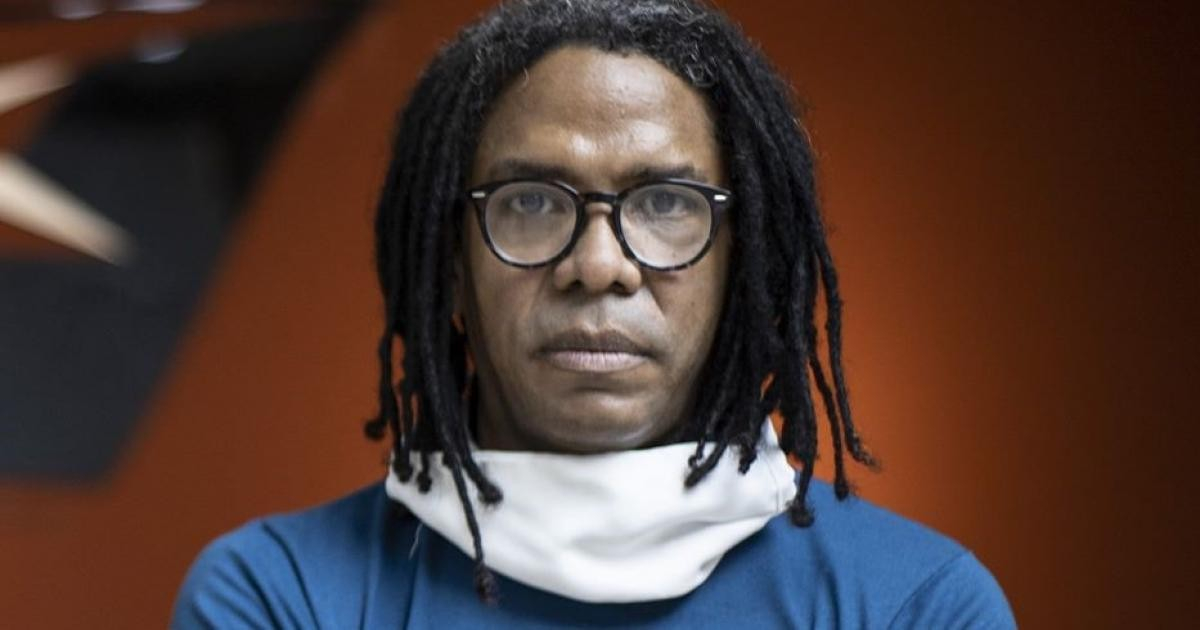
Cuban singer-songwriter and government deputy Raul Torres has taken to Facebook to issue a heartfelt open letter to world leaders and the United Nations. He pleads with them to stand with Cuba in the upcoming UN General Assembly session scheduled for October 28, urging a vote against the island nation's isolation.
In his message, Torres labels the U.S. embargo as "genocidal," portraying it as a "collective punishment" that brings "hunger, illness, and hopelessness" to the Cuban people. His words are a direct appeal to the conscience of international diplomats, warning them not to let "coercion, threats, commercial pressures, or fear override the voice of their conscience." He insists that opposing Cuba would be akin to endorsing "collective punishment."
Torres argues, "The embargo on Cuba is not a diplomatic measure. It's a siege attacking everyday life due to decisions made far from our shores." He emphasizes that calling it "genocidal" is no rhetorical exaggeration but an acknowledgment of the generational suffering under continuous pressure.
The letter closes with the official stance: "Cuba does not ask for its future to be gifted. It asks for the chance to build it. It asks not to be stifled."
This appeal from Torres comes amid heightened diplomatic activity leading up to the annual vote on the resolution titled "Necessity of Ending the Economic, Commercial and Financial Embargo Imposed by the United States of America Against Cuba," which has been presented to the UN since 1992, though it remains non-binding.
Cuban Foreign Minister Bruno Rodríguez accused U.S. Secretary of State Marco Rubio of "blackmailing" governments to alter their votes, following reports of Rubio's call with Salvadoran President Nayib Bukele to discuss "shared priorities" at the UN, including matters concerning Cuba.
In contrast, a coalition of Cuban democratic organizations, led by the Cuban Resistance Assembly and UNPACU, has issued a call, backed by over 1,000 signatures, urging democracies to reject or abstain from the vote. They assert that the resolution favors the regime rather than benefiting the Cuban populace.
Torres’s letter is part of the regime's efforts to secure international support ahead of what promises to be a more contentious vote than in previous years. In 2024, the resolution garnered 187 votes in favor, dropping to 165 in 2025—the lowest in over a decade—and in a special session last July, it managed only 136 votes, with nine against and 30 abstentions.
As a deputy of the National Assembly of People's Power and a prominent figure in Cuba's cultural establishment, Torres is known for his song "Patria o Muerte por la Vida" (2021), a government-endorsed response to the opposition anthem "Patria y Vida."
Recently, he also referred to the Cuban diaspora as "broken hearts," yet he avoided attributing the exodus to government actions.
Understanding the Global Response to Cuba's UN Appeal
What is Raul Torres's main request to the United Nations?
Raul Torres is urging the United Nations to vote against the U.S. embargo on Cuba, which he describes as a "genocidal" act causing widespread suffering among the Cuban population.
How has the voting trend at the UN on Cuba's resolution changed in recent years?
The resolution in favor of ending the embargo saw 187 votes in 2024, dropping to 165 in 2025, with a special session in July 2023 garnering only 136 votes, indicating a decline in international support.
What stance have Cuban democratic organizations taken regarding the UN resolution?
Cuban democratic organizations have called for democracies to either reject or abstain from voting on the resolution, arguing that it benefits the Cuban regime rather than its people.