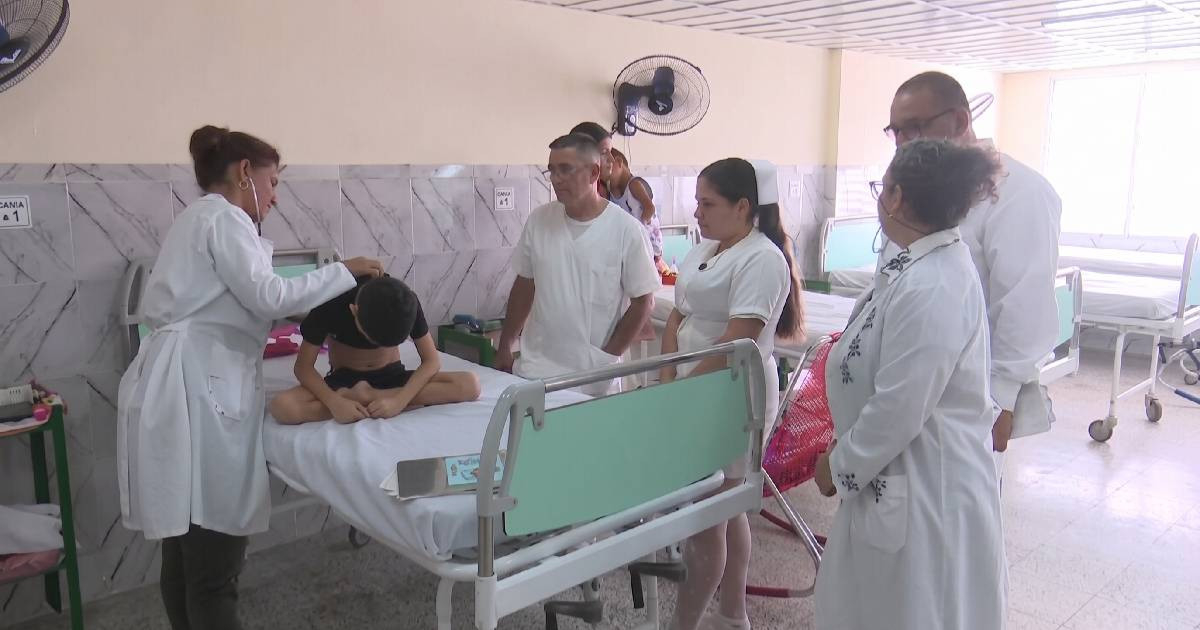
Dr. Wilfredo Roque García, the head of the Institute of Hematology and Immunology (IHI), has issued a public warning to patients with hematological and immunological conditions. This comes in response to Cuba's worsening epidemiological situation, characterized by the simultaneous presence of dengue, chikungunya, acute respiratory infections, diarrheal diseases, and hepatitis.
The specialist shared this caution during a televised appearance on Cuban TV on Wednesday, October 15, an announcement later echoed by the IHI on social media.
Roque García described the current scenario as "complex" and emphasized that "no precaution is excessive to avoid contracting any of the diseases that have increased in circulation." He urged the public to remain calm while seriously adopting preventive measures.
Specific Risks for Vulnerable Patient Groups
Dr. Roque García elaborated on the particular risks faced by different vulnerable patient groups.
For immunological patients, he highlighted their compromised ability to combat infectious processes, making them exceedingly vulnerable to any circulating diseases.
Hematological patients face an immediate threat from dengue. The disease can alter the quantity and quality of platelets, potentially leading to severe hemorrhages, as explained by the specialist. Patients with sickle cell disease, or drepanocytosis, are particularly at risk.
Respiratory infections could trigger an acute chest syndrome in these individuals, a severe and potentially life-threatening complication. Additionally, acute diarrheal diseases pose a swift dehydration risk, leading to further complications.
Preventive Measures and Community Involvement
Dr. Roque García stressed that "these complications can be prevented" and strongly advised prompt medical consultation at the first sign of trouble.
Among the preventive steps he emphasized are maintaining personal and food hygiene, staying well-hydrated, avoiding crowded and enclosed spaces, and wearing masks.
He also called for collective action: "Everyone's participation in environmental sanitation and adherence to hygienic-sanitary measures is crucial to prevent vector proliferation and mitigate the deteriorating epidemiological scenario."
Current Crisis and Future Concerns
The warning comes at a critical juncture. Cuba has recorded approximately 11,235 estimated dengue cases in 2026, a figure that is 9.2 times the country's historical five-year average, according to the Global Dengue Observatory at the London School of Hygiene & Tropical Medicine. All four virus serotypes are present, with serotype 2 being the most prevalent.
Additionally, chikungunya has surfaced in multiple provinces, and recent reports indicate a sustained increase in fever cases in five municipalities of Matanzas: Cárdenas, Pedro Betancourt, Los Arabos, Ciénaga de Zapata, and the provincial capital.
The situation could potentially worsen, as October traditionally marks the peak of dengue transmission in Cuba, suggesting that the epidemic's apex in 2026 may not have been reached at the time of the alert.
Understanding the Risks and Preventive Measures for Arboviral Diseases in Cuba
Why are immunological patients at higher risk during this epidemiological crisis?
Immunological patients are more susceptible because their condition weakens their ability to fight off infections, making them particularly vulnerable to the diseases currently circulating in Cuba.
What specific threat does dengue pose to hematological patients?
Dengue poses a significant threat to hematological patients as it can alter platelet levels, leading to severe hemorrhages, particularly in those with conditions like sickle cell disease.
What preventive measures can be taken to mitigate the risk of contracting these diseases?
Preventive measures include maintaining strict personal and food hygiene, ensuring proper hydration, avoiding crowded spaces, wearing masks, and seeking immediate medical attention at the first sign of illness.