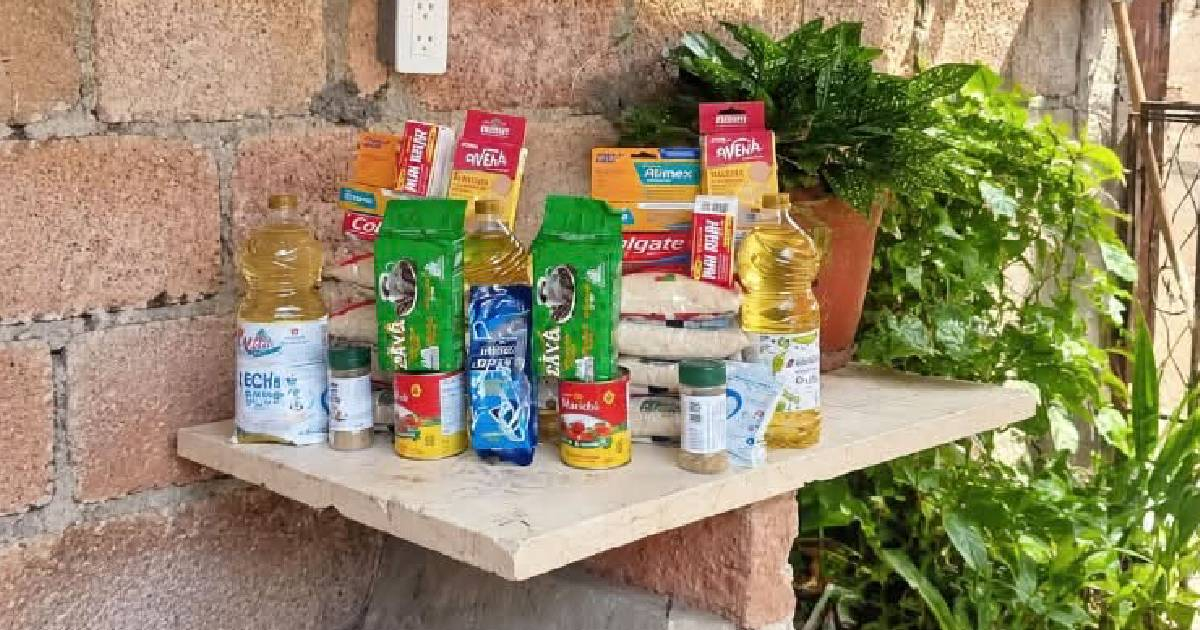
The Swiss non-profit organization, Camaquito, has reached a significant milestone in its humanitarian efforts in Cuba. Mark Kuster, the founder and director, announced via Facebook that the group has invested a total of $53,000 directly into families residing in Santiago de Cuba and Camagüey, bypassing any intermediaries.
"As of today, we have invested USD 53,000 directly without intermediaries into the Cuban people. Together, we continue to make a difference!" Kuster shared in his post, expressing pride in the team working on the ground in both regions.
This sum results from two consecutive disbursements made between September and October of this year.
Direct Aid to Cuban Families
The first disbursement, valued at $25,000, assisted 250 families in Santiago de Cuba and Camagüey, providing packages containing food, medicine, hygiene products, and rechargeable fans.
The second installment, amounting to $28,000, was announced on September 24, targeting another 280 families in the same areas with similar aid packages.
Recipients of these initiatives include households with individuals with disabilities and children on the autism spectrum, who are prioritized by the organization.
Commitment to Impactful Aid
"After supporting 250 families, we continue our commitment to aid another 280 families," stated Kuster, who has lived in Cuba since 2003 and personally oversees projects on the ground.
The guiding philosophy behind each delivery has remained consistent: reach beneficiaries without bureaucratic hurdles or distribution chains that could dilute resources. "The current situation for many people in Cuba is very difficult. Therefore, it is crucial for us to not just talk about it but to assist in a concrete and direct manner," Kuster had emphasized when announcing the first aid delivery.
This principle, encapsulated by Kuster's phrase "Less noise. More impact," has also influenced other Camaquito interventions. In July, they funded approximately $17,000 for materials to maintain two hospital gasometers in Santiago de Cuba, capable of conducting nearly 13,700 analyses on newborns and critical patients.
In April, Kuster further facilitated $50,000 to repair homes damaged by Hurricane Melissa in Santiago de Cuba, a commitment he had announced in November 2025 after the hurricane had affected over 137,000 homes in the province.
Ongoing Challenges and Milestones
The context for these efforts is dire: According to data linked to the World Food Program's strategic plan for Cuba 2026-2030, around 97% of the population lacks adequate access to food, and 34% of households reported that a member went to bed hungry in the preceding 30 days.
Established on June 21, 2001, in Switzerland, Camaquito celebrated its 25th anniversary this year, having raised over four million euros for projects in Cuba across health, education, culture, social inclusion, and access to clean water.
"I am very proud of my friends and the entire team in Santiago de Cuba and Camagüey, who make this beautiful work possible," Kuster concluded in his message, also announcing that the commitment to the 530 beneficiary families from these two rounds of aid marks not an end but a continuation of over two decades of dedicated work.
Understanding Camaquito's Impact in Cuba
How does Camaquito ensure aid reaches Cuban families directly?
Camaquito operates by delivering aid directly to families in need, bypassing intermediaries and bureaucratic processes that could delay or dilute their efforts.
What types of assistance does Camaquito provide?
Camaquito provides various forms of aid, including food, medicine, hygiene products, and essential tools like rechargeable fans, tailored to the needs of families in Santiago de Cuba and Camagüey.
What are the main challenges faced by the Cuban population according to Camaquito's reports?
The main challenges include inadequate access to food, with about 97% of the population affected, and issues like hunger, as evidenced by 34% of households reporting incidents of members going to bed hungry.