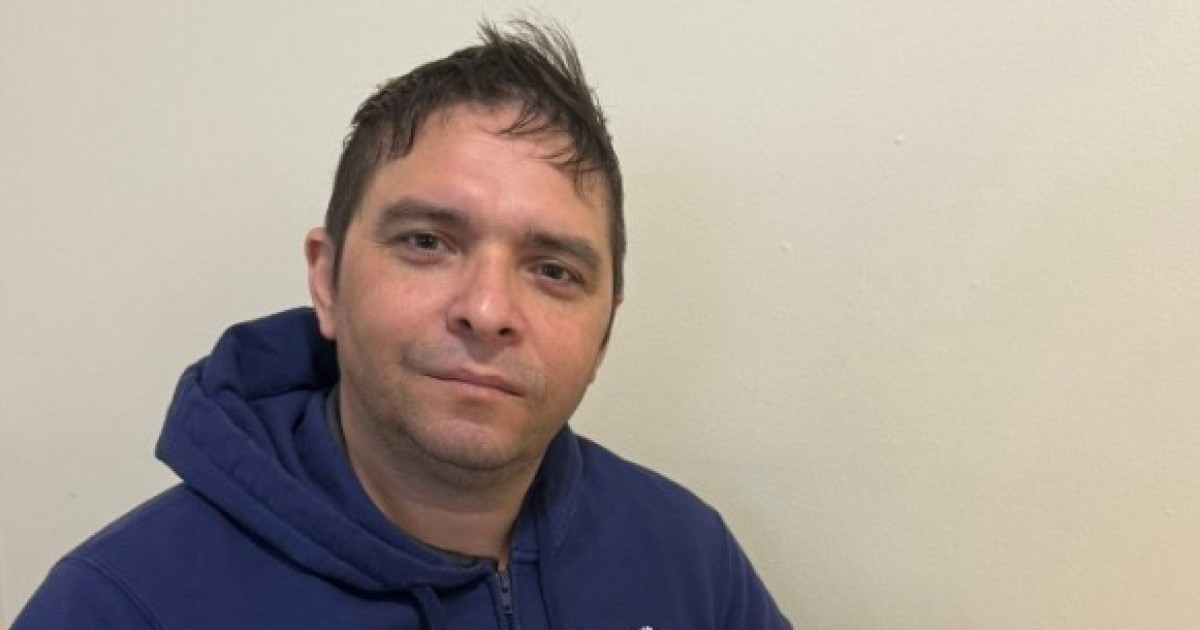
Chess Grandmaster Lázaro Bruzón recently shared a comprehensive post on Facebook, arguing that the advent of the Internet in Cuba has dismantled the regime's control over information, leaving no valid reasons for continuing to support the dictatorship. He warns that "there are no excuses left" to defend it any longer.
Bruzón reflects on how, for decades, pervasive indoctrination made it nearly impossible for most Cubans to question their reality, with only a few truly understanding the harm caused by communism. "That was the plan: shape you from a young age so you don't see any other truth," he states.
He emphasizes that Cuba's core issue is the system established in 1959, which obliterated all freedoms and split the nation into revolutionaries and traitors. "I've never cared about whether the economy was better or worse at any point. The economy was never the main issue. The real damage was moral, civic, and human. The real damage was the total cancellation of freedom," he underscores.
In his view, the most significant change in the political awareness of Cubans is the access to information. "The arrival of the Internet and the ability to compare, verify, and learn directly from history have stripped the regime of its disguise. We no longer have to rely on the news or what a doctrinaire teacher says. Today, every Cuban can see, compare, and decide," he argues.
This reflection was prompted by a specific incident. Bruzón mentions listening to an analysis by Cuban influencer Luis Dener about an episode of the podcast La Joven Cuba, where three participants attempted to justify the repression against activist Anna Bensi, while simultaneously expressing outrage over criticisms directed at Gabriela Fernández, a host of the state-run program Con Filo, after she was accepted into a master's program in human rights in Mexico.
"I don't know what kind of casting they do to select these types of morons, just like Gabriela herself and everyone in Con Filo. In the end, they are all the same: part of the state machinery that crushes anyone who doesn't comply," he reiterates.
The chess player stresses that in the era of the Internet, ignorance can no longer be a shield: anyone defending the regime today does so with full awareness of what they are supporting. "Today we all have access to the facts, the history, the evidence. Everyone can choose their side, but no one should complain when their time comes to be held accountable. There are no more excuses; the tale of 'confusion' no longer holds," he writes.
Bruzón concluded his post with a declaration: "Information has freed the Cuban people, while simultaneously exposing those who continue to whitewash the dictatorship." He signed off with the slogan "Patria y Vida" and a call for the freedom of all political prisoners.
The Impact of Internet Access on Cuban Politics
How has the Internet changed political awareness in Cuba?
The Internet has transformed political awareness in Cuba by providing access to information, enabling Cubans to verify, compare, and learn directly from historical records and global perspectives, thus challenging the regime's control over information.
What does Lázaro Bruzón identify as the main problem in Cuba?
Lázaro Bruzón points to the system imposed in 1959 as the root issue in Cuba, which eradicated freedoms and divided the nation, rather than focusing solely on economic conditions.
Why does Bruzón believe there are no excuses left to defend the Cuban regime?
Bruzón argues that with the widespread access to information via the Internet, ignorance can no longer be used as an excuse. People are now fully aware of the facts and history, allowing them to make informed decisions about supporting the regime.