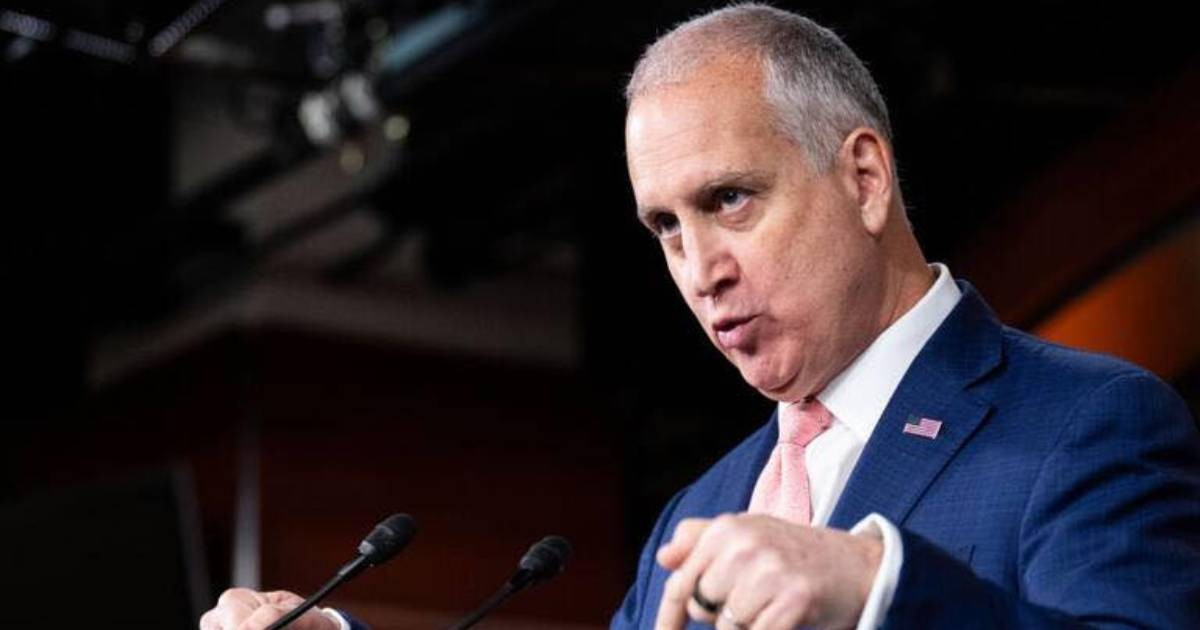
In a recent statement to CBS News Miami, Cuban-American Republican Congressman Mario Diaz-Balart defended border security measures while acknowledging that some subsequent immigration enforcement actions were "excessive."
As part of his campaign for the upcoming midterm elections on November 3, Diaz-Balart expressed support for legislation that would allow individual case reviews for undocumented immigrants from specific countries.
Having served the South Florida area in Congress for over two decades, Diaz-Balart is running for the newly redrawn District 26 against Democrat Nicole Locklin and Independent Deborah Ann Meidinger Hosey. This district now includes parts of southwestern Broward along with Hialeah, Miami Lakes, and Doral.
His stance is not new. In August, he voiced his opposition to the deportation of Cubans and advocated for a legal pathway for those holding the I-220A form. "I argue that Cubans should not be deported back to Cuba," he stated previously.
In a recent interview with CBS News Miami, he reiterated his support for legislation enabling case-by-case reviews for undocumented individuals from certain nations.
Impact of ICE Raids on Local Communities
Diaz-Balart's comments highlight the ongoing debate over ICE operations and their repercussions in communities like Hialeah and Doral. Stay informed on raids, deportations, and immigration policies in our U.S. Immigration section.
The congressman emphasizes that progress can only be made through dialogue with the White House, rather than public confrontation. "We continue to work towards restoring the ability for Venezuelans, Cubans, and Nicaraguans in legal limbo to remain here," he noted in August, stressing that cooperation with the administration—"not creating a scandal"—is key.
The Cuban Vote Dilemma
This stance aligns him, albeit more subtly, with his colleague Maria Elvira Salazar (District 27), who publicly clashed with Trump in September after criticizing the detention of 50,000 people in July, half without criminal records. Trump responded by asserting his support but claimed her electoral victory was due to him.
The backdrop of this race is the so-called Cuban vote dilemma: while the district's electorate supports maximum pressure on the Havana regime, it also feels the direct impact of raids on its community.
Over 70% of residents in Doral and Hialeah were born outside the United States, according to Census data cited by CBS News Miami.
Guillermo Grenier, a sociologist at Florida International University, warned that the real threat to Republicans is voter abstention, not a shift towards Democrats: "Trumpism is causing immigration issues for a minority of Cubans, but for them, as Republicans, voting for a Democrat isn't an option here."
He added, "The issue of Cuba is always hot, and it will be one of the two most important topics, behind the economy and immigration."
Diverse Proposals from District 26 Candidates
The three candidates for District 26 present very different proposals. Diaz-Balart highlights his legislative record, noting $12 billion in spending cuts through the subcommittee he chairs, and supports tax cuts for tipped workers and retirees.
Democrat Locklin, a 38-year-old attorney from California, advocates for abolishing the Immigration and Customs Enforcement (ICE), expanding legal immigration pathways, and hiring more specialized judges. Meidinger Hosey, a Weston resident with no party affiliation, presents herself as an alternative to bipartisanship, prioritizing the reduction of housing, food, and basic service costs.
Early voting in Miami-Dade begins this Sunday, October 19, at 28 centers, and the deadline to request a mail-in ballot is October 22.
Frequently Asked Questions about Immigration Policies
What is Mario Diaz-Balart's position on immigration enforcement?
Mario Diaz-Balart supports border security measures but has acknowledged that some immigration raids were excessive. He also advocates for case-by-case reviews for undocumented immigrants from certain countries.
What are the main issues in the District 26 election?
Major issues in the District 26 election include immigration policies, economic concerns, and the impact of ICE raids on local communities. The Cuban vote and its influence are also significant factors.
How does the Cuban-American community view the immigration raids?
The Cuban-American community is divided. While many support strong measures against the Cuban regime, they also feel the direct impact of immigration raids within their communities.