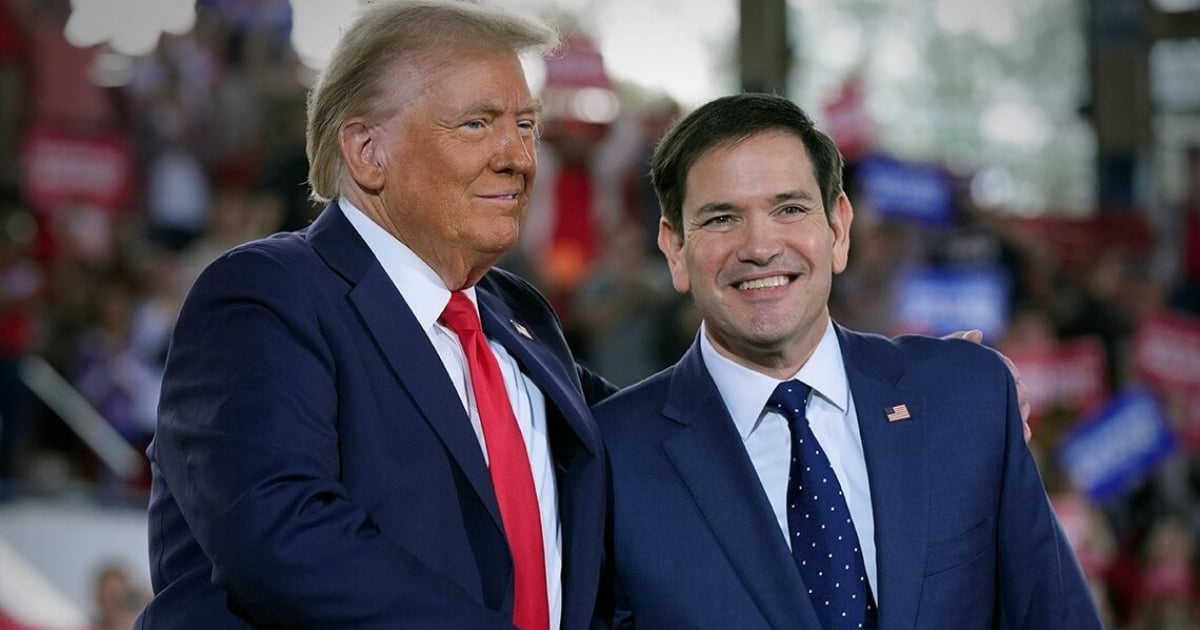
Discontent is mounting among Cuban exiles in South Florida toward Donald Trump and Marco Rubio. This sentiment has been growing for nine months since U.S. special forces captured Nicolás Maduro in Caracas, igniting hopes for similar action against Cuba's regime.
A report by Kirk C. Nielsen in Florida Bulldog, published this Thursday, highlights this growing frustration, using Miami's Spanish-language radio as a barometer of the exiles' mood just weeks before the November 3 legislative elections.
The January 3 operation, which resulted in the deaths of 32 Cuban soldiers guarding Maduro, fueled expectations of a Cuban intervention. Trump further stirred these hopes eight days later with a social media threat: "NO MORE OIL OR MONEY FOR CUBA. ZERO. I strongly suggest they reach an agreement BEFORE IT'S TOO LATE." In June, he warned again that Cuba could face "the same treatment as Venezuela" and was "just a hop away."
However, nine months later, no military action has taken place.
The Stalemate and Shifting Focus
The reasons for the lack of action are varied. According to an investigation by The Atlantic, secret talks between Rubio and Raúl Guillermo Rodríguez Castro, known as "El Cangrejo" and Raúl Castro's grandson, stalled when Washington demanded Díaz-Canel's removal as a non-negotiable condition.
Complicating matters further was the administration's pivot towards the conflict with Iran, which tied up military resources. By September, Trump publicly ruled out military action, opting instead for a negotiated agreement.
Radio Waves Reflecting Growing Frustration
This shift has resonated on Miami's Spanish-speaking radio stations—América Radio (1260 AM), La Nueva Poderosa (990 AM), and Alberto Cutié's program—which serve as political forums for the exile community, reaching tens of thousands via AM and digital broadcasts.
Nielsen's report cautions that the voices captured are anonymous callers and not a representative survey of the entire community.
Omar Moynelo, a midday host on La Nueva Poderosa, used a metaphor in August to describe the situation: "And she says, 'Now we're going to build something beautiful.' But you don't believe it anymore because she left you and took too long. This is happening to many people here."
Voices of Criticism and Calls for Patience
An elderly, agitated caller to the same program was more direct: "December will catch us in this nonsense! Nothing will fall! They're not going to intervene militarily, not going to do anything, especially with the elections. Two marines die, and we lose the House and the Senate. They have no vision, no plan, and it's a disaster. It's sad! It's shameful!"
On Cutié's program, another caller was even more blunt: "I'm not voting for anyone else if Cuba isn't free this year."
In response to this discontent, voices within the exile community urge patience. Congressman Mario Díaz-Balart has insisted that any action should avoid civilian casualties. Cossío from América Radio quotes the "patience and persistence" that Rubio himself advocated in August as a reason to maintain trust. Moynelo has also defended Trump to his more critical listeners.
Deportation Concerns and Political Ramifications
Adding to the frustration over Cuba is dissatisfaction with deportations: the administration has sent almost 6,000 Cubans to Mexico and others to African countries, drawing criticism from Actualidad Radio.
Congresswoman María Elvira Salazar, a longtime Trump ally, released a bilingual ad in September warning that Hispanics who elected him "now feel betrayed," and polls show her tied at 45% with her Democratic rival in Florida's 27th District.
Guillermo Grenier, an analyst with the Cuba Poll at Florida International University, warns that the discontent won't translate into Democratic votes but rather abstention—the real electoral risk for Republicans on November 3—in a community that backed Trump with 68% of their votes in Miami-Dade in 2024.
Understanding the Discontent Among Cuban Exiles
What sparked the frustration among Cuban exiles towards Trump and Rubio?
The frustration began after the U.S. special forces captured Nicolás Maduro in Caracas, which raised hopes for a similar intervention in Cuba. However, no subsequent action against Cuba has occurred, leading to growing disappointment.
Why has there been no military action against Cuba?
Several factors contributed to the lack of military action, including stalled secret negotiations with Cuban officials, the U.S. administration's shift of focus to Iran, and Trump's decision to pursue a negotiated agreement instead.
How has the discontent been expressed within the Cuban exile community?
The frustration has been voiced through Miami's Spanish-language radio stations, where callers have expressed disappointment and urged for a change in strategy. Some have even threatened not to vote if Cuba remains under the current regime.
What impact might this have on the upcoming elections?
The growing discontent could lead to voter abstention among Cuban exiles, posing a risk for Republicans in the upcoming elections, as the community has historically supported Trump with a significant margin in Miami-Dade.