A Spanish union, Manos Limpias, has filed accusations against nine Spanish consuls stationed in Cuba, Mexico, Argentina, and Venezuela, alleging improper handling of nationality grants under the Law of Democratic Memory, commonly referred to as the Grandchildren Law. The union has called upon the Anticorruption Prosecutor to investigate potential instances of document falsification and administrative misconduct.
In an official statement, led by Miguel Bernad Remón, the organization detailed that the complaint targets consular officials in Havana, Cuba; Buenos Aires, Bahía Blanca, Córdoba, and Rosario, Argentina; Mexico City, Monterrey, and Guadalajara, Mexico; and Caracas, Venezuela.
The allegations claim that many Spanish nationality files were approved using mere photocopies without the necessary checks to verify document authenticity and compliance with legal requirements.
Concerns Over Historical Document Verification
The complaint questions the acceptance of documents related to emigrations predating July 18, 1936. An administrative instruction from 2022 presumes exile status for certain applicants from that date forward.
Manos Limpias argues these actions might violate articles 390, 391, and 404 of the Spanish Penal Code.
Demand for Transparency in Nationality Files
The union demands that the nine consulates submit all nationality files approved under the Grandchildren Law and the challenged administrative instruction to the Prosecutor's Office.
The organization aims to clarify which documents were presented, how they were verified, and which officials authorized the nationality grants.
Controversy Surrounding the 2022 Instruction
A key point of contention is the instruction issued on October 25, 2022, by Sofía Puente Santiago, then-head of Legal Security and Public Faith. This directive developed the application of the Law of Democratic Memory and introduced a presumption of exile for Spaniards who left between July 18, 1936, and December 31, 1955. Despite this presumption, applicants are still required to document their departure from Spain during this period, as per the instruction itself.
Manos Limpias believes this interpretation extended nationality access beyond the law's intent and questions whether consular officials adequately verified requirements before granting citizenship.
However, the instruction in the Official State Gazette outlines different scenarios for acquiring Spanish nationality by descent, meaning documents predating 1936 alone do not automatically signify an irregular grant.
Impact on Cuban Applicants for Spanish Citizenship
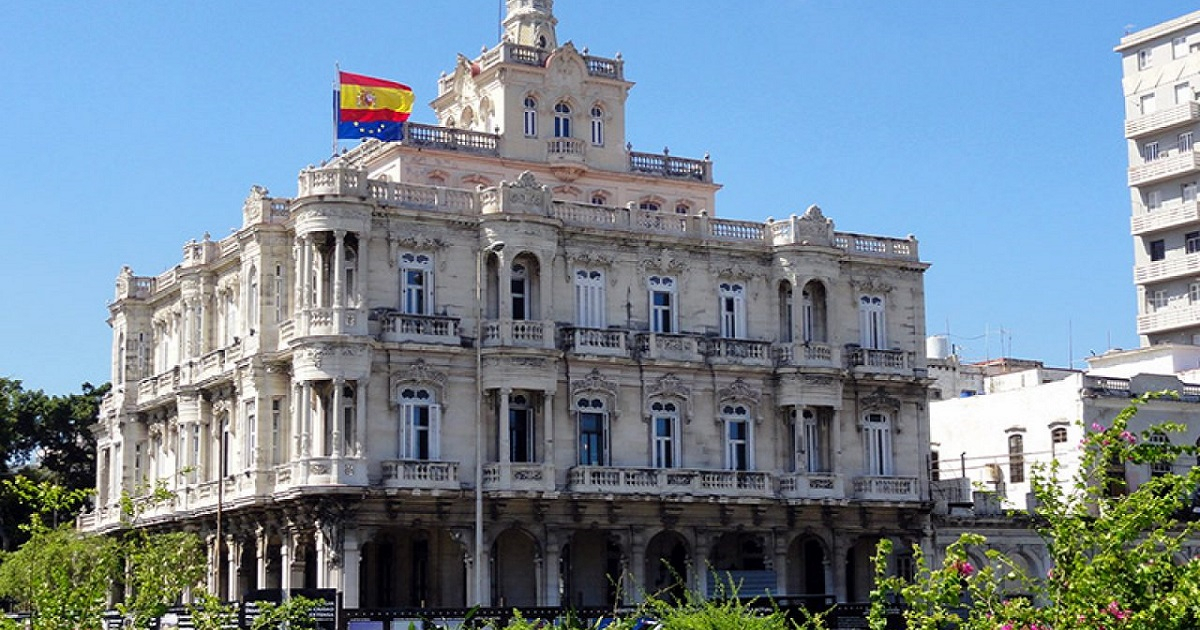
The inclusion of the Spanish Consulate General in Havana directly impacts the processing of thousands of descendants of Spaniards in Cuba who have sought citizenship through the Law of Democratic Memory.
The complaint does not immediately revoke already granted nationalities nor suspends pending applications. Cubans who have obtained citizenship under this law are not required to redo their applications due to the complaint.
According to current instructions from the Consulate of Spain in Havana, the deadline to request appointments under the Law of Democratic Memory was October 22, 2025. Applicants who secured an appointment within the deadline and received a valid receipt can proceed with document submission in person as per the established procedure.
Electoral Rights and Legal Challenges
The complaint coincides with voting restrictions imposed on 163,020 citizens who gained nationality through the Grandchildren Law and are registered in the overseas electoral census. The Spanish Supreme Court upheld a precautionary measure affecting these voters' rights in the upcoming general elections on November 29, allowing exceptions for those who document compliance with legal requirements.
On October 14, the Spanish Ministry of Foreign Affairs warned that applying these measures might create "paradoxical" situations where Spaniards who voted in previous elections might now be unable to do so. According to EFE, the department led by José Manuel Albares stated it is complying with the court's decision diligently, acknowledging the challenges for many consular offices.
The electoral restriction is a separate judicial matter from the complaint lodged by Manos Limpias and does not, in itself, result in the loss of Spanish nationality for the affected citizens.
Understanding the Implications of the Grandchildren Law
What are the allegations against the Spanish consuls?
The allegations involve improper approval of nationality applications using photocopied documents without adequate verification, potentially violating Spanish law.
How does the complaint affect Cuban applicants?
The complaint does not automatically revoke granted nationalities or suspend pending applications. Cuban applicants are not required to redo their applications as a result of this complaint.