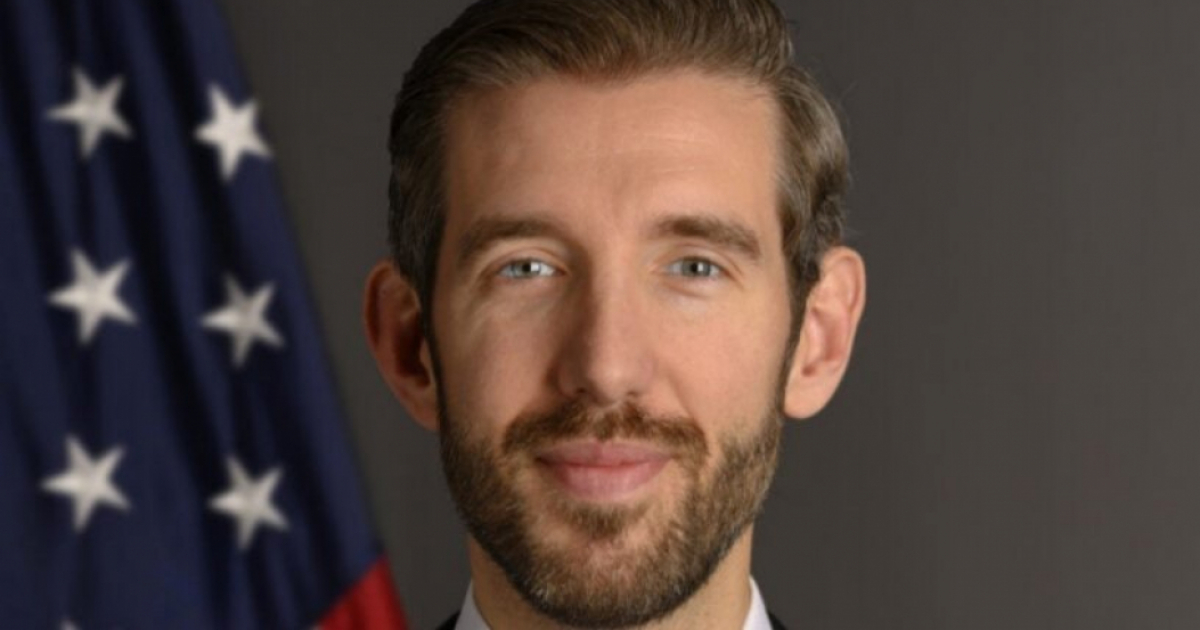
On Wednesday, U.S. official Juan Pablo Segura cautioned that international support for Cuba's annual resolution at the United Nations against the U.S. embargo is, in his view, delaying the critical political and economic reforms the Island desperately needs.
In a statement posted on X, the Deputy Secretary of State for Western Hemisphere Affairs held Cuba's communist regime accountable for the nation's ongoing crisis and questioned the effectiveness of backing Havana's diplomatic initiative.
"Cuba's economy has only survived due to foreign aid, and with that support now gone, the communist regime is failing and betraying ordinary Cubans," Segura declared.
Segura argued that the Cuban government uses the support it garners at the United Nations to avoid acknowledging the necessity of transforming its political and economic systems.
The Impact of International Support
"Havana uses its annual UN vote to delude itself into thinking change is unnecessary. Supporting this resolution merely reinforces the regime's false narratives and postpones the urgent need for political and economic reforms," he stated.
His remarks are aimed directly at the resolution titled "Necessity of Ending the Economic, Commercial and Financial Embargo Imposed by the United States of America Against Cuba," which the UN General Assembly has periodically reviewed for over three decades.
The document calls for the lifting of the U.S. embargo and typically receives broad international backing. However, it is a General Assembly resolution that reflects the participating countries' positions and does not compel Washington to alter its legislation on Cuba.
Contrasting Views on Cuba's Crisis
In the most recent vote held on October 29, 2025, the resolution was passed with 165 votes in favor, seven against, and 12 abstentions, according to the official UN record for resolution A/RES/80/4.
The debate presents two conflicting interpretations of the causes of Cuba's crisis: the Havana regime attributes a significant portion of its economic hardships to the U.S. embargo and calls for its removal, whereas Segura's stance emphasizes the Cuban government's own decisions and lack of structural reforms.
The official's comments come amidst a renewed exchange of accusations between the two governments regarding the upcoming UN discussion on the matter.
On the same day, Cuban Foreign Minister Bruno Rodríguez accused U.S. Secretary of State Marco Rubio of attempting to blackmail other countries concerning the resolution against the embargo.
Additionally, on Wednesday, a message of support was reiterated from Washington to the Cuban people, asserting that "the free world must stand with the Cuban populace."
Ongoing Criticism of Cuba's Economic Model
Segura's criticisms of Cuba's economic model are not new. In August, he had publicly questioned the functioning of the Island's economic system, consistent with the U.S. administration's stance toward Havana.
Key Questions about the UN Resolution and Cuba
What is the primary criticism of the UN resolution according to Juan Pablo Segura?
Juan Pablo Segura criticizes the UN resolution for delaying necessary political and economic reforms in Cuba by reinforcing false narratives of the communist regime.
How does the Cuban government view the U.S. embargo?
The Cuban government blames the U.S. embargo for much of its economic difficulties and calls for its removal, attributing significant hardship to this factor.
What was the outcome of the latest UN vote on the resolution?
In the most recent vote, the resolution was approved with 165 votes in favor, seven against, and 12 abstentions.