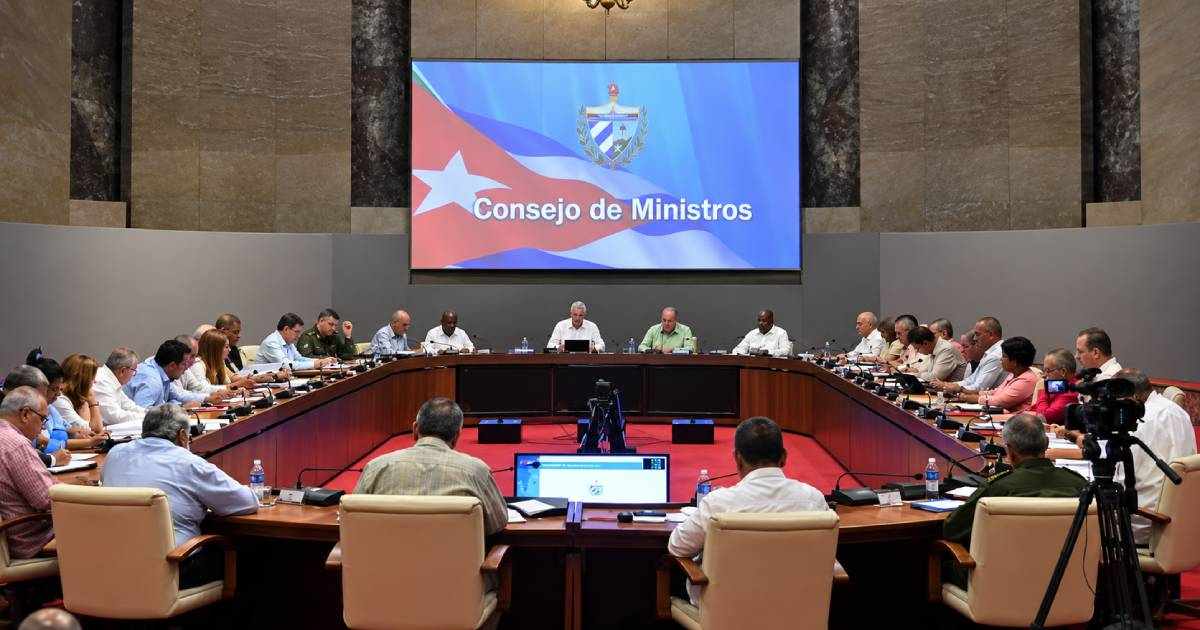
The Cuban government has announced a new decree aiming to update the regulations governing housing access, production, and management across the island. This initiative places particular emphasis on the needs of young individuals and vulnerable populations, amid a persistent housing crisis.
The decree, identified as Decree 176, outlines the "General Regulations of the Housing Law" and provides specific mechanisms for implementing Law 187, which was approved by the National Assembly on July 30, 2026.
Signed by Prime Minister Manuel Marrero Cruz on September 4, 2026, the decree was officially published in the Official Gazette No. 86, covering pages 46 to 117. This legislation tasks the Council of Ministers with issuing the regulation to complement the provisions dealing with habitat, housing production, and access.
The decree justifies the need for legal updates by highlighting the necessity to align with the "new reality," emphasizing public policies that protect vulnerable groups and young people.
Key Aspects of the New Housing Regulations
Decree 176 addresses 16 specific areas, including:
- The National Housing Development Program and pricing for state-constructed and allocated homes.
- The use of microbrigades as a management method.
- The allocation of state-owned vacant lots under the concept of perpetual surface rights.
- Self-managed architectural interventions.
- The transfer of state-owned housing and property to individuals and legal entities.
- Rights stemming from administrative acts of assignment through sale, lease, and usufruct.
- Exchanges and alternative conflict resolution methods.
- The delegation of responsibilities.
Oversight and Implementation
The regulation places the responsibility for steering the housing program under the Ministry of Construction, with involvement from housing directors at the provincial and municipal levels. The Municipal Housing Director serves as the direct investor for the Municipal Administration Council, overseeing the construction process at every stage and ensuring investment outcomes, including quality and warranty terms, as stipulated in Article 4.3 of the decree.
For completed projects, the law mandates that each home ensures habitability, climate resilience, and energy efficiency, along with solutions for water supply, sewage, drainage, electricity, green spaces, plumbing, and vehicular and pedestrian access.
Comprehensive Legal Framework for Housing
Official Gazette No. 86 consolidates six legal norms related to the new housing legal framework: Law 187, Decree 176, Decree 177 on Horizontal Property, Decree 178 on Housing Cooperatives, and two resolutions from the National Institute of Territorial Planning and Urbanism concerning certifications and cadastral valuation.
This legislative package arrives amidst severe deterioration of Cuba's housing stock. The deficit exceeds 900,000 homes, with nearly 35% of the existing 4.1 million units in fair or poor condition. In Havana, approximately 1,000 buildings collapse annually.
Law 187, which Decree 176 seeks to regulate, replaced the 1988 Law No. 65 "General Housing Law," which was in effect for almost four decades. The new law incorporates criteria for climate resilience, recognition of housing cooperatives, and new horizontal property rules.
Understanding Cuba's New Housing Regulations
What is the purpose of Decree 176 in Cuba?
Decree 176 aims to update the regulations concerning housing access, production, and management in Cuba, focusing on aiding young people and vulnerable groups during a severe housing crisis.
Who oversees the implementation of the housing program under the new decree?
The Ministry of Construction is responsible for directing the housing program, with participation from housing directors at provincial and municipal levels, while the Municipal Housing Director acts as the direct investor for the Municipal Administration Council.