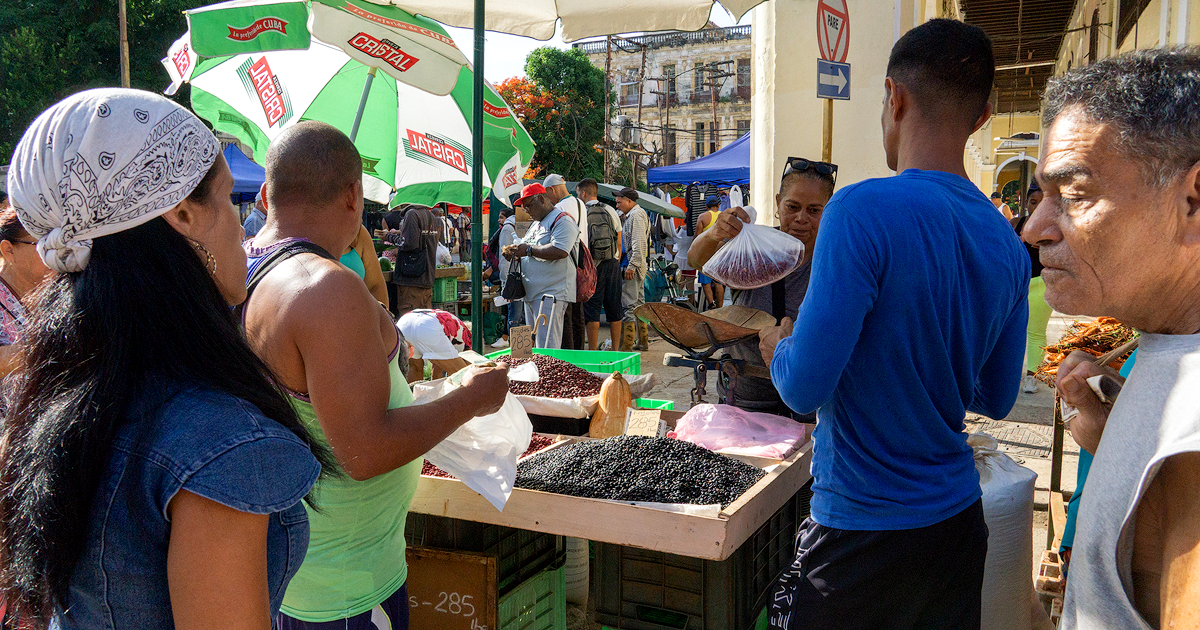
In Cuba, prices are spiraling upward, with inflation nearing a staggering 25% within the first nine months of 2026. This relentless climb continues to make basic necessities more expensive, diminishing the purchasing power of Cuban families.
According to the National Office of Statistics and Information (ONEI), the Consumer Price Index (CPI) showed a monthly increase of 3.37% in September. The cumulative inflation rate reached 24.85%, with an annual rise of 28.44%.
The official CPI bulletin for September 2026 highlights the ongoing price hikes in essential goods and services. This 24.85% cumulative increase signifies that, on average, the cost of the basket of goods and services used to calculate the index has risen by nearly a quarter since December 2025. The 28.44% annual increase compares the current year's September to the same month in 2025.
Key Drivers of Inflation
Food and non-alcoholic beverages continue to be the primary drivers of inflation. As reported by ONEI, this category accounted for 73.39% of the monthly variation in the overall index.
Following closely were restaurants and hotels, contributing 11.34%, and alcoholic beverages and tobacco, accounting for 6.70%. This data indicates that nearly three-fourths of the overall price increase in September was linked to food and non-alcoholic drinks, a category that directly impacts household budgets.
Among the items that saw significant price hikes were powdered soft drinks, rising 17.73%; sausages and hot dogs, up 11.72%; and pork, which increased by 10.69%.
The statistical office also identified pork, chicken eggs, and ham as key contributors to the monthly rise within the food and non-alcoholic drinks category.
Economic Concerns and Projections
Despite a smaller monthly increase in September compared to August's 4.92%, annual inflation climbed from 25.19% in August to 28.44% in September, highlighting a substantial escalation in costs compared to the previous year.
This trend has alarmed Cuban economists. In late September, the Center for Cuban Economic Studies (CEEC) at the University of Havana issued a report warning of accelerating inflation, labeling it as one of the nation's most critical economic challenges. Earlier, in July, Cuban economist Elías Amor Bravo noted that inflation was spiraling out of control due to government inaction.
Amor's analysis of first-half statistics revealed a cumulative increase of 12.24% by June and an annual rate of 18.27%. He argued that authorities were failing to implement necessary economic policies to curb the rising cost of living.
Amor also cautioned that if the trend persisted, inflation could reach between 40% and 50% by the end of 2026, although this was his projection, not an official forecast from ONEI.
Government's Response vs. Public Perception
These rising prices starkly contrast with statements from Cuba's leader Miguel Díaz-Canel regarding the state of the economy. In a September meeting with over 30 state enterprise leaders, Díaz-Canel expressed confidence in the socialist state enterprise system, claiming economic transformations would help overcome national challenges.
"We will change and move forward," stated Díaz-Canel, as food prices continued to consume a growing share of household income.
However, this optimism is not shared by the public. In August, a mother from Alquízar, Artemisa, reported that cooking oil cost 6,000 pesos, eggs were priced at 4,500 pesos per carton, and a pound of meat sold for 800 pesos.
"We'll have to eat grass," she remarked, highlighting the challenges her family faced due to the skyrocketing cost of basic goods.
In September, another Cuban shared on social media that her purchase of essential food and household items cost around 8,750 pesos, more than double the current minimum monthly wage.
In July, official annual inflation stood at 20.70%, with a cumulative increase of 15.12% since January. Two months later, cumulative inflation has reached 24.85%, and the annual figure has surpassed 28%.
Understanding Cuba's Inflation Crisis
What is causing the rapid increase in prices in Cuba?
The primary causes of the price surge in Cuba are the rising costs of food and non-alcoholic beverages, which account for a significant portion of the inflation rate. Additionally, economic mismanagement and lack of effective policy measures have exacerbated the situation.
How has inflation affected Cuban households?
Inflation has severely impacted Cuban households by reducing their purchasing power. Basic necessities like food are becoming increasingly expensive, forcing families to spend a larger portion of their income on essential goods.
What are the government's plans to address the economic crisis?
While the Cuban government has expressed confidence in state-led economic transformations, there is widespread skepticism about the effectiveness of these measures. Critics argue that more robust economic reforms are necessary to tackle the underlying issues.