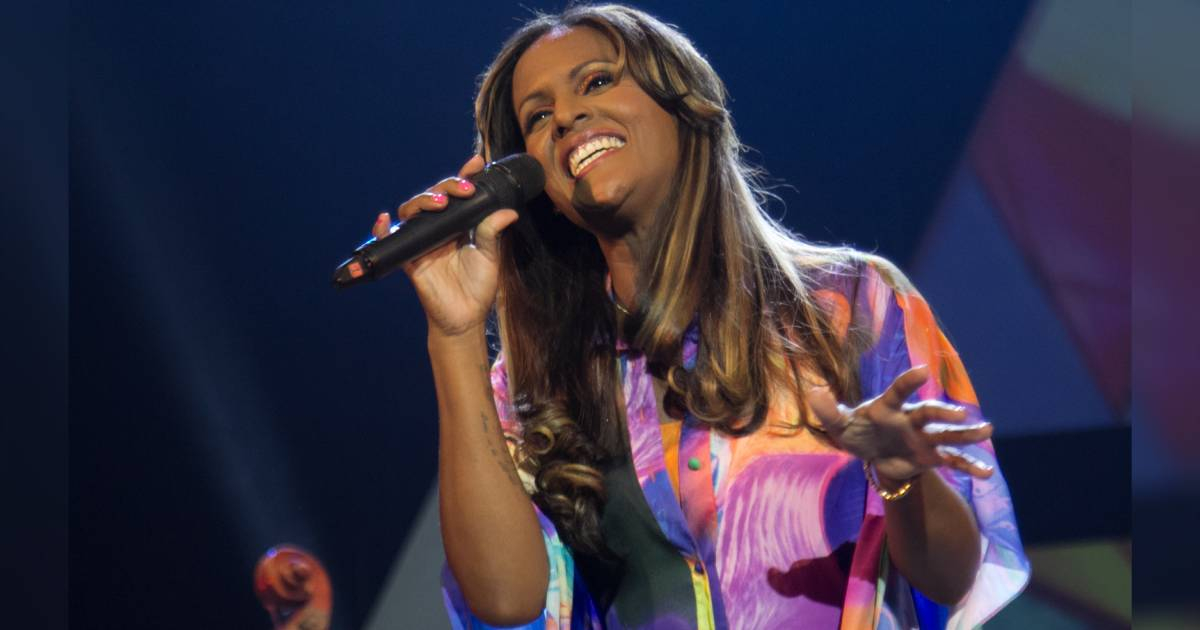
Some voices do more than just sing; they carve out moments in time and restore the world's beauty. Listening to Yaima Sáez is an emotional and sensory journey that bridges Cuba's past with its present.
Born in the plains of Camagüey, her voice serves as an invisible bridge where the nostalgia of bolero, the playfulness of guaracha, the melancholy of blues, and the depth of trova coexist. As an artisan of emotions, Yaima has transformed the legacy of great musical influences into a contemporary and universal language.
Discovering her was a pivotal moment for me; her breathtaking rendition of "Cavando una tumba," a piece made famous by the legendary Leonora Rega, left me utterly captivated and aware of her extraordinary vocal prowess.
Current Ventures and Future Collaborations
What is Yaima Sáez up to these days? "I'm currently working in Mérida, Yucatán, and I want to express my gratitude to businessman Carlos Sánchez for being a staunch supporter of Cuban music. I'm also preparing for a significant event in my career: reuniting on stage with the great Meme Solís at the Ateneo de Madrid on December 19. This event will also give me the chance to share the stage with one of the most iconic voices in Cuban music, soprano Alina Sánchez."
Roots and Inspirations from Camagüey
Camagüey, a city of cobblestones, large earthenware jars, and poetic silences, has deeply influenced my perception of beauty. We Camagüey natives often speak with pride of our "camagüeyanidad." The streets, the jars, and the stories of Amalia and Ignacio, along with the works of La Avellaneda, Emilio Ballagas, and Nicolás Guillén, have definitely shaped my upbringing.
My paternal grandmother María Esther, who loved to sing, and my mother, who has always been a pillar and role model, were also significant influences.
From Sports Enthusiast to Musician
Initially, I turned to sports for health reasons, as I was asthmatic as a child. Later, sports like basketball and handball helped me overcome my shyness and instilled in me teamwork, independence, and determination. I played as a pivot and had the chance to travel throughout Cuba, eventually reaching the top category. I even considered pursuing sports psychology before music found its way into my life, thanks to instructor Irma Sariol at the ISCF “Manuel Fajardo” in Camagüey.
The "En busca de talento" contest led me to the International Bolero Festival in Havana in 2005. Meeting the "Acuarelista de la Poesía Antillana," Luis Carbonell, was a turning point in choosing my musical path.
The Power and Art of Singing
Singing is my passion and my way of life. The decision to embark on a musical journey was monumental and life-changing. I'm grateful for the lessons and opportunities at Café Concert Gato Tuerto, where I met and learned from great artists. Thanks to maestro Hugo Oslé for believing in me and giving me a platform in this iconic Havana nightlife venue.
If I had to choose a song from my repertoire to define love, it would be "Para vivir" and "Ámame como soy," both by Pablo Milanés.
Versatility Across Musical Genres
My ability to effortlessly transition from son and guaracha to bolero, ballad, and blues comes from understanding music as a truth that must resonate with the audience. Finding a unique style to defend each genre was key to my artistry.
My work pays homage to the golden era of figures like Marta Estrada, Martha Valdés, Elena Burke, and Pablo Milanés. Their authenticity and humility are secrets of their elegance, which I strive to uphold in the 21st century.
Cultural Challenges and Resilience
Cuba is currently facing severe economic and social challenges. Finding beauty in everyday life amidst such struggles is a poetic endeavor. However, the deep-rooted issues affecting Cuban values and identity offer little room for beauty, only sadness.
Despite the circumstances, the pride in being Cuban and the cultural heritage must never be lost. Cultural resilience is essential in maintaining our identity.
In my album "Doce joyas," I gave voice to the work of maestro Roberto Valera. This project was a significant journey into music production and showcased the hope and faith in preserving Cuba's rich musical legacy from the mid-20th century. Singing these dreams keeps the spirit of Cuban music alive.
The Eternal Note of Hope
As Cuba navigates through its current crisis, I hope for a future where music and culture can restore the nation's light. Music has the power to transcend borders and time, and as long as there are those who sing, remember, create, and love, Cuba will always have a song waiting to be sung. In the end, maybe it's faith, culture, and the truth that artists continue to defend that will ultimately bring light back to our island.
Understanding Yaima Sáez's Musical Journey
Who is Yaima Sáez?
Yaima Sáez is a Cuban singer known for her powerful voice and ability to blend traditional and contemporary musical styles, creating a unique and universal language in her music.
What are some of Yaima Sáez's musical influences?
Yaima Sáez draws inspiration from a wide range of musical genres, including bolero, guaracha, blues, and trova, blending them into her own unique style. She also pays homage to artists from Cuba's golden musical era.
How has Camagüey influenced Yaima Sáez's music?
Camagüey, with its rich cultural and historical backdrop, has significantly shaped Yaima Sáez's understanding of beauty and her artistic expression. The city's poetic silences and stories of its past influence her music deeply.