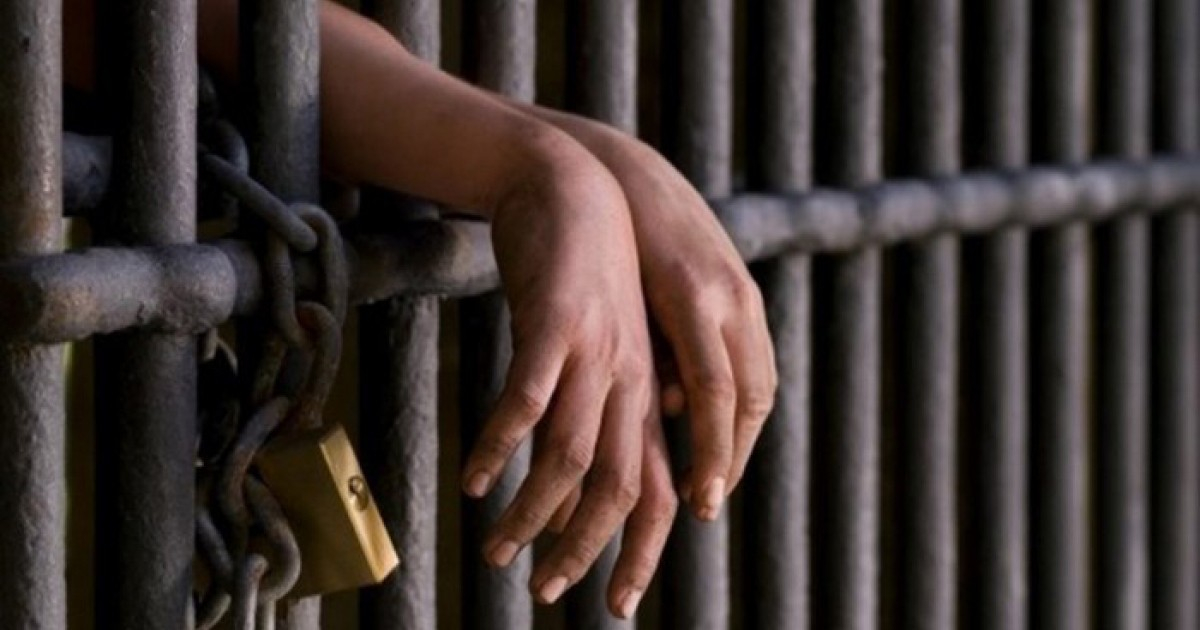
The Cuban Prisons Documentation Center (CPDC), an organization based in Mexico, reported 79 human rights violations and four deaths in Cuban prisons throughout September, according to their monthly report released by Infobae.
Reports of these abuses originated from 34 detention facilities—prisons, forced labor camps, and penal instruction centers—spread across 12 provinces and the special municipality of Isla de la Juventud.
Camagüey, Havana, and Mayabeque were the provinces with the highest concentration of incidents. The report highlighted Kilo 8 and Kilo 7 prisons in Camagüey and Quivicán prison in Mayabeque as the most frequently cited locations.
A total of 72 individuals were affected: 68 men and four women. Additionally, 23 complaints described conditions impacting the entire population of a single facility.
Medical Neglect and Health Concerns
Medical neglect topped the list with 27 reports, followed by health issues (26), inadequate food (19), communication restrictions (15), and transfers (9).
The most severe case among political prisoners involved Florentino Morono Torres, who was incarcerated at Las Tunas provincial prison. After suffering a heart attack in his cell on September 18, he did not receive timely medical care and passed away two days later at the Dr. Ernesto Guevara General Teaching Hospital in that city.
Common prisoner Reinier Ramírez Domínguez died at the Calixto García Hospital in Havana, 17 days after being granted a penal license. His condition was described by the CPDC as "severely compromised due to inadequate medical care while in prison."
The other two deaths involved unidentified inmates from the Mar Verde prison in Santiago de Cuba, who reportedly died from "lack of food and severe malnutrition," according to the report. Families of inmates at that prison had previously reported extreme hunger, overcrowding, and contaminated water since July.
Journalists and Political Prisoners Among the Most Affected
The report highlights that those most frequently victimized include political detainees and individuals suffering from chronic or infectious diseases such as tuberculosis, diabetes, asthma, psoriasis, and HIV.
Among those with the most recorded incidents is independent journalist Henry Constantín, director of La Hora de Cuba, who was arrested in Camagüey in September and transferred to the maximum-security Kilo 7 prison in early October. Political prisoners Roberto Pérez Fonseca and Vladimir Castillo Llanes, held in Quivicán, and Ediolvis Marín Mora, in Kilo 7, are also mentioned.
The CPDC also documented reprisals against those protesting prison conditions, such as suspended visits and calls, solitary confinement, and beatings.
An Underreported Crisis in an Opaque System
The organization cautions that its figures represent "an underreporting of actual events and victims," attributing this limitation to "the systematic opacity of the Cuban regime," which does not publish prison mortality statistics nor allows access to independent observers.
The CPDC's report follows Cubalex's documentation of 12 deaths under state custody in the same month, marking the highest monthly figure since February 2026—eight inside prisons, two recently released individuals, and two mandatory military service recruits. Although both organizations employ different methodologies and their counts should not be combined, they agree on medical negligence and hunger as primary causes.
Meanwhile, Prisoners Defenders recorded a new high of 1,372 political prisoners in Cuba as of October 1, surpassing the previous record set in August.
Between March 2024 and March 2025, the CPDC itself recorded 60 deaths in Cuban prisons and 1,330 human rights violations, including 402 cases of medical neglect and 224 of food deficiencies.
Frequently Asked Questions on Cuban Prison Conditions
What are the main causes of death in Cuban prisons according to the CPDC report?
The CPDC report identifies medical neglect and severe malnutrition as the primary causes of death in Cuban prisons.
Which prisoner demographics are most affected by rights violations in Cuban prisons?
Political prisoners and those with chronic or infectious diseases are among the most affected by rights violations in Cuban prisons.
How does the Cuban regime's opacity affect reporting on prison conditions?
The Cuban regime's lack of transparency, including not publishing prison mortality statistics and restricting independent observer access, leads to underreporting of human rights violations.