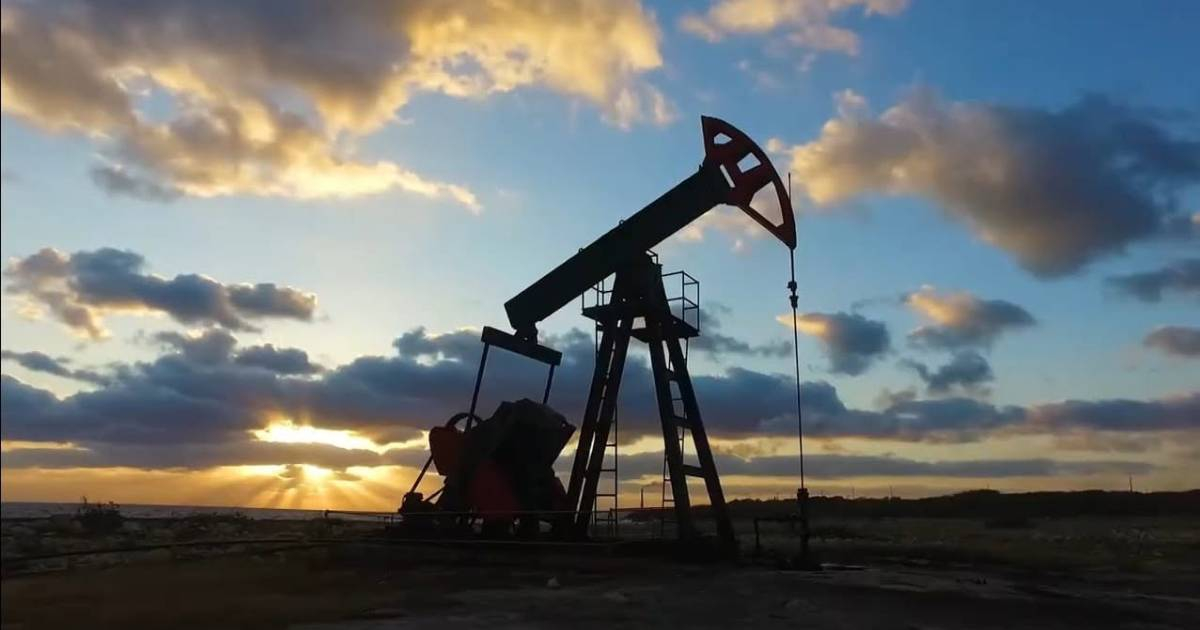
In a recent development, Cuba has announced that micro, small, and medium-sized enterprises (MSMEs), along with private companies employing over 100 individuals and non-agricultural cooperatives, are now eligible to apply for permits to explore and exploit oil and gas reserves on the island. This comes as part of a newly released regulation detailed in the Official Gazette on Monday.
The guidelines are outlined in Decree 184 of 2026, which serves as a regulatory framework for Decree-Law 135 "On Oil and Gas," sanctioned by the Council of State on September 3rd.
Technical and Legal Requirements
Article 13 of the regulation specifically allows these business entities to independently engage in oil exploration and extraction activities. However, their participation is subject to meeting stringent technical and legal standards.
To proceed, companies must obtain endorsements from the Ministry of Energy and Mines (MINEM) and the National Office of Mineral Resources (ONRM), along with necessary state approvals.
Approval and Accreditation Process
Direct involvement in these activities requires dual approval from both the Council of Ministers and the Council of State, making it clear that the new rule does not automatically authorize interested companies.
Applicants are also required to demonstrate their technical capabilities to the ONRM. Yet, the regulation emphasizes that obtaining such accreditation does not necessarily guarantee a petroleum concession.
Concession Terms and Historical Context
Concessions may last up to 30 years and can be extended for an additional 10 years. These will be awarded through open or, in rare cases, restricted bidding processes.
The notion of integrating private enterprises into Cuba's oil sector isn't entirely new. It was earlier indicated during a special session of the National Assembly on June 18, when Prime Minister Manuel Marrero Cruz introduced 176 economic measures, including the involvement of private and foreign capital in fuel importation and retail business.
Subsequently, on July 28, Decree 160 was issued, easing restrictions on the non-state sector. This decree classified crude oil and natural gas extraction as conditionally authorizable activities, possible under administrative concessions and legally sanctioned methods.
Earlier provisions already allowed private MSMEs and non-agricultural cooperatives to engage directly in these strategic resource activities with state approval. On September 2, the Council of State further removed the 100-worker limit on private enterprises through Decree-Law 133, legally recognizing larger business ventures.
The recent regulations formalize earlier possibilities by specifying the procedures and conditions companies must meet to participate.
State Ownership and International Involvement
Despite the planned private involvement, state ownership of oil and gas reserves remains unchanged. Decree-Law 135 confirms that these resources are "socialist property of the entire people," meaning concessions grant exploration and exploitation rights without transferring ownership.
Foreign company participation in Cuba's oil industry is not novel. In 2015, Australian firm Melbana Energy, formerly known as MEO, signed an agreement with CUPET to explore Block 9 in northern Cuba.
This regulatory update arises amidst a severe energy crisis, characterized by prolonged blackouts, fuel shortages, and inadequate domestic production to meet demand.
While the new legal framework sets conditions for private sector engagement, its effectiveness will hinge on the government’s willingness to grant concessions and the companies' ability to meet the industry's investment and technical demands.
Decree 184 and Decree-Law 135 have been published in the Official Gazette No. 85 Ordinary of 2026 and are set to take effect on October 19.
Understanding Cuba's Oil and Gas Policy Changes
What are the new opportunities for private businesses in Cuba's oil industry?
Private businesses, including MSMEs and larger companies, can now apply for concessions to explore and exploit oil and gas reserves, following new regulations published in the Official Gazette.
Are there any restrictions on these new oil and gas activities?
Yes, participation is subject to technical and legal criteria, and companies must secure approvals from various government bodies before commencing operations.
Does this mean private companies will own oil resources?
No, oil and gas reserves remain the property of the socialist state. Concessions grant the rights to explore and exploit, not ownership.