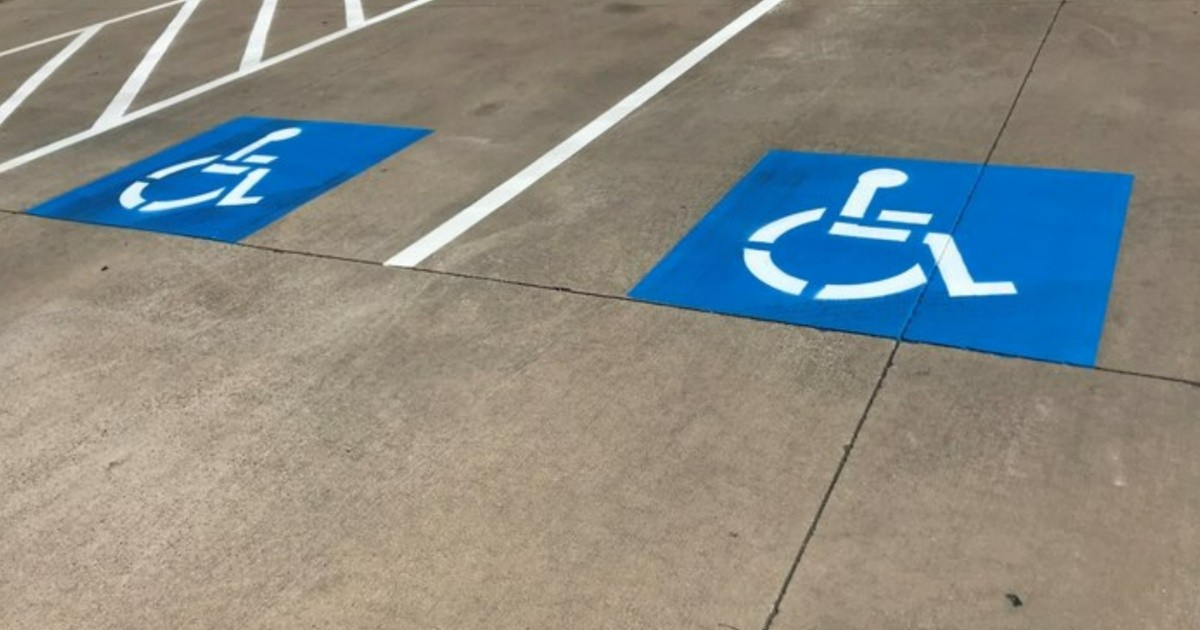
Dariel Fernández, the Miami-Dade Tax Collector, unveiled on Friday the outcomes of the most extensive audit of disabled parking permits ever conducted in the county. Alongside this, he introduced PERMiO, a digital platform designed to curb fraud, enabling users to request and renew these permits entirely online.
The audit covered 129,066 records, with 8,384 not passing the scrutiny, leading to the cancellation of 6,036 permits in Florida's state system.
Irregularities found included medical certifications signed under names of deceased doctors and signatures that did not match official state records, highlighting the vulnerabilities of the old paper-based system.
The fraudulent scheme operated through intermediaries who sold forms with forged medical signatures for up to $200 each.
One notable case involved Lianne Quintero, who applied in May 2025 using the signature of a doctor who had passed away that same month. She admitted having no disability and voluntarily relinquished the permit.
The investigation, in collaboration with the Miami-Dade Sheriff's Office, led to Operation Denied Parking, resulting in 11 arrests between April and August of this year.
The cancellation process had escalated steadily since the audit began in December 2025: from 1,400 permits revoked in March to over 5,600 by June, culminating in 6,036 by the closing date.
"When someone misuses a disabled parking permit, they deny access to those who genuinely need it. That's unacceptable, and our office is taking action," Fernández declared during the press conference.
The Functionality of PERMiO and Resident Guidelines
PERMiO is accessible via the Tax Collector's Office website and was entirely developed by its employees, saving hundreds of thousands of dollars compared to a commercial solution.
The process is straightforward: residents initiate the procedure online, and an authorized healthcare professional completes the medical certification electronically, eliminating paper as the main avenue for forgery.
Regarding renewal cycles, permanent permits must be renewed every four years. If the previous application already certified a permanent disability, the first renewal does not require a new medical certificate. However, by the second renewal—usually after eight years from the initial issuance—a new certificate is mandatory.
Permanent permits are free in Miami-Dade, while temporary ones, valid for up to six months, cost $15.
Providing false information to obtain these permits constitutes a first-degree misdemeanor under Florida law, punishable by up to a year in jail, a $1,000 fine, or both. A prior conviction can also result in a four-year ban on reapplying.
The presentation was attended by representatives from the Miami-Dade Commission on Disability Issues, law enforcement officers, healthcare professionals, disability rights advocates, and officials from Sheriff Rosie Cordero-Stutz's and State Attorney Katherine Fernández Rundle's offices.
Other counties in Florida have shown interest in evaluating the adoption of PERMiO, though no agreements or implementation timelines have been publicly confirmed yet.
"A disabled parking permit is a vital resource. Our job is to protect it and ensure it reaches those who truly need it," Fernández concluded.
Key Questions About Miami-Dade's New Parking Permit System
What is PERMiO and how does it work?
PERMiO is a digital platform that allows users to apply for and renew disabled parking permits online, eliminating paper-based processes and reducing fraud.
How often must permanent permits be renewed?
Permanent permits must be renewed every four years. If the initial application certified a permanent disability, the first renewal does not require a new medical certificate, but the second renewal does.
What are the penalties for falsifying information?
Falsifying information to obtain a permit is a first-degree misdemeanor in Florida, punishable by up to one year in jail, a $1,000 fine, or both. A prior conviction can lead to a four-year ban on reapplying.