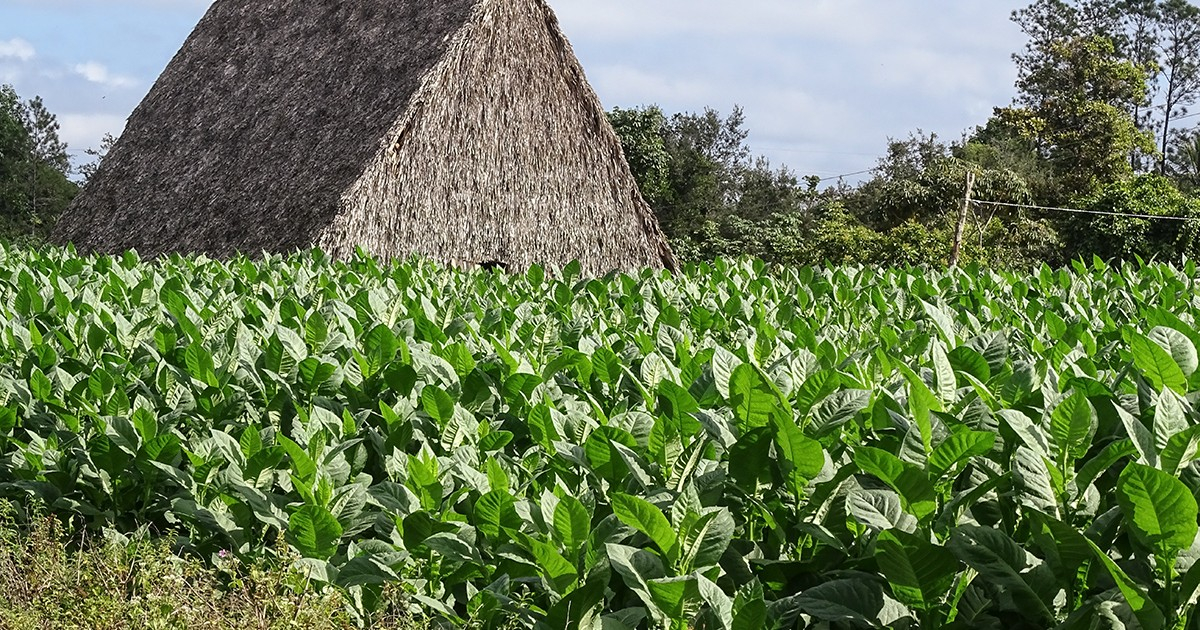
The 2026-2027 Cuban tobacco season officially launched on Saturday, October 10, with a national event held at the Tobacco Collection and Processing Company in the La Palma municipality of Pinar del Río. This was reported by the state-owned company, Tabacuba.
Tabacuba has set a national goal for the campaign of planting approximately 20,000 hectares. This target is a planned objective, not an area already cultivated at the time of the official start.
Of this total, about 12,000 hectares—60%—are allocated to Pinar del Río, a province historically responsible for the largest harvests in the country, contributing over 70% of Cuba's tobacco.
La Palma was chosen as the host for the event to honor the efforts of its farmers, workers, and managers, who are considered among the most outstanding in the Vuelta Abajo region.
Production Challenges and Strategic Goals
At the time of the official launch, contracts in Pinar del Río were still open for new producers, including applicants for land usufruct dedicated to tobacco cultivation, according to Tabacuba's agricultural director, Osvaldo Santana.
Santana clarified that the event on Saturday did not signify the actual start of operations across the entire province: seven out of the 11 municipalities in Pinar del Río had already begun planting tobacco before this date.
The planting schedule established by Tabacuba is as follows: 10% of the areas are to be planted in October, 55% in November, 30% in December, and the remaining 5% in early January 2027, with an average yield estimated at 1.10 tons per hectare.
The annual campaign engages more than 10,000 producers across the island.
Addressing Energy Challenges
Santana described the season as "challenging," citing the energy crisis as a significant factor complicating the sector's outlook.
The difficulties are not without precedent: during the previous season, lack of electricity for irrigation ruined more than 385 hectares of tobacco in Consolación del Sur alone, where the harvest totaled 1,301 tons against a plan of 1,778.
To mitigate this dependency, Tabacuba aims for 50% of the areas with electric irrigation in Pinar del Río to operate on renewable sources during this campaign, primarily through photovoltaic systems.
A Sector Under Pressure
The previous campaign (2024-2025) involved around 15,000 hectares planted nationwide, with 10,378 of those in Pinar del Río, setting the current target at a notably more ambitious level.
Tobacco is one of Cuba's main export products and ranks as the fourth-largest contributor to the country's GDP. However, the sector is under increasing pressure: the 2026 Festival del Habano was definitively canceled in July due to the energy and economic crisis, depriving the sector of an international showcase that had generated approximately $18.72 million in humidor auction sales during its 2025 edition.
Despite the challenging outlook, Santana emphasized that the sector is ready to tackle new challenges: "The campaign will remain difficult, but the determination of the Pinar del Río tobacco growers, aware of their role in the national economy, will prevail."
Cuban Tobacco Campaign: Key Questions and Answers
What is the target for the 2026-2027 Cuban tobacco campaign?
The goal is to plant approximately 20,000 hectares nationwide, with 12,000 hectares allocated to Pinar del Río.
Why was La Palma chosen as the event's location?
La Palma was selected to recognize the efforts of its farmers, workers, and managers, who are considered outstanding in the region.
What challenges is the tobacco sector facing this season?
The sector is grappling with a significant energy crisis, which affects irrigation and overall production capabilities.