This past Sunday marked a somber day for Cuban baseball as it lost one of its iconic sluggers. Héctor Olivera González, a native of Cruces born in 1953, succumbed to severe health complications at the age of 73. His son, Héctor Olivera Jr., confirmed the news to journalist Yasel Porto from Dporto Sports.
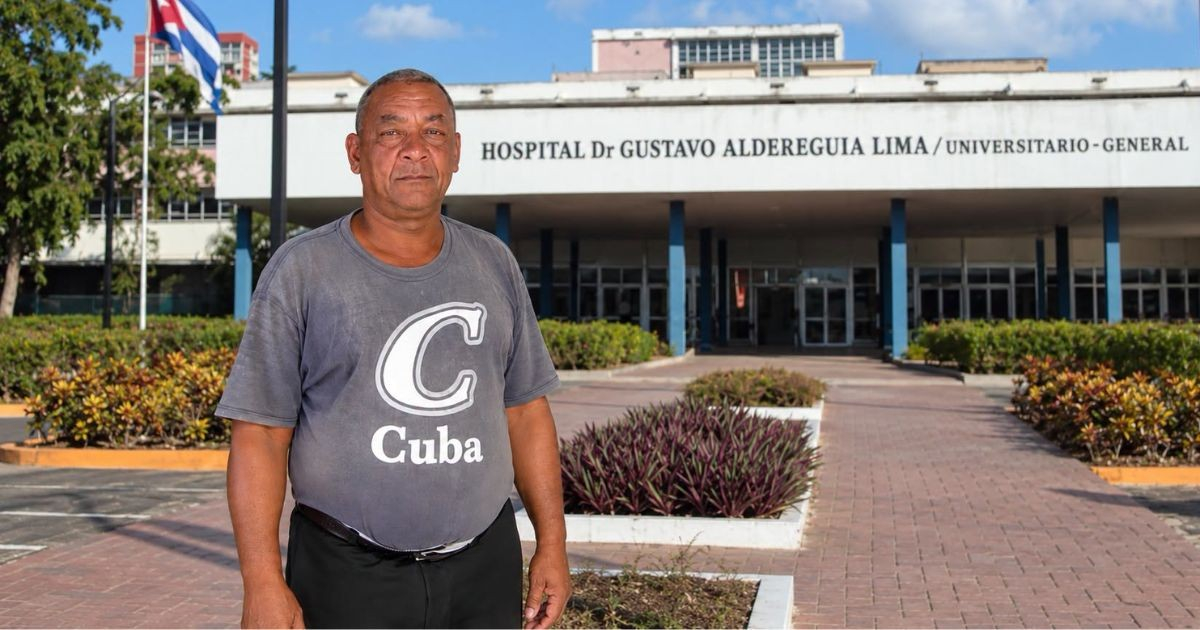
The announcement was not entirely unexpected. Olivera had been admitted to the General Gustavo Aldereguía Lima University Hospital in Cienfuegos due to chronic kidney failure and other issues. On October 2, his 73rd birthday, he remained hospitalized. At the time, Dporto Sports reported that he was stable and noted that "many at the hospital recognized him and he received support from the community." Tragically, nine days later, the news everyone dreaded became a reality.
The Legacy of a Fearsome Slugger
Born in the municipality now part of Cienfuegos province, Olivera became a formidable presence in Cuba's National Series. Over 13 seasons, he played for teams such as Azucareros, Arroceros, and Cienfuegos, achieving a batting average of .313, with 138 doubles, 14 triples, and 80 home runs.
Olivera's name became etched in the annals of Cuban baseball history in 1981 when he led the VI Selective Series with a remarkable .489 batting average, becoming the first player to surpass the .400 mark in that tournament. He was a key player in Las Villas' fearsome lineup alongside stars like Antonio Muñoz, Lourdes Gurriel, Pedro "Cheíto" Rodríguez, and Pedro Jova.
International Acclaim and Continued Influence
On the international stage, Olivera's achievements were equally distinguished. At just 17, he was part of the Cuban team that clinched the gold medal at the Youth World Baseball Championship in Maracaibo, Venezuela, in 1970. A decade later, in 1980, he reached the pinnacle of amateur baseball by becoming a world champion in Tokyo, where Cuba finished with an impeccable 11-0 record. The following year, he added a silver medal at the Intercontinental Cup in Edmonton, Canada.
After retiring at the end of the 1983-1984 season, Olivera remained closely connected to baseball, serving as a batting coach for the Cienfuegos team, where he helped secure provincial and national titles in youth categories. In 1999, he was honored at the Council of State during the second game between Cuba and the Baltimore Orioles, which ended 12-6 in Cuba's favor in front of nearly 48,000 fans.
A Year of Losses for Cuban Baseball
Olivera's passing adds to a year of significant losses for Cuban baseball, following the deaths of Lázaro Junco in June and Elpidio Mancebo in August. The struggling Cuban healthcare system, plagued by a lack of medications, equipment, and specialized medical personnel, casts a shadow over the care of historical figures requiring specialized treatment, such as kidney dialysis, in their final days.
Olivera was not the first from the Las Villas generation to succumb to kidney failure; his teammate Pedro "Cheíto" Rodríguez died in February 2021 from the same cause at 64, and Sixto Hernández passed away in February 2022 at 71.
Journalist Fabio López Martínez, drawing on information from Yasel Porto, captured the sentiment of many fans: "Héctor Olivera González was not just a champion; he was a symbol of humility and perseverance. His legacy will endure in every stadium, in every child dreaming of emulating his feats, and in the collective memory of a nation that never forgets its heroes."
At the time of this report, details of his funeral arrangements had not been disclosed. Our heartfelt condolences go out to his family, friends, and generations of admirers.
Remembering Héctor Olivera
What were Héctor Olivera's major achievements in Cuban baseball?
Héctor Olivera was a standout player in Cuba's National Series, known for his impressive batting average of .313. He led the VI Selective Series in 1981 with a .489 average, becoming the first to exceed .400 in the tournament. Internationally, he was part of teams that won gold at the Youth World Baseball Championship and the world amateur championship in 1980.
How did the Cuban healthcare system impact Olivera's final days?
The Cuban healthcare system, facing shortages of medications, equipment, and specialized personnel, posed challenges for providing adequate care to historical figures like Olivera, who needed specialized treatments such as kidney dialysis.